
★★★★★ Rated 4.5 out of 5

★★★★★ Rated 4.5 out of 5
There are three kinds of UNESCO site, and each one makes for a very different day out. Here’s how they differ, how to plan a visit and where to find our guide to each.
Some of the best days we’ve had on holiday have been at UNESCO sites. Walking Dubrovnik’s city walls at golden hour, standing in front of the Moai on Rapa Nui and wandering among the trulli of Alberobello in Puglia all come to mind.
But the label isn’t a promise of a good day out. UNESCO status means a place matters to the world, not that it will be quiet, easy to visit or exactly what you pictured. Part of planning a good visit is knowing what kind of site you’re going to and how busy it will be.
This guide is part of Stage 2 of our Platinum Travel Planning Roadmap and sits under our holiday experiences guide. It explains the three types of UNESCO designated site, then points you to our detailed guide for each one.
Quick answer: UNESCO designated sites are places recognised under one of three UNESCO schemes. World Heritage Sites (landmarks and landscapes of outstanding value), Biosphere Reserves (lived-in landscapes balancing nature and people) and Global Geoparks (landscapes of geological importance). A World Heritage Site is usually a single ticketed visit, while the other two are regions you explore over a day or more.
A UNESCO designated site is a place recognised by the United Nations Educational, Scientific and Cultural Organization under one of three schemes. Each one protects something different, from cultural monuments to living ecosystems to the rocks beneath them. According to UNESCO’s own figures, there are more than 2,000 of them worldwide across the three networks.
A single place can hold more than one designation, because the three are awarded separately for different reasons. A volcanic region might matter geologically, ecologically and culturally all at once. Conguillío National Park in the Chilean Lake District, which Richard and I visited on our road trip, sits within both a Global Geopark and a Biosphere Reserve. Jeju Island in South Korea is the textbook example, holding all three.

World Heritage Sites are the ones most people think of, but all three are run by different parts of UNESCO and judged against different criteria. Knowing which kind you’re visiting tells you what sort of day to expect.
The three UNESCO guides
Places of outstanding universal value, from ancient cities to natural landscapes. What the designation means and how to plan a visit, from timed tickets to the quietest time of day.
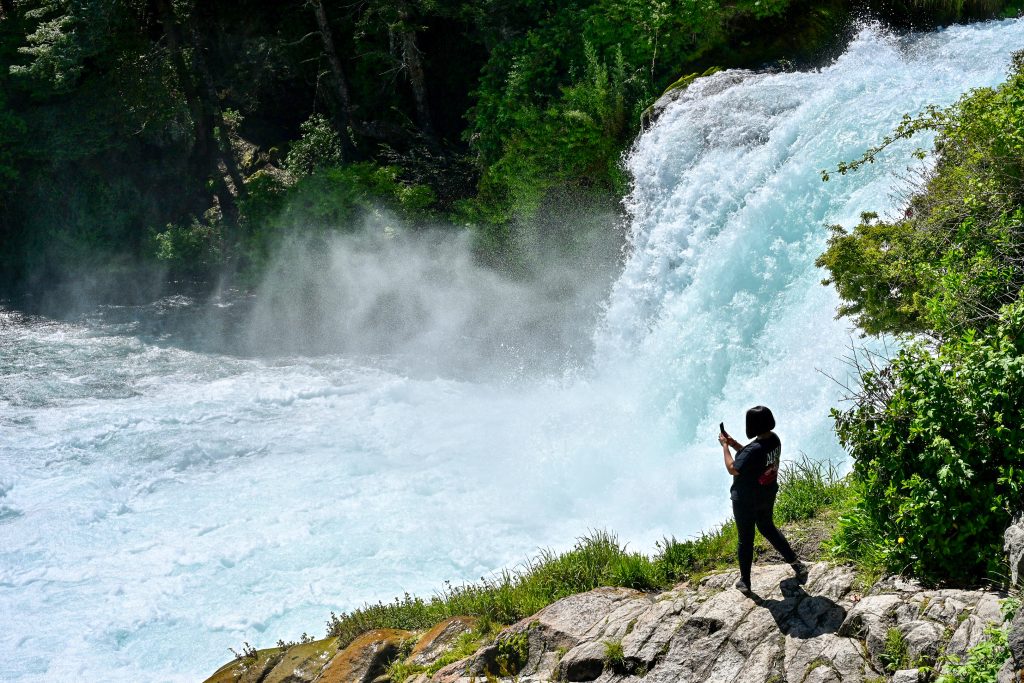
Lived-in landscapes that balance conservation with the people who live there. What a Biosphere Reserve is, and how to explore one through its trails, villages and visitor centres.
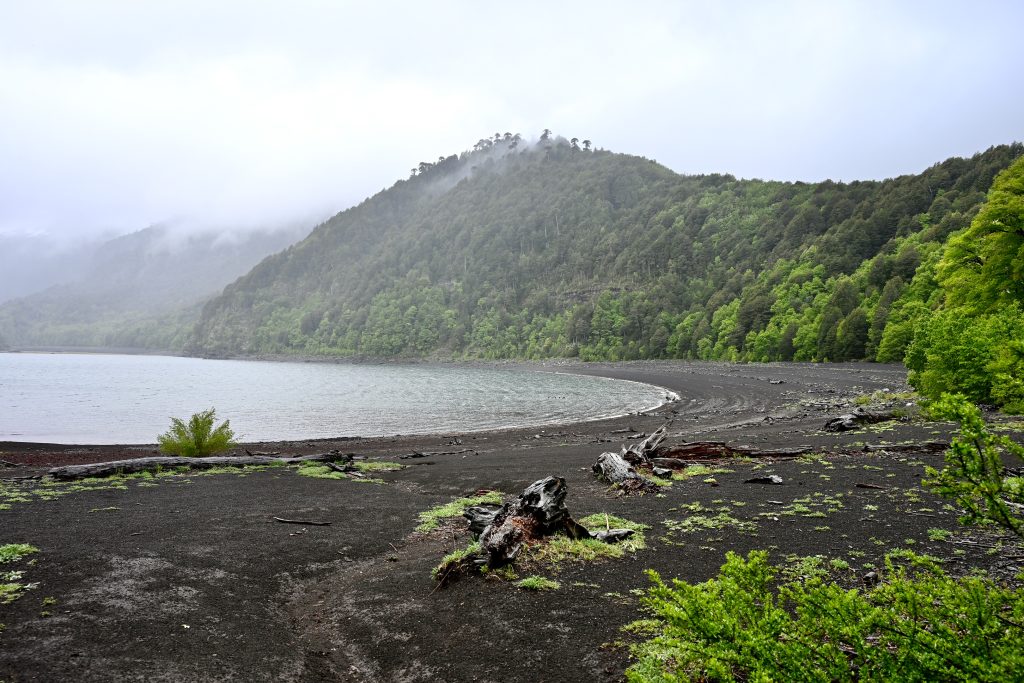
Landscapes protected for their geology and used to support education and local tourism. How Geoparks work, and how to plan a route around their geosites.
Here’s how the three compare when you’re planning a visit.
| World Heritage Sites | Biosphere Reserves | Global Geoparks | |
|---|---|---|---|
| What it protects | Outstanding universal value, cultural or natural | Biodiversity alongside sustainable living | Geological heritage |
| Typical visit | A ticketed landmark, half a day to a full day | A region of trails, villages and nature, often several days | A landscape route with geosites and visitor centres |
| How it's managed | Strict conservation, often timed entry | Zoned and community-led | Locally led, focused on education and tourism |
| What to plan | A ticket and a time slot | A base and some walks | A driving or walking route |
World Heritage Sites
Biosphere Reserves
Global Geoparks
Download our list of every UNESCO designated site
We’ve collected every UNESCO designated site into one free spreadsheet. You can filter it by designation, country and type of site, and tick off the ones you’ve already been to.
We treat a UNESCO site as one experience within a holiday and work through the same decisions every time.
What you decide here feeds straight into Stage 3 and Stage 4 of the Roadmap, because a site in shoulder season is a different experience from the same site in high summer.
Go as early as you can, travel in shoulder season and choose weekdays over weekends. It’s the most consistent advice we can give. Arriving at opening time rather than mid-afternoon can be the difference between having a place almost to yourself and queuing for the same photo as everyone else.
When we visited Chichén Itzá in Mexico, we arrived as it opened, had a two-hour guided tour and walked the grounds in relative calm, in the cool of the morning. By the time we got back to the car, coach after coach of resort day-trippers had arrived. Leaving early also gave us the rest of the day, so we added a cenote and Ek Balam. Ek Balam isn’t a World Heritage Site, but as a family we thought it was every bit as impressive.
For sites you can’t visit at a quieter time of year, early starts and weekdays make the biggest difference. We walked the Dubrovnik city walls at golden hour, and the walls in early autumn feel like a different place from the same walk in August.
Visiting responsibly matters too. Follow the site’s guidance, stay on the paths and leave nothing behind. Above all, slow down. Spending a night in Matera rather than 45 minutes changes what you take away from it. Using local guides and eating in local restaurants keeps more of the benefit with the people who live alongside the site.
And don’t assume the famous ones are the best. Matera and Lübeck gave us days as rich as anything at Europe’s best-known sites, with a fraction of the visitors.

A UNESCO site is rarely a holiday on its own, but it’s usually a very good day, or a few days, within one. How you fit it in depends on your holiday style.
These are our pillar guides to places with a UNESCO designation, or with one close by.
UK

How to get to the Giant’s Causeway, and when to go so you see the basalt columns at their best rather than behind a crowd.

The Painted Hall, the Royal Observatory and the rest of Maritime Greenwich in a day, plus how to avoid museum overload.

What to see at Kew Gardens through the year, and how to choose the best time for your visit.

Our collection of seven more recent Yorkshire landmarks, for days out a little closer to home.
Europe

Our honest review of five unplanned days in Split, with Diocletian’s Palace at the heart of the old town.

Which Polish city to put first on a trip to Poland, comparing the two side by side so you can choose the one that suits you.

How to build a winter city break in Vienna, with the historic centre at its heart.
Further afield

The itinerary and planning guide from the road trip Richard and I took through Chile’s lakes and volcanoes.

How to plan the long journey to Rapa Nui, home to one of the most remote World Heritage Sites you can actually visit.
A World Heritage Site protects a place of outstanding universal value, usually a cultural or natural landmark. A Biosphere Reserve protects a lived-in landscape where conservation and local life go together. A Global Geopark protects geological heritage and uses it for education and tourism. In practice, a World Heritage Site is often a single ticketed visit, while the other two are regions you explore.
Start with a site that is easy to reach and easy to understand, ideally in a city you would visit anyway. The historic centres of Rome, Dubrovnik or Kraków, or a garden like Kew, all work well. Pair one famous site with one quieter one on the same trip, so you see both sides of what the label means.
Sometimes, but only for a handful of remote or bucket list places, and even then we would build other things around it. Rapa Nui justified a dedicated trip for us, because it is so remote and so significant. For most sites, a UNESCO visit is the headline of a day rather than the reason for the whole holiday.
Some are excellent and others will test their patience. Open-air natural sites with room to explore usually work best, like Kew Gardens or the Giant's Causeway. For dense cultural sites, keep the visit short, go early before anyone is tired or hot, and plan a treat for afterwards.
Not if you choose well. Teenagers tend to switch off at sites that feel like a school trip and switch on at ones with a story, a film connection or something active to do. Matera was a location in the James Bond film No Time To Die, and Chichén Itzá has the story of the Mayan ball game.
The UNESCO days we remember best weren't always at the most famous places. They were the ones where we arrived early, took a guide, gave the place enough time and let it be more than a photo stop.
Work out which of the three designations you're visiting, because that tells you what kind of day to plan. Then start with our World Heritage Sites guide, or whichever of the three fits your trip.
Enjoy the early starts, they're worth it.