★★★★★ Rated 4.5 out of 5

★★★★★ Rated 4.5 out of 5
Big-city history, harbour boat trips and long summer evenings in the biergarten.
Here is when to go, how long to give it, and which city to start with.
Most first trips to Germany start in Berlin, and they should. But Germany is a country of big, very different cities, and the trips that work best pick two or three and give each one time.
We have been to Berlin twice, once as a couple and once with our teenagers, and explored it on foot, by bike, by boat and in a convoy of Trabis. We spent three nights in Hamburg with the teenagers, built around a gig in the Stadtpark, and took the train to medieval Lübeck for the day. The most useful thing Germany has taught us is that its cities are made for walking and for the trains, and that a plan should always leave room for an evening in a biergarten.
In short: The best time to visit Germany for most trips is May to September, when the days are long and the cities live outdoors. For the Christmas markets, go from late November to just before Christmas. This page covers when to go, how long to give it and where to start, beginning with Berlin, Hamburg and Lübeck.
We write about the places we have actually been, in the depth we would want if we were planning it ourselves. So far that means three of the best cities to visit in Germany, in the north of the country, and we add new places to go in Germany as we travel.

Germany’s capital and one of the best cities in Europe for history, from the Brandenburg Gate and the Reichstag dome to the line of the Berlin Wall. We have been twice, and the city rewards a slow look, whether that is a walking tour, a bike ride along the Wall or an afternoon in the Tiergarten.

Germany’s second city is a big working port that turns out to be green, relaxed and full of water, with lakes, canals, a UNESCO-listed warehouse district and fischbrötchen on the waterfront. We spent three nights here with our teenagers, and it was more fun than we expected.
Start with: Our 3 day Hamburg itinerary

The medieval Queen of the Hanseatic League, around 40 minutes from Hamburg by train, with a leaning brick gateway, wonky salt warehouses on the river and marzipan cake at Niederegger. It is the easiest day trip from Hamburg, and we wished we had stayed longer.
New places are added as we travel them. Every part of Germany we write up gets its own card and its own guides on this page, and there is plenty more of Germany still to explore. The newsletter at the bottom is the way to hear first when a new one lands.
This is the question that decides the trip. Germany has proper seasons, with cold winters and warm summers, and what changes through the year is the weather, the light, the crowds and what is on, from summer beer gardens to the Christmas markets.
For most trips, go between May and September. You get long days, warm evenings and cities that eat, drink and listen to music outside. For the Christmas markets, it has to be late November or December, when every town square fills with stalls, lights and mulled wine. Spring and autumn are quieter and often better value, as long as you pack for a cooler day or two.
We have seen Berlin and Hamburg in the warmer months, with long evenings in the biergartens, a hot afternoon driving a Trabi with the windows down and an open-air gig in Hamburg’s Stadtpark at the end of August. Northern Germany is usually a little cooler and breezier than the south, and the weather by the coast can turn grey and wet in any month, so summer is the safest bet for time outdoors.
Mar to May
Cool to begin with and lovely by May, when the parks turn green and the café tables come out. Spring is white asparagus season, and it is a quieter time for the big sights, but pack a warm layer and a waterproof.
Jun to Aug
Our pick, and when we have been. Long days, beer gardens, open-air concerts, boat trips and lakes to swim in. The cities can get hot, and German school holidays are staggered by region, so book trains and rooms early.
Sep to Nov
September is often warm and settled, with the summer crowds gone and the wine and harvest festivals in full swing. Oktoberfest in Munich starts in late September. By November the days are short and grey until the Christmas markets open.
Dec to Feb
Cold, dark afternoons and the best Christmas markets in Europe, from late November until just before Christmas. January and February are quiet and good value for museums and city breaks, but some outdoor attractions and boat trips run reduced services until spring.

The German Christmas market is the reason a lot of people visit in winter. Most open from late November and run until just before Christmas, with wooden stalls selling mulled wine, roasted nuts, gingerbread and decorations, and almost every city and town has at least one. Check the dates for your year before you book.
We have not done a German Christmas market trip yet, but we have done the Christmas markets in Vienna in neighbouring Austria, and the same rules apply. Wrap up warm, go early in the evening or midweek, and carry some cash for the stalls. Berlin and Hamburg both have big markets, including one in front of Hamburg’s Rathaus.
This is the trap in a lot of December plans. The markets are at their busiest at weekends and in the final weeks before Christmas, when hotels in the popular cities fill up and the squares are shoulder to shoulder. If you can, go in the first week or two and book your room early.
If you can pick your month, May, June or September. You get warm weather, long evenings and the biergartens without the hottest weeks of high summer. If you want the Christmas markets, go from late November to mid December and book early.
Whenever you go, pack layers and a waterproof. Summer days can be hot in the cities, and the north can turn grey and wet at short notice. Comfortable shoes matter most of all, because German cities are made for walking.
Our tip
Buy your train tickets before you get to the station. We queued for half an hour at Hamburg Hauptbahnhof for our tickets to Lübeck and nearly missed the train, and the Deutsche Bahn app or website would have taken two minutes.
Longer than you think if you want to see more than one city. Germany is a big country, and while the fast trains make the cities feel close, each one deserves at least two or three days.
The mistake is the week that tries to fit in Berlin, Munich, Cologne and a fairytale castle. On a map, the trains make it look easy, but Berlin to Munich alone takes around four hours or more by fast train, and every travel day eats into your holiday.
Our Germany trips have had one base in each city. In Berlin we got around on foot, by bike, by boat and on the U-Bahn, and in Hamburg we stayed three nights and took the train to Lübeck for the day. Our full guides are below.
The practical things we wish someone had told us.
From the UK, flying is the easy option. There are direct flights from across the UK to Berlin and Hamburg, as well as Munich, Frankfurt and other cities. If you would rather go by rail, Eurostar to Brussels and a fast train onwards gets you to western Germany in a long day.
Getting around once you are there is easy. Fast ICE trains link the big cities, and every city has good public transport, with the U-Bahn, S-Bahn, trams and buses. If you are travelling from outside the EU, check the entry rules before you book, as they are changing. It is covered in the FAQ below.
In Hamburg, the S-Bahn runs from the airport to the city centre in around 25 minutes, and a regular ticket covers the harbour ferries too. In Berlin, we walked, cycled and used the U-Bahn. Our guides cover getting around Hamburg and our Berlin walking route.
In the cities, you do not need a car. Public transport is excellent and parking is hard work. For the countryside, a car opens everything up, but know the rules before you set off.

One of us lives with a severe nut allergy, so this is something we check for every country. Germany follows EU rules, so the 14 main allergens, including peanuts, tree nuts and sesame, have to be declared on packaged food, and restaurants, cafés and bakeries must be able to tell you which allergens are in their dishes. Many menus list them as letters or numbers with a key.
Hazelnuts and almonds are everywhere in German baking, from nut cakes and gingerbread to Lübeck’s famous marzipan, and the Christmas markets are full of roasted nuts. Sesame turns up on bread rolls and pretzels. As anywhere, tell the restaurant about the allergy when you book, and carry a written card in German. Our German allergy translation cards cover peanuts, tree nuts and sesame, and work in Austria and German-speaking Switzerland too. Our allergy travel resources have more of what we have learnt.
The things worth sorting before you travel, because they sell out. We book through GetYourGuide where it makes sense.
These three were highlights of our trips. Driving the Berlin Trabi Safari in convoy past the Brandenburg Gate was the most fun we had in Berlin, the David Bowie and 1970s Berlin walking tour is a must for music fans, and in Hamburg, the one-hour harbour cruise with Barkassen-Meyer is the best way to see the port.
Not for a holiday if you hold a UK, US, Canadian or Australian passport. Germany is in the Schengen area, where visitors from those countries can stay for up to 90 days in any 180 days without a visa. The EU Entry/Exit System now records non-EU travellers’ fingerprints and photo at the border the first time they enter, so allow extra time at passport control. An ETIAS travel authorisation is also being introduced, so check the official EU travel website before you book. UK passports must be less than ten years old on the day you arrive and valid for at least three months after the day you plan to leave.
The euro, as it has since 2002, when it replaced the Deutsche Mark. Cards and contactless payments are widely accepted, but Germany is more attached to cash than most of Europe, so carry some euros for bakeries, market stalls, kiosks, Christmas markets and taxis.
Germany is on Central European Time, one hour ahead of the UK all year round, because both change their clocks on the same weekends. That puts it six hours ahead of New York and nine hours ahead of Los Angeles for most of the year. The US changes its clocks on different weekends, so for a couple of weeks in spring and autumn the gap shifts by an hour.
Yes, but modestly. Service is included in prices, and locals usually round up, or add around 5 to 10% in restaurants for good service. Tell the server the total you want to pay when they bring the bill, rather than leaving money on the table. In taxis, rounding up is fine.
16 for beer and wine, and 18 for spirits and drinks that contain them. Worth knowing if you are travelling with teenagers, as 16 and 17 year olds can order a beer in a biergarten. Younger teenagers can only drink beer or wine in public when they are with a parent.
Yes, Germany is generally a very safe country to visit. The main things to watch are pickpockets in busy stations, on public transport and at the Christmas markets, and, as in many big cities, the streets right around some main stations can feel rough late at night. Take the usual care and you are unlikely to have any trouble.

Vienna in winter, from the Christmas markets to a self-guided walk around the Old Town.

Dubrovnik’s city walls and Old Town, island boat trips along the Dalmatian coast and five days in Split.


Athens and the Acropolis, a street food tour through Psyrri and how to see the city before your cruise sets sail.
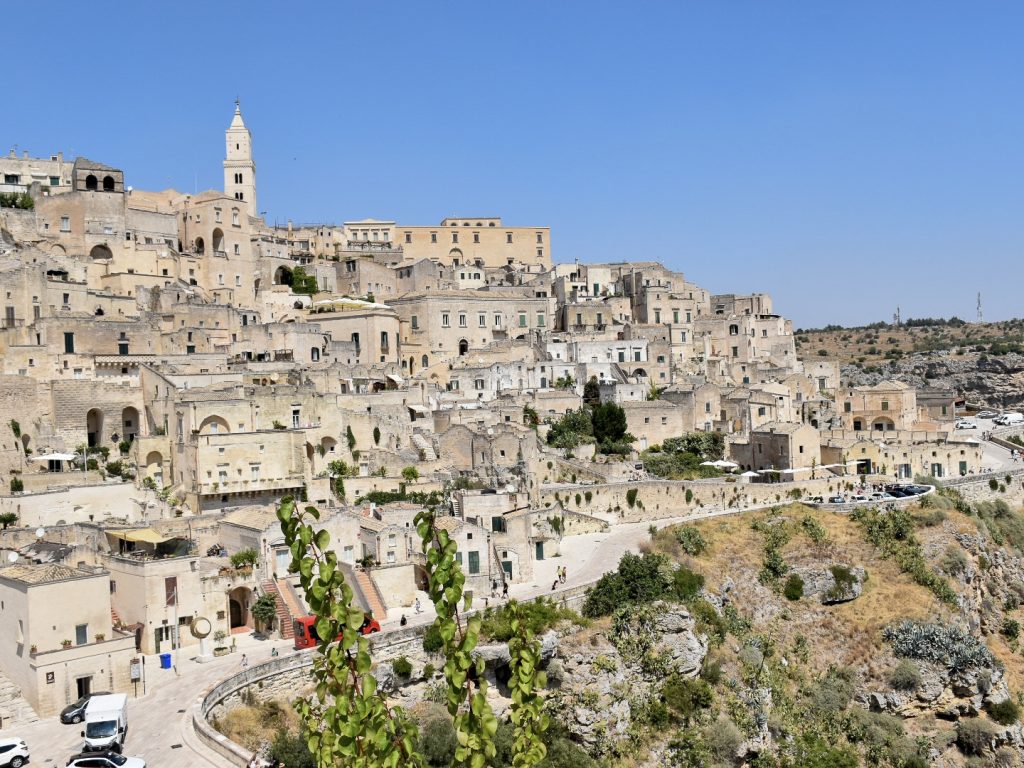
From the Colosseum and the Vatican to the canals of Venice and the trulli of Puglia.

Amsterdam with teenagers, tulip fields in bloom, windmills and the cheese market at Alkmaar.

A winter city break in Tromsø, chasing the northern lights and sailing the fjords in the snow.

Warsaw or Krakow? A city break in each, and our help deciding which one is right for you.
