★★★★★ Rated 4.5 out of 5

★★★★★ Rated 4.5 out of 5
Orange trees and tapas bars, island coves and long, warm evenings that start late and finish later.
Here is when to go, how long to give it, and where to start.
Spain is two holidays in one. There is the Spain of beaches, islands and sunshine, and the Spain of Moorish palaces, flamenco and late-night tapas, and the best trips know which one they are after.
Our Spain guides so far come from two very different trips. A week in Ibiza with our teenagers, based in a villa well away from the party towns, kayaking into sea caves at sunset and hunting for the island’s hippy side. Then four nights in Seville with friends in November, walking everywhere, eating far too much tapas and learning to make paella in Triana Market. This page is where our planning for Spain starts, and where yours can too.
In short: The best time to visit Spain for most trips is April to June or September to early November, when it is warm and sunny without the 40-degree heat of high summer inland. For the beaches and the Balearic Islands, June to September is the most reliable. This page covers when to go, how long to give it and where to start, beginning with Seville and Ibiza.
We write about the places we have actually been, in the depth we would want if we were planning it ourselves. So far that means Seville and Ibiza, two of the best places to visit in Spain for very different reasons, and we add new ones as we travel.

The White Island is far more than a party island. We spent a week here with our teenagers, based in a villa near Santa Eulària, kayaking into sea caves at sunset, browsing the hippy markets and climbing up to the walls of Dalt Vila.

Orange trees, tiled squares and some of the finest Moorish architecture in Spain, all in a city you can cross on foot. Four nights in November with friends was just right for a first visit, with the Alcázar, a flamenco show and tapas every day.

Seville is one of the places that claims to have invented tapas, and going from bar to bar with friends gave us our favourite meals of the trip, from the city’s oldest bar to the tiny tapas bars across the river in Triana.
Also try: A paella cooking class in Triana Market
New places are added as we travel them. Every part of Spain we write up gets its own card and its own guides on this page, and there is plenty more of Spain still to explore. The newsletter at the bottom is the way to hear first when a new one lands.
This is the question that decides the trip. Spain is a big country, and the right month depends on where you are going. The inland cities bake in high summer, while the islands and the coast are at their best in the warmest months.
For most trips, go from April to June or from September to early November. It is warm enough to eat outside and swim on the coast, and far more comfortable for city sightseeing than July and August. For a beach or island holiday, June to September is the most reliable. For cities like Seville, avoid high summer, when the temperature regularly climbs well above 35°C.
We went to Seville in the first week of November and had several sunny days with no coat needed, and one rainy day. Ibiza was hot enough that a swim was the only way to cool off, with the hippy markets and the Sunday sunset drumming at Cala Benirràs in full swing. That is Spain in a nutshell. The south and the inland cities are at their best outside summer, and the islands come alive in it.
Mar to May
Warm, green and full of festivals, with Semana Santa and the Feria de Abril in Seville. A lovely time for city breaks and walking, though the sea is still cool and some island businesses are only just opening for the season.
Jun to Aug
Peak season on the islands and the coast, with long, hot days, the warmest sea and the busiest beaches. Inland, Seville and much of Andalusia can top 40°C, so plan sightseeing for early morning and evening, and book flights and rooms early.
Sep to Nov
Our pick, and when we went to Seville. The sea stays warm into October, the crowds thin and the cities are comfortable for walking again. By November the island season has wound down, but Andalusia is still mild and sunny, with the odd rainy day.
Dec to Feb
Quiet and good value, with mild, sunny days in the south and oranges ripening on the trees in Seville. A good time for the cities without the crowds, but the Balearic Islands are very sleepy, with many hotels and restaurants closed until spring.

April brings warm days, orange blossom and the start of the festival season in Andalusia, with Semana Santa and the Feria de Abril often falling in the spring. Both are spectacular and very busy, so book early or plan around them. Check the dates for your year, as both move with Easter.
October is summer’s gentler cousin. The sea in the south and around the islands is still warm enough for a swim, the light is lovely and the cities have cooled down. On the Balearic Islands, the season winds down as the month goes on, and some places start to close.
November is when we went to Seville, and it worked well for us. We had several sunny days and one rainy day, which we spent indoors at Triana Market and the ceramics museum. It is a great month for a city break in the south, and less suited to the islands.
If you can pick your month, May, June, September or October. You get warm weather, a sea you can swim in and comfortable sightseeing without the July and August heat and crowds. For a city break in the south, add April and November to that list. For the Balearic Islands, stick to late May to early October, when everything is open.
Whenever you go, pack sun cream, a hat and comfortable shoes for the cobbled old town lanes. The sun is strong even in spring and autumn.
Our tip
Do as the Spanish do in the heat. See the big sights first thing, have a long lunch and a siesta in the afternoon, and head back out in the evening when the streets come alive. We did exactly that in Seville, and it made long days far easier.
It depends on how many places you try to see. Spain is the second largest country in the European Union, and the distances between its cities are bigger than they look.
The mistake is the week that tries to fit in Barcelona, Madrid, Seville and Granada. On a map it looks doable, and the trains are fast, but each city deserves at least two or three days, and every travel day eats into your holiday.
Our Spain trips have had one base each time. A villa in Ibiza with a hire car for a week, and a central hotel in Seville, where we walked everywhere for four nights. Our full guides are below.

The ready-made plan
Four days in Seville with friends, from Plaza de España and the Alcázar to a flamenco show and a tapas trail in Triana, plus ten reasons to love the city and how to get there.

The ready-made plan
Where to base yourself away from the party towns, a sunset kayak into the sea caves, an early-doors sunset in San Antonio and the hippy side of the island our teenagers loved.
The practical things we wish someone had told us.
From the UK, flying is the easy option. Spain has dozens of airports with direct flights from across the UK, including Seville, Málaga and Ibiza, and many routes are with budget airlines. Our Ryanair flight from Manchester to Ibiza was full of young adults getting into the party spirit at the back of the plane, and silent on the way home.
Getting around once you are there is easy. High-speed trains link Madrid with Seville, Córdoba, Málaga and Barcelona, and ferries run to the Balearic Islands from Barcelona, Valencia and Dénia. If you are travelling from outside the EU, check the entry rules before you book, as they are changing. It is covered in the FAQ below.
In Seville we walked everywhere from a central hotel, while in Ibiza a hire car was essential for reaching the coves, the markets and the north coast. Our guides cover getting to and around Seville and where to base yourself in Ibiza.
In the big cities, you do not need a car, and parking is hard work. On the islands and in the countryside, a car opens everything up.

One of us lives with a severe nut allergy, so this is something we check for every country. Spain follows EU rules, so the 14 main allergens, including peanuts, tree nuts and sesame, have to be declared on packaged food, and restaurants and bars must be able to tell you which allergens are in their dishes. Many menus now show allergen symbols too.
Almonds are everywhere in Spanish food, from turrón and convent biscuits to cold almond soup and nutty sauces, and pine nuts and hazelnuts turn up in Catalan cooking too. As anywhere, tell the restaurant about the allergy when you book, and carry a written card in the local language. Spanish is understood everywhere, but Catalan is also an official language in Catalonia, the Valencia region (where it is called Valencian) and the Balearic Islands, including Ibiza, so our Spanish and Catalan allergy translation cards give you both. Our allergy travel resources and guide to flying Ryanair with a nut allergy have more of what we have learnt.
The things worth sorting before you travel, because they sell out. We book through GetYourGuide where it makes sense.
These are the three we booked on our Spain trips. The sunset sea kayaking and sea caves tour from Portinatx was the perfect last night of our week in Ibiza, the Alcázar, Cathedral and Giralda skip-the-line tour made our big sightseeing day in Seville easy, and the paella and tapas cooking class in Triana Market turned a rainy last day into a cooking lesson with sangria.
Not for a holiday if you hold a UK, US, Canadian or Australian passport. Spain is in the Schengen area, where visitors from those countries can stay for up to 90 days in any 180 days without a visa. The EU Entry/Exit System now records non-EU travellers’ fingerprints and photo at the border the first time they enter, so allow extra time at passport control. An ETIAS travel authorisation is also being introduced, so check the official EU travel website before you book. UK passports must be less than ten years old on the day you arrive and valid for at least three months after the day you plan to leave.
The euro, as it has since 2002. Cards and contactless payments are accepted in most hotels, restaurants and shops, and cash machines are easy to find. Carry some cash for market stalls, beach bars and small tapas bars.
Mainland Spain and the Balearic Islands, including Ibiza, are on Central European Time, one hour ahead of the UK all year round, because both change their clocks on the same weekends. That puts them six hours ahead of New York and nine hours ahead of Los Angeles for most of the year. The Canary Islands are an hour behind the mainland, on the same time as the UK.
Tipping is not expected, but it is appreciated. Service is not usually included in the bill, and locals often just round up or leave some small change in bars. In restaurants, leaving 5 to 10% for good service is generous. In taxis, rounding up is fine.
Yes, Spain is generally a safe country to visit. The main things to watch are pickpockets in crowded tourist areas, on public transport and on busy beaches, particularly in the big cities, and the summer heat, which is the bigger risk inland. In Ibiza, the party towns get lively late at night, which is one reason we based ourselves in Santa Eulària with our teenagers.
In some places. The Balearic Islands, including Ibiza, charge a sustainable tourism tax on most paid overnight stays, and Catalonia, including Barcelona, has its own tourist tax. Other regions and cities have been introducing or debating their own, so check the latest rules when you book. It is usually paid at the hotel.

Vienna in winter, from the Christmas markets to a self-guided walk around the Old Town.

Dubrovnik’s city walls and Old Town, island boat trips along the Dalmatian coast and five days in Split.


Berlin’s Wall and Bowie’s old haunts, a Hamburg city break and a day trip to medieval Lübeck.

Athens and the Acropolis, a street food tour through Psyrri and how to see the city before your cruise sets sail.
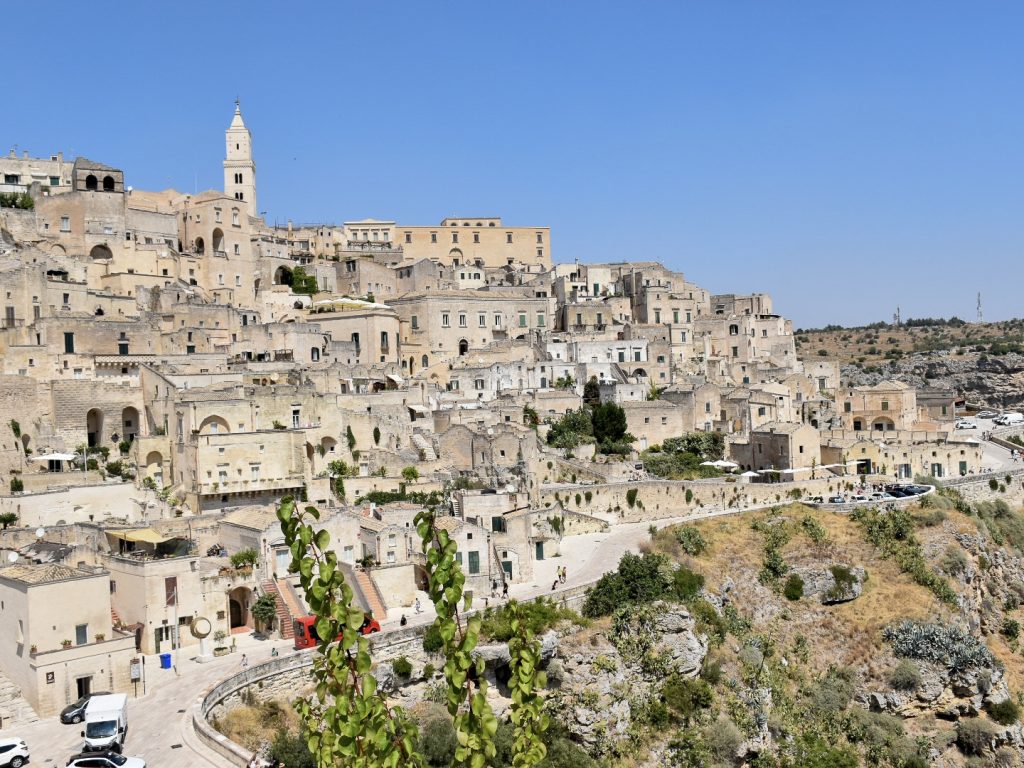
From the Colosseum and the Vatican to the canals of Venice and the trulli of Puglia.

Amsterdam with teenagers, tulip fields in bloom, windmills and the cheese market at Alkmaar.

A winter city break in Tromsø, chasing the northern lights and sailing the fjords in the snow.

Warsaw or Krakow? A city break in each, and our help deciding which one is right for you.