★★★★★ Rated 4.5 out of 5

★★★★★ Rated 4.5 out of 5
Ancient temples, thousands of islands and long, hot summers that run well into autumn.
Here is when to go, how long to give it, and where to start.
Most people treat Athens as a night on the way to the islands or the cruise ship. We nearly did the same, and it would have been a mistake.
We went to Athens for the first time as a couple at the start of September, for our wedding anniversary, and found a city far easier to explore than its sprawl suggests. We climbed the Acropolis with a guide first thing in the morning, ate our way round Psyrri on a street food tour and watched one of our favourite bands play under the stars on Lycabettus Hill. Greece is a big country with thousands of islands, and this page is where our planning for it starts, and where yours can too.
In short: The best time to visit Greece for most trips is late May to mid-June or September to October, when it is warm enough for the sea but cooler than the 40-degree heat of high summer. This page covers when to go, how long to give it and where to start, beginning with Athens.
We write about the places we have actually been, in the depth we would want if we were planning it ourselves. For us, Greece starts in Athens, and we add new places as we travel.

A sprawling capital with its headline sights packed into a walkable centre, and the Parthenon looking down on you from almost every street and rooftop bar. Give it two days of its own rather than a night on the way somewhere else.

The reason most people come to Athens, and the one sight that really rewards planning. The museum and the hill in the right order, which way up, and an early start before the heat and the crowds build.
Also try: The rest of central Athens on foot

The port of Athens is where a huge number of Mediterranean cruises begin and end, and our hotel was full of guests on their way to a ship. We did not sail ourselves, but we have planned how to see the city before you board.
Also try: Getting from Athens to Piraeus
New places are added as we travel them. Every part of Greece we write up gets its own card and its own guides on this page, and the islands are the obvious next step. The newsletter at the bottom is the way to hear first when a new one lands.
This is the question that decides the trip. Greece is hot and dry in summer and mild and wetter in winter, and what changes with the seasons is the heat, the crowds, the sea temperature and how many island ferries and hotels are open.
For most trips, go from late May to mid-June, or in September and October. It is warm, the sea is good for swimming and the ancient sites are far more comfortable to walk round than in July and August. For a city break in Athens, spring and autumn win outright, because the big sights are exposed hilltops and marble with very little shade.
We went to Athens at the start of September, when it was still 33 degrees. Hot, but a relief after the 40 degrees the city had sat in through July and August. Even then we needed sun hats, sun cream and a bottle of water each, because the Acropolis and the Panathenaic Stadium are out in the open with nowhere to hide.
Mar to May
Wildflowers on the hillsides, comfortable sightseeing weather and fewer people at the big sites. The sea is still cool in April, and some island hotels and ferry routes are only just starting up for the season.
Jun to Aug
Peak season, with the hottest days, the busiest sites and the highest prices on the islands. Athens can top 40 degrees in a heatwave, when the Acropolis may close in the hottest part of the day, so plan sightseeing for early morning.
Sep to Oct
Our pick, and when we went. The sea is at its warmest, the schools are back and the evenings are still warm enough to eat outside. By late October, some island businesses start to close for the winter.
Nov to Feb
Quiet, cheaper and green, with mild days in Athens and the museums almost to yourself. It is the wettest time of year, island ferries run a reduced timetable and many island hotels close until spring, so winter suits a city break best.

These three months are the sweet spot, and each has a slightly different character. May brings long, warm days, green hillsides and quieter sites, though the sea is refreshing rather than warm, especially early in the month.
September is summer without the worst of the heat. The sea has had all summer to warm up, families have gone home and the islands are still in full swing. It is still hot in the cities, as we found in Athens, so the sightseeing is best done early.
October is the gentlest of the three. Days are warm rather than hot and the light is lovely, but the island season winds down as the month goes on, with fewer ferries and some places closing. It is a great month for Athens and the mainland, and a bit more of a gamble for the smaller islands.
If you can pick your month, late May, June or September. You get the warm sea, comfortable sightseeing and long evenings without the peak summer heat and crowds. If Athens is the main event, add April and October to that list.
Whenever you go, pack a sun hat, sunglasses and proper sun cream, even in autumn, and carry water. The sights that matter most in Greece tend to sit on exposed hilltops, and the marble reflects the heat straight back at you.
Our tip
Do your sightseeing in the morning and keep the afternoon for something slower. We saw the big sights early, retreated to the hotel rooftop pool when the heat peaked, and went back out once the evening cooled down.
Longer than you think, because the distances between the islands are big and the ferries set the pace. Athens is the easy part. Most trips start there, and it deserves more than the single night most people give it.
The mistake is the week that tries to fit in Athens, Santorini, Mykonos and Crete. On a map the islands look close together, but crossings between island groups can take hours, sailings change with the season and the weather, and a missed connection can cost you a day.
Our Athens trip was a short stay as a couple, and what surprised us most was how close together the main sights are. We walked almost everywhere and flagged down a taxi when the heat got too much. Our full guides are below.
The practical things we wish someone had told us.
Athens is the gateway for most trips. Athens International Airport has direct flights from across the UK and Europe and, in season, from North America, and it is the hub for onward flights to the islands. The Metro runs from the airport into the city centre, and taxis wait at the official rank outside arrivals.
For the islands, ferries leave from Piraeus and Rafina, the two main ports near Athens, and many islands have their own airports too. Book ferries ahead in summer. Piraeus is also where most cruises start and finish, which is why Athens is so full of people with suitcases on their way to a ship.
We landed at half past one in the morning and took a taxi straight to our hotel, which took about 35 minutes. We had prebooked it, but there were plenty of taxis waiting at the rank, so we needn’t have worried. Our first timer’s guide to Athens covers the airport and Piraeus transfers in more detail.
In Athens you do not need a car. We walked almost everywhere and were very glad not to be driving, because the streets around our hotel were steep, narrow and full of tight corners. Beyond the city, a car opens up the mainland and the bigger islands.

One of us lives with a severe nut allergy, so this is something we check for every country. Greece follows EU rules, so the 14 main allergens, including peanuts, tree nuts and sesame, have to be declared on packaged food, and restaurants and cafés must be able to tell you which allergens are in their dishes.
Nuts and sesame turn up a lot in Greek food, from walnut and pistachio pastries like baklava to sesame-crusted bread rings, tahini and halva. The pistachio loukoumades we loved on our street food tour are a good example. As anywhere, tell the restaurant about the allergy when you book, and carry a written card in Greek. Our allergy translation cards and has more of what we have learnt, as well as free downloadable cards.
The things worth sorting before you travel, because they sell out. We book through GetYourGuide where it makes sense.
These are the three we booked for our Athens trip. The Acropolis and Parthenon guided walking tour took us up the hill with an expert first thing in the morning, the Acropolis Museum ticket with optional audio guide meant we walked straight in the day before, and the Athens street food tasting tour turned out to be the highlight of the whole trip.
Not for a holiday if you hold a UK, US, Canadian or Australian passport. Greece is in the Schengen area, where visitors from those countries can stay for up to 90 days in any 180 days without a visa. The EU Entry/Exit System now records non-EU travellers’ fingerprints and photo at the border the first time they enter, so allow extra time at passport control. An ETIAS travel authorisation is also being introduced, so check the official EU travel website before you book. Your passport should be valid for at least three months beyond the day you plan to leave.
The euro, as it has since 2002. Cards and contactless payments are accepted in most hotels, restaurants and shops in Athens, and cash machines are easy to find. Carry some cash for kiosks, small tavernas, taxis and the islands, where card machines can be less reliable.
Less than you might think. We found Athens noticeably cheaper than most European capitals, especially for eating out. The islands are a different story in July and August, when the most popular ones, such as Santorini and Mykonos, can be very expensive places to stay. Travelling in spring or autumn, eating where the locals eat and staying a few streets back from the big sights all make a difference.
Yes, Greece is generally a safe country to visit. The main things to watch are pickpockets in crowded tourist areas and on the Athens Metro, especially around Monastiraki at night, and the heat, which is the bigger risk in summer. On the islands, take care on the roads, particularly on scooters and quad bikes, and check the local advice on wildfires in high summer.
Tipping is not compulsory, but it is appreciated. In restaurants, leaving around 10% for good service is normal, and rounding up the bill is fine in cafés and taxis. Service is not usually included in the bill, so check before you add anything.
Greece is two hours ahead of the UK all year round, because both change their clocks on the same weekends. That puts it seven hours ahead of New York and ten hours ahead of Los Angeles for most of the year. The US changes its clocks on different weekends from Europe, so for a couple of weeks in spring and autumn the gap shifts by an hour. Check the exact difference for your dates.

Vienna in winter, from the Christmas markets to a self-guided walk around the Old Town.

Dubrovnik’s city walls and Old Town, island boat trips along the Dalmatian coast and five days in Split.


Berlin’s Wall and Bowie’s old haunts, a Hamburg city break and a day trip to medieval Lübeck.
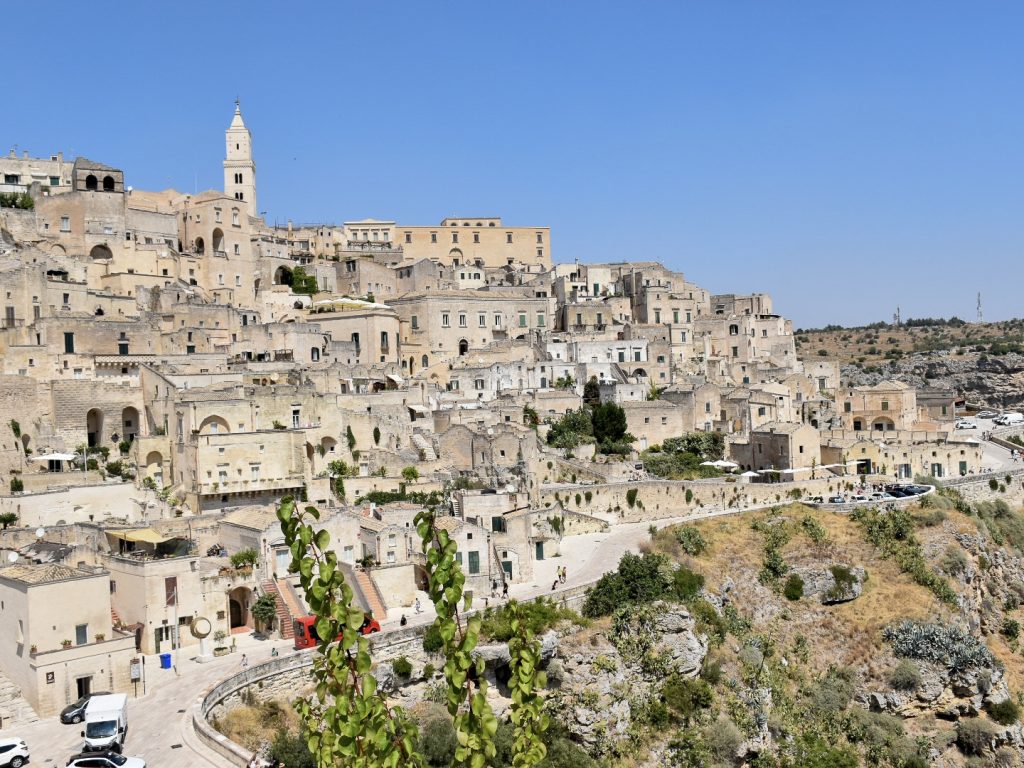
From the Colosseum and the Vatican to the canals of Venice and the trulli of Puglia.

Amsterdam with teenagers, tulip fields in bloom, windmills and the cheese market at Alkmaar.

A winter city break in Tromsø, chasing the northern lights and sailing the fjords in the snow.

Warsaw or Krakow? A city break in each, and our help deciding which one is right for you.
