★★★★★ Rated 4.5 out of 5

★★★★★ Rated 4.5 out of 5
Canals, castles, Christmas markets and Mediterranean islands, sorted region by region. Here is where to go in Europe, when to visit and how long you need.
Europe is close enough for a long weekend and big enough to keep you exploring for a lifetime, with nearly 50 countries packed into a continent you can cross by train.
It runs from the chilly Arctic Ocean in the north to the warm Mediterranean Sea in the south, with the wild Atlantic to the west and Asia to the east. You could watch for the Northern Lights over Tromsø, walk the city walls of Dubrovnik, climb up to the Acropolis in Athens, hop between the tapas bars of Seville or wrap up warm for the Christmas markets in Vienna. Distances are short and the trains are good, so it is easy to fit two or three countries into one trip.
Europe is home to the world’s smallest country, Vatican City, and the world’s most visited art museum, the Louvre in Paris. With so much to choose from, it helps to think in regions. Western, Southern, Eastern, Northern and Central Europe each have their own character, climate and pace, and knowing which one suits you is the quickest way to start planning. And yes, the UK is part of Europe too, so you will find it here alongside the rest.
In short: The best places to visit in Europe depend on the trip you want. Southern Europe is sunshine, islands and ancient history, Western Europe is cities and canals, Eastern Europe is old towns and good value, Northern Europe is fjords and the Northern Lights, and Central Europe is palaces, the Alps and Christmas markets. Pick a region, then choose a country.
There is no single official way to divide up Europe, and you will see some countries listed in more than one region, depending on who is drawing the map. The United Nations splits the continent into four regions, Northern, Western, Southern and Eastern Europe, and many people add Central Europe as a fifth, for the countries in the middle that sit between east and west.
We use all five, and this page follows them in turn, so you can find the best places to visit in Europe for the kind of trip you have in mind. Where a country could sit in two regions, we have put it in the one that best describes a holiday there.
| Region | Countries | What it is like |
|---|---|---|
| Western Europe | France, Germany, Belgium, the Netherlands, Luxembourg, Switzerland, Austria, Liechtenstein and Monaco, often with the UK and Ireland | Great cities, river valleys, canals and fast trains between capitals |
| Southern Europe | Spain, Portugal, Italy, Greece, Malta, Cyprus, Vatican City, San Marino, Andorra and much of the Balkans | Hot, dry summers, islands and beaches, and the ruins of the ancient world |
| Eastern Europe | Poland, the Czech Republic, Slovakia, Hungary, Romania, Bulgaria, Moldova, Ukraine, Belarus and European Russia | Medieval old towns, forests and plains, and Slavic and Orthodox traditions |
| Northern Europe | Denmark, Sweden, Norway, Finland, Iceland, Estonia, Latvia and Lithuania, often with the UK and Ireland | Fjords, glaciers, long summer days and the Northern Lights |
| Central Europe | Germany, Poland, the Czech Republic, Slovakia, Hungary, Austria, Switzerland and Slovenia | The Alps, the Danube, grand palaces and Christmas markets |

Some groupings cut across the main regions. They are handy shorthand when you are planning a trip, and you will see them on maps, rail passes and tour itineraries.
The Balkans: Albania, Bosnia and Herzegovina, Croatia, Serbia, Montenegro, North Macedonia and Kosovo, plus parts of Greece and Turkey. Mountains, a long Adriatic coast and a real mix of cultures.
The British Isles: The UK and Ireland. It is a geographical term rather than a political one, as Ireland is an independent country.
The Low Countries: Belgium, the Netherlands and Luxembourg, also known as Benelux. Flat, compact and easy to see by train or by bike.
The Baltic Rim: The countries around the Baltic Sea, Denmark, Estonia, Finland, Germany, Latvia, Lithuania, Poland and Sweden. Estonia, Latvia and Lithuania on their own are known as the Baltic states.
Western Europe is the busy heart of the continent, with great cities, river valleys and some of the fastest trains in the world linking the capitals. Paris, Brussels and Amsterdam are only a few hours apart by rail, so it is easy to combine two or three countries in one trip. Expect world-class museums, café culture and a good chance of rain, whatever the season.

Canals and gabled houses in Amsterdam, bold modern architecture in Rotterdam, and windmills, tulip fields, cheese and the Dutch Masters in between. The Netherlands is flat, compact and made for exploring by train and by bike.

The history of Berlin, from the Wall to the Bowie years, the harbour and canals of Hamburg and the old Hanseatic town of Lübeck. Every German city has its own personality and traditions, and in December, its own Christmas market.
Southern Europe is where most of us head for sunshine. It is shaped by three great peninsulas, the Iberian, the Italian and the Balkan, with hot, dry summers, mild winters and thousands of islands scattered across the Mediterranean. It is also where you will find the ruins of ancient Greece and Rome, long lunches in the shade and some of the best food in the world. Spring and autumn are the sweet spots, warm enough for the beach without the heat and crowds of high summer.

Roman ruins and Renaissance art in Rome, the canals of Venice and the islands of Murano and Burano, and the whitewashed hill towns of Puglia. Italy is sunshine, regional food and a sense of style wherever you go.

Orange trees, tapas bars and flamenco in Seville, and the old town and hippy markets of Ibiza, which is about far more than the clubs. Every region of Spain feels different, from the mountains to the islands.

The Acropolis and the ancient sites of Athens, then the port of Piraeus and the islands beyond. Greece is white villages, blue domes and long, hot summers that run well into autumn.

The walled city of Dubrovnik, Diocletian’s Palace in Split and the rivers and waterfalls around Zadar. Croatia’s long Adriatic coast is made for island hopping, with clear water, pine trees and glorious sunsets.
Eastern Europe stretches from Poland across vast plains to the Ural Mountains, and it is the part of the continent that has changed the most in living memory. Its history was shaped by the Eastern Bloc and the Iron Curtain, and its culture by Slavic and Orthodox traditions, which you will see in its churches, food and festivals. Colourful old towns, forests, hearty food and lower prices than much of the west make it a great choice for a city break. Always check the latest government travel advice before you book, especially further east.
Georgia, in the Caucasus Mountains, sits on the border of Europe and Asia, so we include it here as well as on our Asia page.

The rebuilt Old Town of Warsaw, the medieval market square of Kraków and the salt mine at Wieliczka. Poland is a year-round destination, with days by the Vistula in summer and markets, cosy cafés and hearty food in winter. And let’s not forget the vodka!

Make khinkali dumplings and soak in a sulphur bath in Tbilisi, ride the cable car up to the fortress, then drive the Georgian Military Highway into the mountains. Finish with wine tasting in one of the oldest wine-making regions in the world.
Northern Europe is the land of fjords, glaciers and long summer days, from the Nordic countries of Denmark, Norway, Sweden, Finland and Iceland to the Baltic states of Estonia, Latvia and Lithuania. In winter, the Arctic north is one of the best places in the world to see the Northern Lights, and in summer the sun barely sets. The UK and Ireland are often counted here too. It is not a cheap part of the world, but the landscapes make up for it.

Mountains, fjords and fishing cabins on stilts, sprinkled with snow in winter and lit by the Midnight Sun in summer. Our Norway guides start in Tromsø, high in the Arctic, on a winter city break to see the Northern Lights.
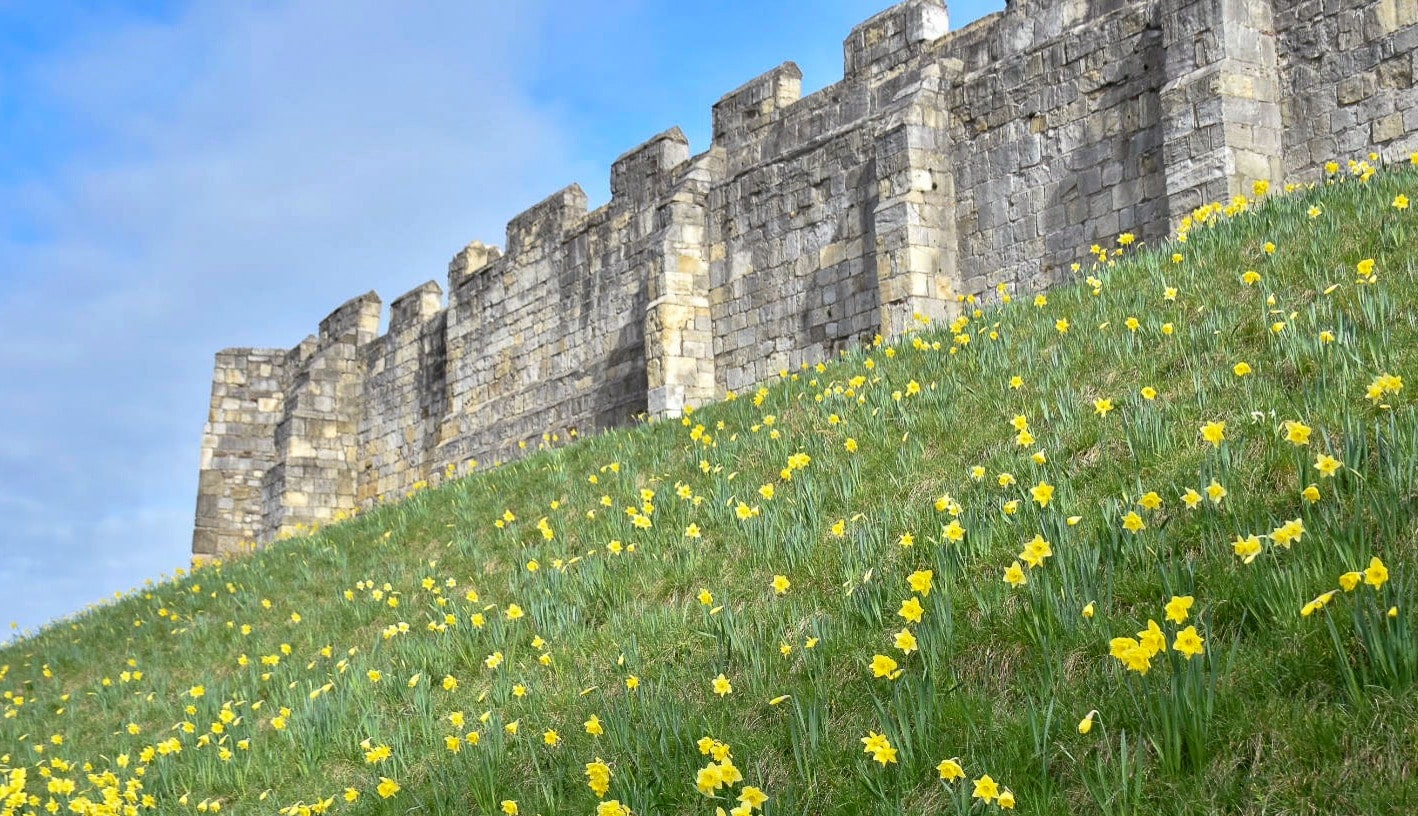
England, Scotland and Northern Ireland, from the moors and dales of Yorkshire and the oyster coast of Kent to the whisky island of Islay and the Giant’s Causeway. Home for us, and the part of Europe we have written about most.
Central Europe is the crossroads of the continent, where western and eastern traditions meet. It takes in the Alps of Switzerland and Austria, the Danube flowing through Vienna and Budapest, and the old towns of Prague and Kraków, and Germany and Poland are usually counted here too. This is the heartland of coffee houses, grand palaces and Christmas markets, and it is easy to link several capitals by train.

Vienna’s coffee houses, Habsburg palaces and art galleries, the River Danube and some of the best Christmas markets in Europe. Beyond the capital, Austria is Alpine villages, lakes and mountains, all without a coastline.
Everything you need to start planning a trip to Europe, from the best time to go to how long you need, how to get around and what it costs. Each country guide goes into more detail.
For most trips, late spring and early autumn. May, June and September bring warm weather, long days and fewer crowds than July and August, when much of Southern Europe is hot and busy and many Europeans take their own holidays. Spring and autumn are also the best seasons for city breaks and walking.
Winter has its own rewards. December is Christmas market season across Central Europe, the Alps are covered in snow, and the far north is dark enough for the Northern Lights. The Mediterranean stays mild, but some island hotels and ferries close or run fewer services out of season, so check before you go.
| Region | Best time to go | Good for | Where our guides start |
|---|---|---|---|
| Western Europe | April to June and September | City breaks, museums and canals | Amsterdam, Rotterdam, Berlin and Hamburg |
| Southern Europe | April to June and September to October | Beaches, islands, history and food | Rome, Venice, Seville, Athens and Dubrovnik |
| Eastern Europe | May to September, and December | Old towns, history and good value city breaks | Warsaw, Kraków and Tbilisi |
| Northern Europe | June to August, or winter for the Northern Lights | Fjords, the Midnight Sun and the Northern Lights | Tromsø and the UK |
| Central Europe | May to September, and December | Palaces, the Alps and Christmas markets | Vienna |
A long weekend is enough for one city, and many of Europe’s capitals are a short flight from the UK. A week lets you settle into one region, or combine two cities linked by a fast train, such as Warsaw and Kraków. With two weeks or more you can travel across several countries, but try not to change base every night. Two or three stops in a fortnight is plenty, and it leaves time to enjoy each one.
Europe is one of the easiest places in the world to travel by train, with fast, frequent services between most big cities and sleeper trains on some longer routes. From London, the Eurostar puts Paris, Brussels and Amsterdam within a few hours. Budget airlines fill the gaps, and ferries link the islands of the Mediterranean.
By train: The most relaxing way to travel between cities, from one city centre to the next. Book ahead for the best fares, and look at a rail pass if you plan to make lots of journeys.
By plane: Quick and often cheap for longer hops, but add the time it takes to get to and from the airport, and check the baggage allowance before you book.
By car: Best for the countryside, the Alps and the islands. Some countries need a toll sticker or vignette for their motorways, and many cities have low emission zones, so check the rules before you drive.
By ferry: The way to island hop in Greece and Croatia, and to cross from the UK to France, Spain, the Netherlands and Ireland.
It depends hugely on where you go. Scandinavia, Switzerland and the big Western European capitals are some of the most expensive places to visit in the world, while much of Eastern Europe and the Balkans costs noticeably less than the UK. Wherever you are, travelling outside the school holidays, booking trains early and eating your main meal at lunchtime, when many restaurants offer a set menu, all help your budget go further.
Most countries in the European Union use the euro, but plenty of others keep their own currency, including the UK, Switzerland, Norway, Sweden, Denmark, Poland, the Czech Republic and Hungary. Cards and contactless are widely accepted, though it is worth carrying a little cash for markets and small cafés.
Most of the EU, plus a few countries outside it, sit in the Schengen area, with no passport checks at the borders between them. Visitors from outside the EU, including from the UK, now have their fingerprints and photo taken the first time they enter under the EU Entry/Exit System, and an ETIAS travel authorisation is also being introduced. Check the official EU travel website, and the rules for your passport, before you book.
Food is one of the best reasons to travel in Europe, from tapas in Seville and pasta in Rome to pierogi in Kraków and khinkali in Tbilisi. Tap water is safe to drink in most of Western and Northern Europe, but ask locally elsewhere.
One of us lives with a severe nut allergy, so we plan every trip around food. Across the EU, the 14 main allergens must be declared on packaged food, and restaurants must be able to tell you which ones are in a dish, but language is still the biggest hurdle. Our allergy translation cards help explain an allergy wherever English is not the first language.
Let the train do the work. Pick two or three cities linked by fast trains, stay a few nights in each, and you will see far more of Europe than you would by dashing between airports. Then save the rest for next time, because there is always a next time.

It depends on who is counting, but most lists give 44 countries, from Vatican City, the smallest country in the world, to Russia, which stretches across both Europe and Asia. Some lists also include countries that sit partly or wholly on the edge of Asia, such as Turkey, Georgia, Armenia, Azerbaijan, Kazakhstan and Cyprus, which takes the total closer to 50.
Europe is usually divided into Western, Southern, Eastern and Northern Europe, and many people add Central Europe as a fifth region. There is no single official list, so some countries appear in more than one. Germany and Austria, for example, are counted as both Western and Central Europe.
Georgia sits on the border of Europe and Asia, in the Caucasus Mountains between the Black Sea and the Caspian Sea, so it is usually described as a transcontinental country. It is a member of the Council of Europe and feels European in many ways, which is why you will find it on this page as well as on our Asia page.
May, June and September for most trips, when the weather is warm and the summer crowds have either not yet arrived or have gone home. December is best for Christmas markets, and the winter months are the time to see the Northern Lights in the far north.
By train, for most trips. Fast, frequent trains link most big cities from centre to centre, and the journey is part of the fun. Budget flights are quicker over long distances, a car is best for the countryside and the Alps, and ferries are the way to island hop in the Mediterranean.
Not for a holiday if you hold a UK, US, Canadian or Australian passport. Visitors from those countries can usually stay in the Schengen area for up to 90 days in any 180 without a visa. The EU Entry/Exit System now registers non-EU travellers at the border, and an ETIAS travel authorisation is being introduced, so check the official EU travel website and the rules for your passport before you book. Countries outside Schengen, such as the UK, Ireland and Georgia, set their own rules.
Most countries in the European Union use the euro, along with a few outside it, such as Montenegro and Kosovo. Plenty of others keep their own currency, including the UK, Switzerland, Norway, Sweden, Denmark, Poland, the Czech Republic and Hungary. Cards and contactless are widely accepted, but carry a little cash for markets and small cafés.