
The best holidays are remembered for what happened on the trips, not all the planning around the edges. However, without the planning, you’ll never have the experiences that make it worth going. From the night you saw the Northern Lights in all their glory, to the day you stood inside the Colosseum imagining the Gladiators fighting, or the morning you watched orcas surface from a boat on the ocean. These are the moments that will stay with you forever.
According to the ABTA Holiday Habits 2025-26 Report, travel maintained its position as the engine of the UK ‘experience economy’, with 65 per cent of people describing their holiday as the most important time of the year and 80 per cent saying it is important for their mental health.

The best holidays are remembered for what happened on the trips, not all the planning around the edges. However, without the planning, you’ll never have the experiences that make it worth going. From the night you saw the Northern Lights in all their glory, to the day you stood inside the Colosseum imagining the Gladiators fighting, or the morning you watched orcas surface from a boat on the ocean. These are the moments that will stay with you forever.
According to the ABTA Holiday Habits 2025-26 Report, travel maintained its position as the engine of the UK ‘experience economy’, with 65 per cent of people describing their holiday as the most important time of the year and 80 per cent saying it is important for their mental health.
This page sits at Stage 2 of the Love Travel Planning Platinum Roadmap, Defining the What. It’s the experience-focused half of Stage 2, sitting alongside our holiday types guide which covers the structural shape of a trip. Together, they help you decide both what kind of holiday you want and what you actually want to do with your time on holiday.
When it comes to Love Travel Planning, we are an independent and immersive travel blog. We do not do organised holidays where every minute is scheduled. We prefer choosing experiences ourselves, without a travel agent or sponsorships. If a fully organised activity package suits you better, that is fine. There are plenty of travel agent blogs that specialise in that style. Everything here is written from the perspective of independent, experience-led travel.
Before we get into coastal adventures, we should be honest about something. At Love Travel Planning we don’t tend to do all-inclusive resorts, or book via a travel agency. We prefer to put trips together ourselves and plan the exact coastal holidays that we want. We find this gives us more independence and a more immersive experience. We can choose where to eat each evening, find the quieter corners that the brochures don’t mention, and feel genuinely connected to a place rather than sealed off from it in a resort.
However, if all-inclusives are your thing, that’s absolutely fine, they can work brilliantly for some families and trips, if that’s your preference. There’s plenty of excellent content out there written by people who love that style of travel; just not on Love Travel Planning..
We’ve planned a lot of coastal holidays as a family over the years, chasing winter sun in Mexico, warm summers in Spain and Croatia, and plenty of UK staycations in between. This guide is built from that experience, not from a press trip itinerary.
Beach holidays remain the most popular type of trip taken by UK travellers, with 48% having taken one in the past year, narrowly ahead of city breaks at 47% (ABTA Holiday Habits 2025-26 Report).
Experiences and types are two considerations of the same Stage 2 decision. They work together but answer different questions.
A holiday type is the structural shape of the trip. How you move, where you sleep, how the days are organised. A road trip and a coastal holiday are different types because they have fundamentally different rhythms.
An experience is what you do within that structure. UNESCO sites, watersports, cycling, wildlife, walking, food and wine, bucket list moments. Most trips include several experiences regardless of type, and most experiences can be slotted into more than one type of holiday.
The relationship is best understood through examples. You might cycle on a city break (Amsterdam), see wildlife on a road trip (the Australian east coast), try watersports on a coastal week (Cornwall), or walk between UNESCO sites on a slower European trip. The experience is the action – the type is the platform. Actively picking both is what makes a trip feel coherent rather than scattered.
For the structural side of this decision:
Here are the seven experience categories we cover at Love Travel Planning. Each links to a dedicated guide with the full detail, including where to do it, when to do it, what it costs and how to plan it.

The big, once-in-a-lifetime moments that can anchor an entire holiday. Watching the Northern Lights, standing on the rim of the Grand Canyon, swimming with whale sharks, seeing the sun rise over Angkor Wat. Bucket list experiences often need more planning than other experiences because they may involve seasonal timing, advance booking and long-haul travel. They also need realistic expectations, because the experience itself is rarely identical to the photographs which drew you to it.

The world’s protected cultural and natural landmarks, ranging from ancient cities to dramatic fjord landscapes. UNESCO experiences pair particularly well with city breaks, road trips and slower travel. Many UNESCO sites require advance booking and timed entry tickets, particularly the most-visited ones in Europe and Asia. Building a trip around two or three UNESCO sites within a region is one of the most rewarding ways to structure a culture-led holiday.
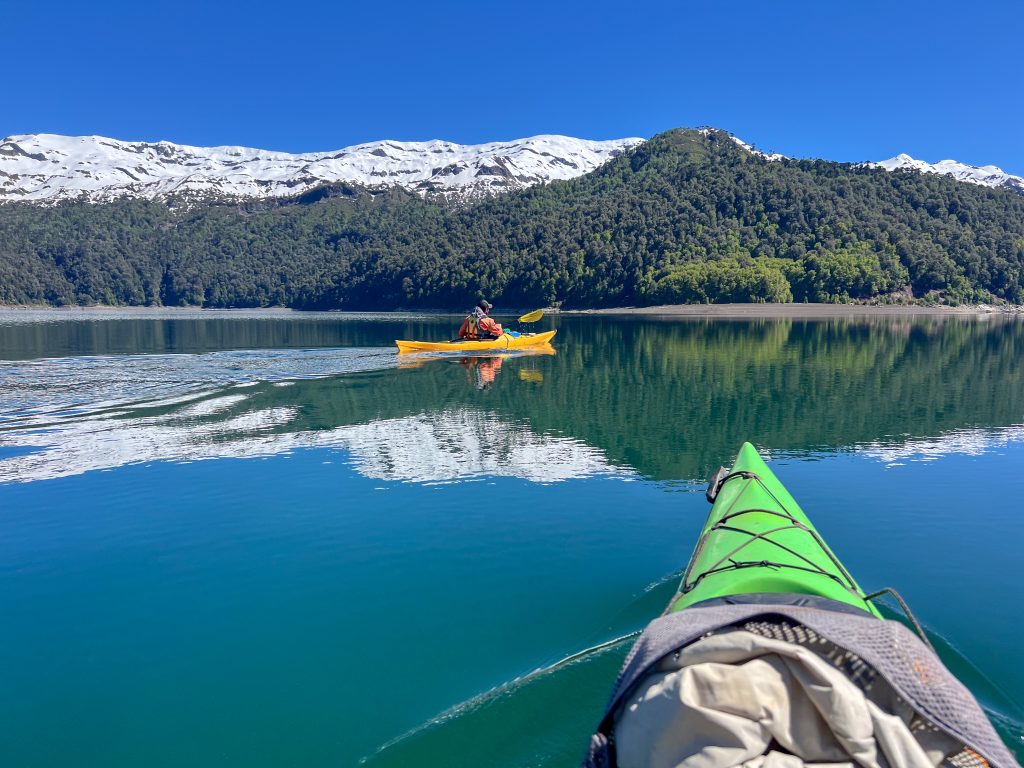
Active experiences in or on the water, from gentle paddleboarding to coasteering, surfing, sea kayaking, snorkelling and sailing. Watersports experiences are most often paired with coastal holidays, but also work brilliantly on city breaks where the city sits on water (Stockholm, Sydney, Hamburg, Ibiza) and on road trips with coastal stretches. Travel insurance considerations matter more for watersports than for most experience types, since a standard policy may not cover all activities.

Experiences built around the bike, whether that be a dedicated cycling holiday on a long-distance route, a self-guided day on a city’s cycle network, or a guided tour through a wine region. Cycling pairs particularly well with the Netherlands, Denmark, parts of France and Germany, and city breaks where the city is properly cycle-friendly. The format suits a wide range of fitness levels because route choice scales with ability.
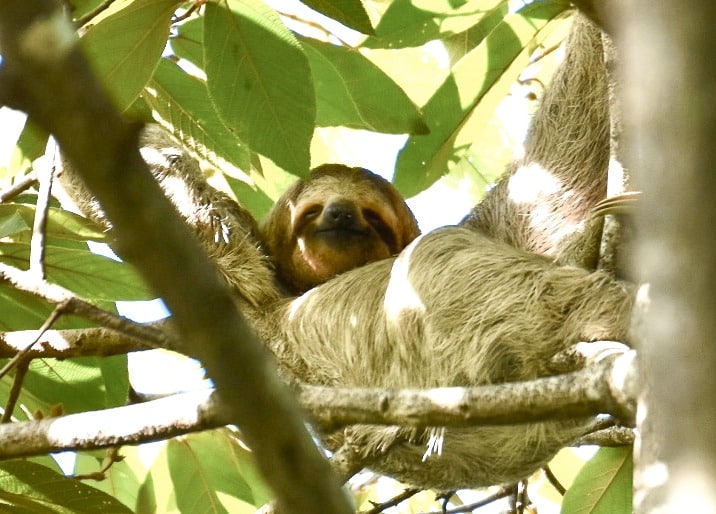
Experiences planned around seeing animals in their natural environment. Whale watching, safari, turtle nesting, bird migrations, marine life. Wildlife experiences are the most season-dependent of all the categories, since most species have specific times of year when they are visible or active. They also reward verified eco-tourism operators with research-led practices. Done well, wildlife experiences become the anchor that the rest of the trip is built around.

Experiences built around walking, from long-distance trails to gentle coastal paths to urban architecture walks. Walking is the most accessible experience type and pairs with almost every holiday format. The UK is particularly well-served for walking experiences (the South West Coast Path, Hadrian’s Wall, the West Highland Way) and continental Europe has some of the world’s best long-distance trails.
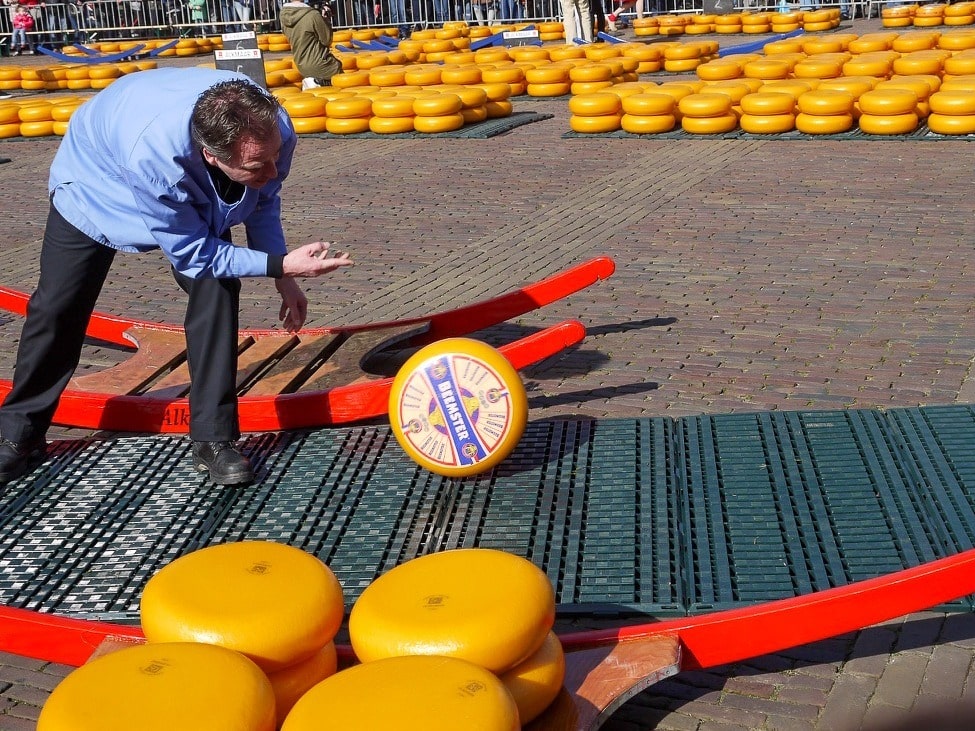
Experiences focused on food and drink, from guided food tours to vineyard and wine tasting. In this guide, we adventure across the world finding the most unique places, foods and drinks, in order to better understand the culture we are in. We also have a couple tours around Whisky in Scotland.
Without a doubt, on your holiday you will have multiple experiences, so the question is rarely which one do you do, but which combination. Some experience types better fit certain holiday types than others. So deciding which works best for your trip and your companions, is all part of Defining the What within our Roadmap.
Different experiences work better with different holiday types and in different parts of the world, this table covers the natural fits:
| Experience | Best holiday types | Strong destinations | Seasonality |
|---|---|---|---|
| Bucket list | Any | Varies by experience | Often very specific |
| UNESCO | City break, road trip | Italy, Spain, France, Greece, Asia | Year-round, peak summer busy |
| Watersports | Coastal, road trip | Cornwall, Croatia, Portugal, Australia | Late spring to early autumn |
| Cycling | City break, road trip | Netherlands, Denmark, France | Spring and autumn |
| Wildlife | Road trip, coastal, eco-tourism | Costa Rica, Australia, Scotland | Highly species-specific |
| Walking | All | UK, Spain, Italy, France, New Zealand | Spring, summer, autumn |
| Wine | Road trip, coastal | France, Italy, Portugal, Spain | Harvest is autumn |
Be honest about energy levels, interests and attention spans. A teenager bored on a UNESCO city tour is harder work than choosing a sunset kayak to begin with.
Many experiences are tied to specific months (Northern Lights, whale migrations, autumn wine harvest, alpine wildflowers). If your travel dates are fixed, work backwards from what is actually possible in those weeks.
Bucket list and wildlife experiences usually require months of lead time. Walking and wine experiences are often more flexible. Cycling and watersports sit somewhere in the middle.
Most trips work best with two or three experiences rather than one or seven. A coastal week with watersports as the headline and a couple of UNESCO day trips as the supporting structure. A road trip with wildlife as the anchor and walking as the daily rhythm. A city breaks with UNESCO sites in the morning and wine in the evening.
A two-week trip that promises bucket list, UNESCO, wildlife, watersports, cycling, walking and wine in one go ends up scattered. Pick the headline experience first, then layer one or two supporting experiences that fit naturally. Save the rest for the next trip.
Experiences are a Stage 2 decision on our Roadmap, but they shape every stage that follows. Worth knowing how the connections work.

Different experiences suit different travelling companions. Wildlife and walking can work brilliantly with teenagers who tend to be more engaged when the trip has a clear focus. UNESCO and wine experiences work well with empty nesters and couples. Watersports and cycling can work with most groups, but require honest assessment of fitness and confidence. We have covered the companion-by-companion detail on our companions page.

Experiences are the part of Stage 2 most affected by season. Northern Lights are January and February. Whale watching has specific months by location. The wine harvest is autumn. Walking is from spring to autumn in most of Europe. Cycling is also spring and autumn for comfort. Knowing the seasonal window for your chosen experience makes Stage 3 planning much easier.

Experience-led planning often points to specific destinations rather than generic ones. If you want to see Atlantic puffins, the ideal destination would be the Farne Islands in Northumberland or Iceland in early summer. If you want to walk the Camino, the destination is northern Spain. The destinations hub covers where each experience actually delivers.
Three common mistakes come up at this stage, all of which can be avoided by following the Platinum Travel Roadmap
If you want to see the Northern Lights, then booking a week in Reykjavik in October is not ideal as it is too early for the most reliable Aurora viewing season. The experience might have driven the trip, but the planning order was wrong. Better to decide the experience first, then check what season and destination it actually requires.
The Vatican Museums, Anne Frank House, Sagrada Familia, Acropolis, certain Costa Rican wildlife reserves, Northern Lights photography tours in Tromsø all sell out weeks or months ahead in peak season. If a particular experience is the reason you are going, book it before anything else.
Two or three experiences in a week works. Booking four or five in a week does not. Each experience has its own pace and its own logistical needs. Switching between them too quickly costs you the depth of any single one. The most memorable trips usually have one headline experience and one or two supporting ones, not a checklist of everything available.

A holiday type is the structural shape of the trip, like a road trip, coastal holiday or city break. A travel experience is what you do within that structure, like wildlife watching, cycling or visiting a UNESCO site. Most trips combine both. We treat them as two related but distinct decisions, with their own dedicated guides.
Two or three works best for most trips. Pick a headline experience that is the main reason you are going, then add one or two supporting experiences that fit naturally with the type and destination. Trying to fit five or six experiences into one trip almost always feels rushed.
Bucket list experiences and wildlife experiences usually need the longest lead time, often months ahead, because they are tied to specific seasons and the best operators sell out early. UNESCO sites in peak season also require advance ticket booking. Cycling and walking experiences are usually more flexible. Wine harvests in autumn need advance booking for the best tours.
Wildlife, walking, watersports and bucket list experiences tend to engage teenagers most, particularly when the experience has a clear focus or active component. UNESCO sites can work if the site itself is dramatic enough (the Colosseum, Machu Picchu, Petra). Wine experiences are usually less suitable until your teenagers are older.
Yes, and this is often the strongest way to plan a trip. A Tromsø trip built entirely around the Northern Lights. A South West Coast Path trip built around long-distance walking. A Tuscany trip built around wine and harvest season. Single-experience trips tend to feel more coherent than multi-experience trips because the planning, pace and destination all align with one clear purpose.
Not necessarily. Many of the best experiences are inexpensive (walking, basic cycling, urban architecture, free UNESCO sites). Cost is usually driven by the destination and time of year rather than the experiences themselves. Wildlife experiences tend to be the most expensive category because they often involve specialist operators, remote locations and long-haul travel.
For most of our experience bookings we use GetYourGuide. It gives a clear picture of what is popular at a destination, has honest reviews, and offers free cancellation on many activities. For seasonal and specialist experiences (bucket list wildlife, Northern Lights tours, harvest-time wine tours), we usually book directly with the operator after researching reviews on independent platforms. Always check Trustpilot, Tripadvisor and Google reviews before committing to anything significant.


Every month I’m sending out either a full itinerary for a destination or some genuinely helpful packing guides – including downloadable PDF’s, accommodation recommendations and much more! Sign up for free below:
This page is part of the Love Travel Planning Platinum Travel Planning Roadmap, a complete step-by-step framework for planning holidays that work for real families and real travel groups. Built from genuine travel experience, not press trips or sponsored itineraries.