★★★★★ Rated 4.5 out of 5

★★★★★ Rated 4.5 out of 5
Coffeehouses and palaces, Christmas markets under the lights, and the mountains that fill the west of the country.
Here is when to go, how long to give it, and where to start.
Austria is a small country with a big reputation for winter. Most people know it for Vienna’s coffeehouses and palaces, the Christmas markets and the ski slopes of the Alps, and the best trips choose their season first and plan around it.
Our Austria guides so far come from Vienna, where we have been twice in winter. We walked the Old Town in the mist, warmed up in the coffeehouses, took a guided tour of Schönbrunn Palace and worked our way around the Christmas markets on the first weekend in December. This page is where our planning for Austria starts, and where yours can too.
In short: The best time to visit Austria depends on the trip you want. For a city break with the Christmas markets, go from late November to December. For the lakes, hiking and the summer festivals, go from June to September, and for skiing, from December to March. This page covers when to go, how long to give it and where to start, beginning with Vienna.
We write about the places we have actually been, in the depth we would want if we were planning it ourselves. So far that means Vienna, the capital and the place most first trips to Austria begin, and we add new places as we travel.

Grand palaces, tiny cafés with marble tables and an Old Town you can walk across in an afternoon. We have been twice in winter, and three or four days was the right amount of time for the sights, the coffeehouses and a night at the State Opera.

Vienna has more than 20 Christmas markets, from the huge one in front of the Rathaus to small craft markets tucked into squares and palace courtyards. We went on the first weekend in December, when every one of them was open.

The Habsburgs’ summer palace, with its state rooms, the Gloriette on the hill and a Christmas market in the courtyard in winter. A guided tour first thing in the morning was the best way we found to understand the family behind it.
New places are added as we travel them. Every part of Austria we write up gets its own card and its own guides on this page, and there is plenty more of Austria still to explore. The newsletter at the bottom is the way to hear first when a new one lands.
Austria has two high seasons. Summer brings the lakes, the hiking and the festivals, and winter brings the snow, the skiing and the Christmas markets. The months in between are quieter, and often the best value.
For a city break with the Christmas markets, go from late November to December. For the mountains and lakes, June to September is the most reliable, and for skiing, December to March. For quieter sightseeing in Vienna and Salzburg, May, June, September and early October are comfortable and less crowded.
Both of our trips to Vienna were in winter. On one visit we had a grey, misty day at St Stephen’s Cathedral, and the coffeehouses were a welcome way to warm up. Snow is more likely in January and February than before Christmas. The Alps in the west are a different story, with snow for skiing through the winter and green walking country in summer, while the lakes are at their best in the warmest months.
Mar to May
The parks and palace gardens come back to life, and Easter markets pop up in Vienna and Salzburg. A good time for the cities, though the mountains can still be snowy higher up and some lakeside places only open later in the season.
Jun to Aug
The season for swimming in the lakes, hiking in the Alps and open-air concerts, with the Salzburg Festival in high summer. Vienna can get hot, and the most popular lakeside villages are very busy, so book rooms early.
Sep to Nov
Golden vineyards, new wine in the wine taverns and far fewer crowds. September is still warm enough for walking, and the Christmas markets start to open from mid to late November.
Dec to Feb
Our pick, and when we have been both times. Christmas markets in December, skiing in the Alps and, in Vienna, the ball season in January and February. It is cold, so pack properly, but the cities glow after dark.

December is when Austria feels most like itself. Most towns have a Christmas market, and Vienna has more than 20. We went on the first weekend in December, when the markets were all open and the squares were full of lights. Our guide to which Christmas markets to visit in Vienna has the ones we liked best.
Most markets open from mid to late November and close just before or just after Christmas, with a few running on towards New Year. The dates change each year, so check the official city or market website before you book. Weekends are the busiest, so go on a weekday if you can.
January and February are quieter, colder and more likely to bring snow. The markets have gone, but the ski season is in full swing in the Alps, and Vienna’s ball season fills the winter calendar. It is a good time for museums, palaces and long afternoons in a coffeehouse.
If Vienna and the Christmas markets are the main event, late November and December. For a quieter city break, January to March or early spring. For the lakes and the mountains, June to September, and for skiing, December to March.
Whenever you go, pack comfortable shoes for the cobbled Old Town lanes. In winter, add warm layers, a hat and gloves, because the markets are at their best after dark, when it is coldest.
Our tip
Plan your winter days around warming up. We broke up our walks with stops in the coffeehouses, where you can sit for as long as you like over one coffee, and saved the Christmas markets for after dark, when the lights come on.
Austria is compact, but it is long and thin. Vienna sits in the far east, and the Alps fill the west, so the train from Vienna to Innsbruck takes over four hours.
The mistake is the long weekend that tries to fit in Vienna, Salzburg and Hallstatt. On a map it looks doable, and the trains are good, but a day trip from Vienna to the lakes is a very long day, and Vienna deserves at least three.
Our Vienna trips have been city breaks from one central base. We stayed near the Stadtpark and walked or took the trams and the U-Bahn everywhere. Our full guides are below.

The self-guided walk
A 3 km walk through the Innere Stadt, from the State Opera and Kärntner Strasse to St Stephen’s Cathedral, the Christmas lights on the Graben and Café Central, ending at the Rathaus market.
The practical things we wish someone had told us.
From the UK, flying is the easy option. There are direct flights to Vienna from several UK airports, and to Salzburg and Innsbruck as well, especially in the ski season.
Austria is also easy to reach by train from the rest of Europe, including overnight sleeper trains into Vienna, and its own railway links Vienna, Salzburg and Innsbruck with fast, comfortable trains. If you are travelling from outside the EU, check the entry rules before you book, as they are changing. It is covered in the FAQ below.
From Vienna Airport, the City Airport Train (CAT) runs non-stop into the city centre in about 16 minutes, and slower local trains are a cheaper option. Once there, we walked or used the trams and the U-Bahn. Our guide covers getting around Vienna in winter.
In Vienna, you do not need a car, and the public transport is excellent. For the lakes and the mountains, a car makes life easier, though trains and buses reach many of the villages.

One of us lives with a severe nut allergy, so this is something we check for every country. Austria follows EU rules, so the 14 main allergens, including peanuts, tree nuts and sesame, have to be declared on packaged food, and restaurants and cafés must be able to tell you which allergens are in their dishes. Many Austrian menus list them as letter codes next to each dish, with a key at the bottom of the menu.
Nuts are everywhere in Austrian baking and at the Christmas markets, from roasted almonds and Lebkuchen to Vanillekipferl biscuits, strudels and the Linzer torte. As anywhere, tell the restaurant about the allergy when you book, and carry a written card in German. Our German allergy translation cards are written for Germany, Austria and German-speaking Switzerland. Our allergy travel resources have more of what we have learnt.
The things worth sorting before you travel, because they sell out. We book through GetYourGuide where it makes sense.
We booked a two-hour guided tour of Schönbrunn Palace and its gardens through GetYourGuide, choosing an early-morning slot in the hope it would be quieter, and it was the best way we found to learn about the Habsburgs. Two more are on our list for next time. The Hofburg and Empress Sisi Museum guided tour covers the family’s winter palace in the heart of the Old Town, and a Vienna coffee house tour with tastings would be a good way to try more of the cafés than we managed.
Not for a holiday if you hold a UK, US, Canadian or Australian passport. Austria is in the Schengen area, where visitors from those countries can stay for up to 90 days in any 180 days without a visa. The EU Entry/Exit System now records non-EU travellers’ fingerprints and photo at the border the first time they enter, so allow extra time at passport control. An ETIAS travel authorisation is also being introduced, so check the official EU travel website before you book. UK passports must be less than ten years old on the day you arrive and valid for at least three months after the day you plan to leave.
The euro, as it has since 2002, when it replaced the Austrian schilling. Cards and contactless payments are widely accepted in hotels, restaurants and shops, but carry some cash for Christmas market stalls, small cafés and kiosks.
Austria is on Central European Time, one hour ahead of the UK all year round, because both change their clocks on the same weekends. That puts it six hours ahead of New York and nine hours ahead of Los Angeles for most of the year.
Yes, a tip is usual for good service in restaurants and cafés. Most people round up or add around 5 to 10%. Rather than leaving coins on the table, tell the server the total you want to pay when you hand over the cash or card. In taxis, rounding up is fine.
Austria costs about the same as the UK for most things, and Vienna, Salzburg and the ski resorts are the priciest places to stay. Lunchtime set menus, public transport passes and staying outside the ski season all help, and the coffeehouses are good value for how long you can sit in them.
Yes, Austria is one of the safest countries to visit in Europe, and Vienna regularly ranks among the most liveable cities in the world. The main things to watch are pickpockets in crowded places, such as the Christmas markets, and, in the mountains, the weather and avalanche warnings, which change quickly.

Dubrovnik’s city walls and Old Town, island boat trips along the Dalmatian coast and five days in Split.


Berlin’s Wall and Bowie’s old haunts, a Hamburg city break and a day trip to medieval Lübeck.

Athens and the Acropolis, a street food tour through Psyrri and how to see the city before your cruise sets sail.
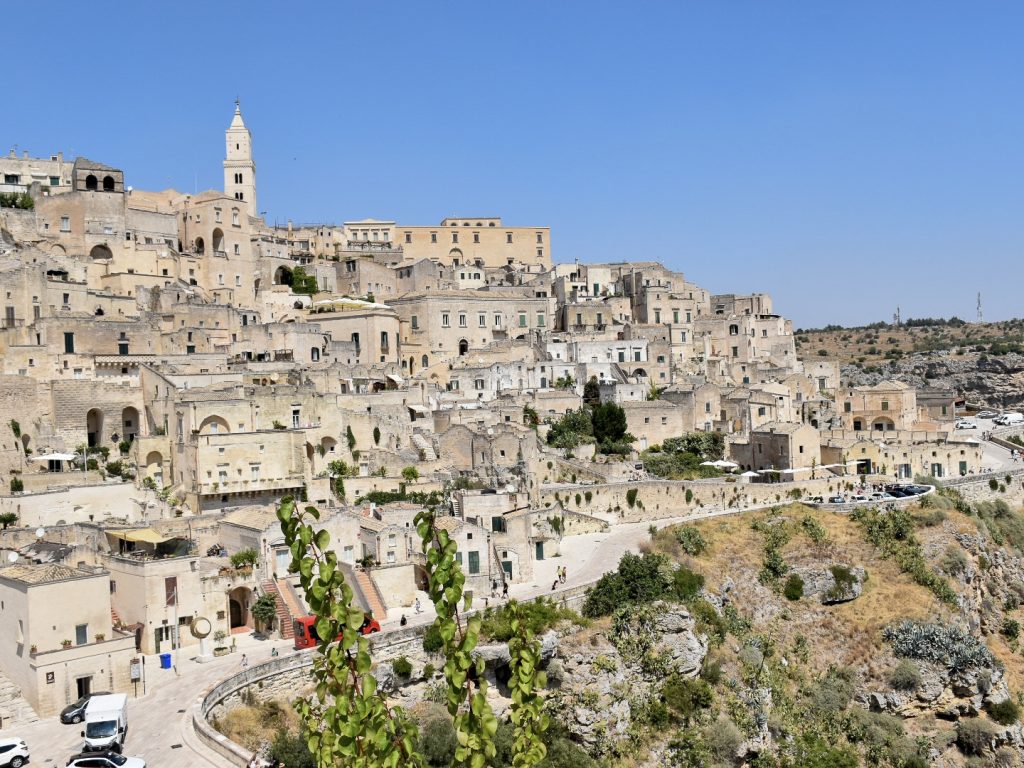
From the Colosseum and the Vatican to the canals of Venice and the trulli of Puglia.

Amsterdam with teenagers, tulip fields in bloom, windmills and the cheese market at Alkmaar.

A winter city break in Tromsø, chasing the northern lights and sailing the fjords in the snow.

Warsaw or Krakow? A city break in each, and our help deciding which one is right for you.
