
★★★★★ Rated 4.5 out of 5

★★★★★ Rated 4.5 out of 5
There’s a feeling of reset you get at the coast that’s hard to find anywhere else. Here’s how we plan coastal holidays that make the most of it, from a long weekend in Cornwall to winter sun.
The sound of the waves, the salt in the air and sand between your toes. It’s no surprise that beach and seaside holidays are what so many of us book when we finally get some time off. Whether you’re dreaming of a fortnight on a Greek island, a long weekend in Cornwall or a family week on the Algarve, a well-planned coastal holiday can be one of the most restorative trips you’ll take. It’s one of the five styles in our guide to holiday styles.
We’ve planned a lot of coastal holidays as a family over the years, chasing winter sun in Mexico, warm summers in Spain and Croatia, and plenty of UK seaside holidays in between. This page sits at Stage 2 of our Platinum Travel Planning Roadmap, Define the what, and walks you through the decisions that shape a coastal trip, from the right style for your group to timing, budget and staying safe by the water.
We don’t tend to do all-inclusive resorts. We’d rather put trips together ourselves, choose where to eat each evening and find the quieter corners the brochures don’t mention. If all-inclusive is your thing, that’s absolutely fine, there are plenty of people who write about it brilliantly, just not here.
Quick answer: A coastal holiday is a trip built around one base by the sea, from a seaside town in the UK to a Greek island. Decide what kind of coastal trip you want first, whether that’s sun and sea, active, wildlife or cultural, then choose a base close to the water and go outside the school holidays if you can.
A coastal holiday is usually built around one base. You choose somewhere on or near the sea, settle in for a few days or a couple of weeks, and use it as the foundation for everything else. Unlike a road trip, where movement and variety are the point, a coastal holiday is about one place, with the sea at the centre of it.
That doesn’t mean staying glued to a sun lounger. Our best coastal holidays have mixed things up. A wander in the early morning, a couple of hours on the beach, something active in the afternoon and a lovely meal in the evening. Or a beach day, then an exploring day, and so on.
It’s worth being honest early on about what you want from the trip. A beach holiday built around watersports is a very different thing to one centred on seafood, coastal walks and a pile of books. Knowing which one you’re after shapes every decision that follows. ABTA’s Holiday Habits 2025-26 report found that beach holidays were the most popular type of holiday for UK travellers, just ahead of city breaks, so you’re in good company either way.
Our Roadmap puts the who before the what, and a coastal holiday is no exception. The same beach, even the same accommodation, can be a brilliant trip or a difficult one depending on who’s with you.
For little ones, the beach is the activity, and that’s a wonderful thing. The practical details matter, though. Look for shallow, sheltered water, sand rather than shingle, and toilets, lunch and a lifeguarded stretch of beach close by. Majorca, Menorca, the Algarve and parts of the Greek islands such as Corfu, Rhodes and Crete tick those boxes reliably. In the UK, we always found Devon and Cornwall perfect for a beach holiday with young children.
How close you stay to the beach matters more than you might think. The further away you are, the more you carry and the harder every spontaneous trip to the sand becomes. We learned that the hard way, balancing bodyboards, deckchairs and a picnic across the dunes.
Teenagers are great company on a coastal holiday if you play to their strengths. Independence matters, whether that’s finding their own coffee (or matcha) shop or joining a surf lesson without mum watching from the shore. So does having something to do. A beach with decent waves, a town with some evening life or a snorkelling spot within reach turns a beach holiday from something they put up with into something they love. Lanzarote and Fuerteventura for surfing and the Dalmatian coast have that energy, and so did our week in Ibiza with teenagers. Our travelling with teenagers guide has more.
Being free to travel outside the school holidays means you can see the coast at its best. Greece or Croatia in late May, early June, September or October is a different experience to August, with quieter beaches, cooler temperatures, easier restaurant bookings and lower prices. For couples and empty nesters, a quieter town, a room with a view and a slower pace often beat the liveliest resort.
A group beach holiday means juggling budgets, balancing what everyone wants to do and finding somewhere big enough to sleep everyone. A villa usually works best, giving people their own space while keeping the social side. The beach is where you meet up, the villa is where you unwind, and cooking together a few nights a week makes the whole trip cheaper.
With the who clear, the what gets easier. Not all coastal holidays are the same, and choosing the right kind now saves you planning a trip that doesn’t suit the people going.
Timing is one of the most valuable decisions you’ll make, even when school holidays or annual leave make the choice for you. Here’s what each season means at the coast.
Summer is the obvious choice for good reason, with the longest days, the warmest water and the most reliable sun. For families tied to school holidays it’s usually the only option, and for many UK seaside towns it’s when they’re at their best. The trade-off is peak prices, busy beaches and accommodation that books up months ahead, so if you’re going in summer, book early.
If you have any flexibility at all, this is when the best coastal holidays happen. The crowds thin, prices drop, restaurants have tables without a booking and the weather is often better than you’d expect. Greece and Croatia in September are warmer than most British summer days, and the Algarve in May is usually lovely. The sea is a few degrees cooler, which matters more for some trips than others. For empty nesters, young adults and couples without school-age children, it’s the window we’d always plan around first.
Winter sun is a category of its own for UK travellers, and the Canary Islands have built much of their tourism around it. We went to Lanzarote one Christmas when our eldest was in his early teens, and he still talks about the chicken they cooked on the volcano. The flights are fairly short, the winter temperatures are mild and the islands work for families, couples and groups. Further afield, the Yucatán Peninsula, the Caribbean, Dubai and Australia all offer reliable winter beaches, with longer flights and jet lag as the trade-off.
The British coast is beautiful, underrated and far more varied than people give it credit for. Yes, the weather is unpredictable, but Cornwall in October, the Northumberland coast in May or the Gower in early September can be spectacular. There’s something about a blustery coastal walk followed by fish and chips that a Mediterranean beach can’t match.
When our children were young, we spent summer after summer camping around Padstow, and those trips are some of our happiest family memories. If we went back now, we’d go in late September, because the one real downside of Cornwall was how busy it got in the peak weeks. Our camping holidays guide covers seaside camping in more detail.
Once you’ve worked out who’s coming, what kind of coastal trip you want and when you can go, the question of where tends to answer itself.
Europe is the natural first choice for most UK travellers, and the range is huge, from the calm, warm Adriatic to the surf beaches of Portugal’s west coast and the sandy coves of the Greek islands.
Long-haul beaches need a different level of planning. Longer flights mean longer trips to make the journey worthwhile, and the budget goes up. But the Caribbean, Southeast Asia, the Indian Ocean and Australia’s coastline offer experiences you won’t find in Europe. Check the rainy season carefully, because a week in the tropics during the monsoon is a very different holiday, and make sure your travel insurance covers the activities you’re planning.
If someone in your group has a severe food allergy, long-haul beaches need extra thought. With Tom’s nut allergy, it’s one of the main reasons we still haven’t managed a family trip to Thailand. Peanuts are everywhere in the cooking, the language barrier is real and some of the loveliest beaches are a long way from a hospital. Better to plan a trip that works than to brave one that won’t. Our allergy safety guides cover how we plan around it.
The UK deserves to be considered on its own merits rather than as a fallback. From the wide sands of Northumberland to the cliffs of Pembrokeshire, the family coves of South Devon and the Atlantic surf of north Cornwall, the variety is remarkable, and the food has caught up with the scenery. Kent’s Whitstable is a favourite for oysters and a shore walk, and Falmouth is where Linus has had some of his best seaside days. Peak summer in Cornwall books up almost as early as Europe now, so don’t leave it late, and have a wet-weather Plan B, because most coastal areas have good inland options within a short drive.
These are the coastal guides we’d start with, from Cornwall to Croatia and the far side of Australia.
Where to go in Falmouth with a dog, with ratings from Linus himself.

Why Falmouth is nicknamed “Falifornia”, and how to plan a trip to this corner of south Cornwall.

How we planned a family week in Ibiza with teenagers, mixing beaches, the old town and a bit of independence for them.

How to plan a summer villa holiday on the southern Dalmatian coast, with Dubrovnik and the islands within reach.

What happened when a storm cancelled a ferry hop to Hvar and turned it into five days in Split, and what the city is like up close.

A guide to Australia’s most underrated city, with its beaches and coastline, and why it deserves a trip of its own.

Tom’s Limestone Coast road trip itinerary, linking Adelaide to the start of the Great Ocean Road via the coastal towns between.

Why Tom drove the Great Ocean Road in the less common direction, and how it gives you a quieter trip.
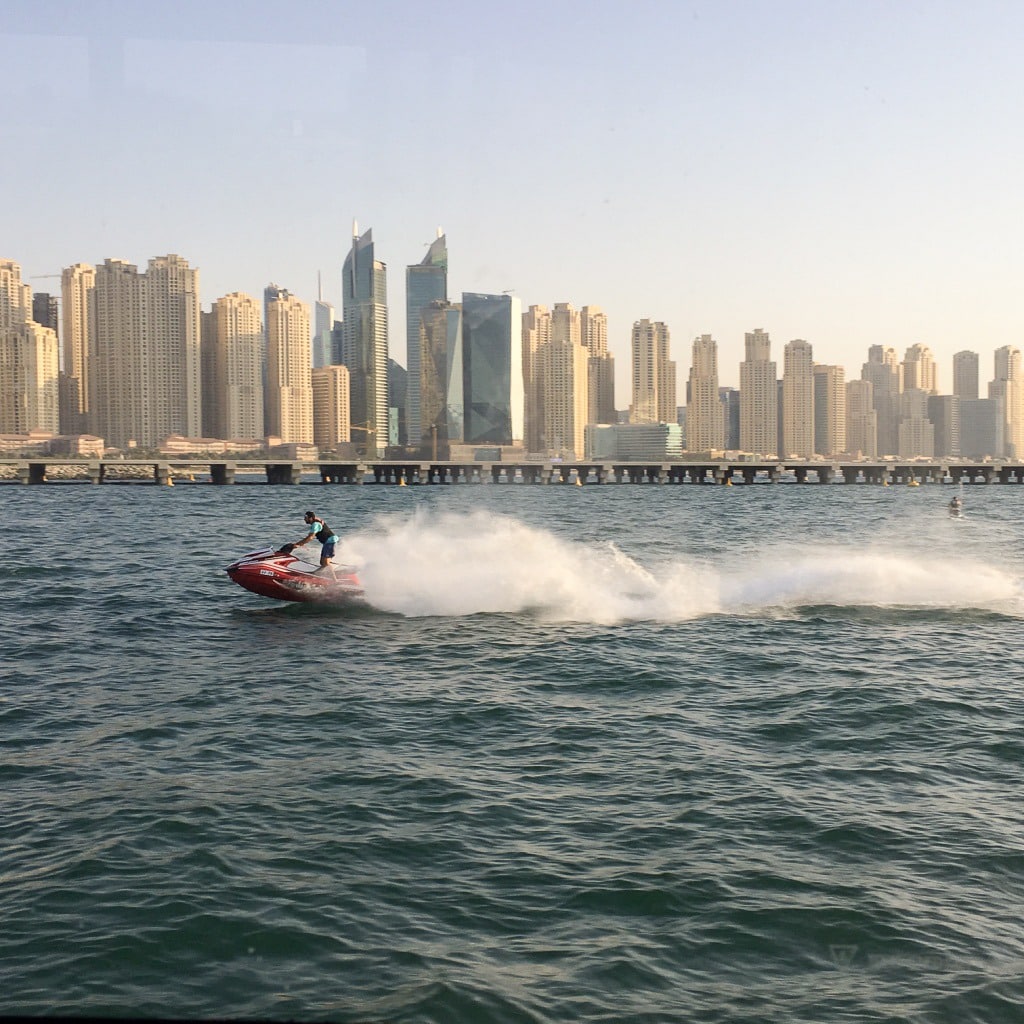
Planning a first visit to Dubai, from the beaches and the creek to the old souks and the new city.

A whistle-stop visit to Rotterdam’s waterfront and modern architecture, with a night on board the SS Rotterdam.

The Arctic coast in winter, and how to plan a city break in Tromsø around the chance of the Northern Lights.

Enjoy the Yucatan Peninsula, Playa del Carmen, Tulum and much more.

How to plan visits to World Heritage Sites, including the coastlines and harbour towns on the list.
Beach holidays span the whole cost spectrum, from a self-catering week on a UK campsite to a luxury villa. What matters is knowing where the money goes, so you can choose where to spend and where to save.
The biggest costs are flights or driving, accommodation and eating out every day, and you can control all three. Going in the shoulder season rather than the school holidays makes the biggest difference, and the destination comes next.
Long-haul beaches are where a good stash of Avios or airline miles really helps. We’ve used Avios to cut the cost of flights to places we couldn’t otherwise have justified, and our reward points guides explain how we collect them.
On a coastal holiday, where you stay shapes the whole trip. A beautiful villa twenty minutes from the beach is a very different holiday to a simple apartment two minutes away, especially with children or a group. Our rule is to spend on location before luxury. We use Booking.com for short stays where flexibility matters and Airbnb for longer self-catering weeks when we want space and a kitchen. Our guide to booking accommodation and activities explains how we choose.
Activities should support your coastal holiday, not take it over. Mix a few things you’ve been looking forward to with plenty of time to be lazy, and read recent reviews before you book. Our top tip is a walking tour on your first full day, which helps you find your feet in a new town.
The best coastal holidays come with a quiet confidence that you’re prepared. That doesn’t mean worrying over every detail, just making sure the things that matter are covered so you can relax when you get there.
Travel insurance for a coastal holiday is simple until it isn’t. As soon as you add watersports, a standard policy may not be enough. Jet skiing, parasailing, coasteering and scuba diving are often excluded or restricted, so read the full policy wording, not just the summary, and add sports cover if you need it. Declare any pre-existing medical conditions properly, and if you’re travelling with a severe allergy, check what’s covered. Our guide to allergy travel insurance explains what to declare.
The coast is one of the most enjoyable places in the world, and one where complacency can have serious consequences. The National Water Safety Forum’s figures show that around half of accidental drownings in the UK happen to people who never meant to go in the water, through slips, falls or being swept in by waves.
Sunburn and heatstroke can derail a beach holiday fast. Children can burn quickly in strong sun, even on cloudy days. Use high-factor protection, reapply after swimming, cover up in the hottest part of the day and take heat exhaustion seriously.
Coastal holidays are more at the mercy of the weather than most. A week of rain or high winds changes the whole trip, and there’s often less to fall back on than in a city. When Tom left us in Dubrovnik one summer, his plan was to take the ferry to Hvar and then on to Split. A dramatic thunderstorm and a forecast of endless rain put paid to that, so he skipped Hvar and spent five days in Split instead. Have a few wet-weather ideas up your sleeve, like an inland town, a good museum or an indoor activity everyone would enjoy.
They're largely the same thing. A seaside holiday usually means a trip to a traditional coastal town, often in the UK, while a coastal holiday is a broader term for any trip based by the sea, from a Cornish harbour to a Greek island or a stretch of Australian coastline.
Start with how close the accommodation is to the beach, because it shapes every day of the trip. Then check the beach itself (sand or shingle, sheltered or exposed, lifeguarded or not), the facilities nearby and the time of year. If you're planning watersports, check that your travel insurance covers them.
It depends on where you're going and who's coming. Families tied to school holidays will usually go in July or August, which brings the highest prices and busiest beaches. If you're flexible, May, June, September and October give a better mix of weather, cost and space across most of Europe. For winter sun, the Canary Islands are the closest reliable option.
You don't have to choose. If you want rest, a classic beach holiday is right. If you get restless after a day or two on the sand, pick an active coastal holiday instead, based somewhere with surfing, kayaking, snorkelling or coastal walks, and alternate beach days with active days.
It depends on the season. In the school summer holidays, a week in a popular UK seaside town can cost more than a week in southern Europe once you add up the accommodation. Outside the peak weeks, UK seaside holidays are excellent value, especially self-catering, while Europe in the shoulder season is often cheaper than people expect.
Some of our happiest holidays have been the simplest ones by the sea, a base near the beach, a bit of exploring and long evenings with nowhere to be. Get the who and the when right and the coast does the rest.
So choose the kind of coastal trip your group will love, stay as close to the water as you can, and keep a Plan B for the grey days. When you're ready, take the next step and choose the experiences you want to add, from watersports to wildlife.
See you by the sea.