
★★★★★ Rated 4.5 out of 5

★★★★★ Rated 4.5 out of 5
The turning point for most trips with teenagers comes when you stop planning for them and start planning with them. Here’s how we learned to do that, from the tween years to older teens.
Travelling with teenagers is one of the most interesting stages of family travel, and one of the trickiest. Everything is changing in the teenage years, from confidence and independence to moods and interests, sometimes all in the same afternoon. Something that sounded exciting during planning can feel like the worst idea in the world once you’re actually there.
Teenagers also develop a strong sense of independence. That can feel like a challenge when you’re organising a family holiday, but it’s something good planning should work with rather than fight against. This guide is part of our travel companions series, and it’s built on our own holidays with teenagers, from Venice at half-term to a road trip down the California coast.
We’ve travelled with ours through every phase, from the early tween years, when curiosity still comes with a bit of hesitation, to older teens with strong opinions and very clear ideas about what they do and don’t want to do. The biggest lesson we learned is that trips with teenagers work best when the planning is shared rather than controlled.
Quick answer: Plan with your teenagers, not for them. Give them real choices, build in some time apart, plan around their energy rather than a fixed timetable, and make sure they can stay connected.
Travelling with teenagers sits at an unusual point in family life. On the practical side, travel often gets easier than it was with younger children. Teenagers can walk further, cope with longer days and handle bigger trips, like a multi-day road trip.
Emotionally, the dynamic changes. Teenagers become far more aware of whether something feels worthwhile to them, and much more sensitive to how much say they have in what’s happening. Travelling with our own teenagers, we found a few things mattered more than we’d expected.
Some of our most enjoyable evenings came after an afternoon when everyone had a little time to do their own thing.
In our experience, tension on trips with teenagers rarely comes from the teenagers themselves. More often it comes from the way the trip was planned.
Many family holidays are still designed the way they were when the children were younger. Parents make the decisions, the itinerary is fixed early and everyone follows the plan. That structure worked well when children needed more guidance, but with teenagers it can start to feel restrictive.
The other common problem is over-planning. It’s easy to build an itinerary that looks fantastic on paper but leaves very little room for changing energy, spontaneous discoveries or simply slowing down for a few hours. When every day is tightly scheduled, even a great destination can start to feel exhausting.
The biggest change that improved our trips with teenagers was moving from control to collaboration. That doesn’t mean giving up on structure. It means using it differently.
Some of our best travel memories came from decisions the teenagers made themselves. On our villa holiday on the Riviera Maya in Mexico, we handed over responsibility for choosing dinner one evening. Instead of the restaurant we’d planned, one of our daughters found a small local place on TikTok that we’d otherwise have walked straight past. It turned out to be one of the best meals of the whole trip. When teenagers feel some ownership of an experience, they’re far more likely to throw themselves into it.
Teenagers aren’t one single group. Planning works far better when you think about where your child is now, rather than applying one approach to every teen.
Ages 9 to 12
Tweens are at an interesting point. They’re curious and keen to explore, but they still benefit from routine and structure, even if they pretend they don’t. Trips at this stage usually work best with three things.
Tweens love novelty, but too many open-ended choices can feel overwhelming. Two options usually work better than ten.
Ages 13 to 15
This is often when the dynamic changes most. Younger teens want experiences that feel real rather than designed for children, and they’re much more aware of how an activity fits their own interests. Planning tends to work best when three things are true.
When younger teens feel heard during planning, they’re far more engaged once the trip begins.
Ages 16 to 18
By the later teenage years, travel starts to feel more like a group trip than a traditional family holiday. Older teens can manage longer days, more independence and more responsibility. We found it helped to talk openly about three things.
When older teenagers are part of those conversations, the trip feels shared. In many ways this stage gave us some of our best family holidays, with everyone bringing ideas to the table.
Holidays with teenagers don’t have to mean theme parks and beach clubs. Looking back over our own trips, a few types of holiday worked again and again, and some suit certain ages better than others.
Whatever you choose, the stage your teenager is at matters more than the destination. A tween and a 17-year-old can enjoy the same place, as long as the plan gives each of them something they chose.
Once you know you’re travelling with teenagers, the rest of your planning follows a different logic. This is where our Platinum Travel Planning Roadmap helps. Rather than jumping straight to destinations, it lets the who reshape every decision that follows. When teenagers are part of the group, four things change.
This is the point where a lot of trips succeed or struggle. When the planning grows up alongside your children, the trip fits. When it doesn’t, friction creeps in. That’s why we keep coming back to the same four planning signals.
| Planning signal | What to ask | A real-world example | Why it matters |
|---|---|---|---|
| Independence | Where can our teens influence decisions? | Letting them choose the dinner spot or the day's activity | Ownership makes them want to join in |
| Energy | When are their natural highs and lows? | A late start after a long travel day or a late night | Prevents burnout and switching off |
| Relevance | Does this feel meaningful to them? | Swapping a generic museum for a street art tour or a themed café | Teens opt in when it fits who they are |
| Flexibility | Where can plans bend if needed? | A Plan B, like a cinema or a shopping centre, for an energy slump | Reduces pressure and conflict |
These guides look at holidays with teenagers from every angle, from city breaks to long road trips. Start with whatever matches your teenagers’ stage and energy, and the kind of trip you want to plan now.
City breaks
Our five-day family plan from a half-term trip, and an honest answer to whether Venice works for teenagers.

How we planned Rome around our teenagers, with the activities that won them over and a pace that kept everyone going.

How to see Rome in four days on foot, with a plan that keeps the walking manageable and the big sights in the right order.
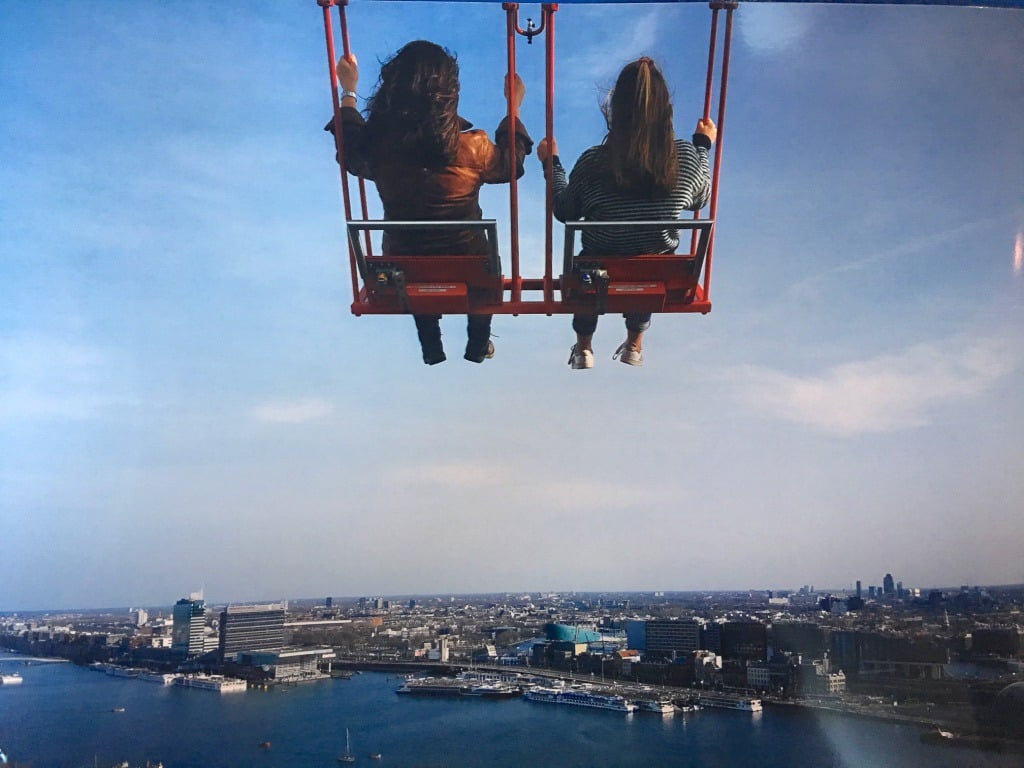
How we planned a successful trip to Amsterdam with teenagers, from where to stay to what kept them interested.

The essentials of planning a short first trip to Amsterdam, from getting around to choosing a base.

A three-day schedule for Hamburg that balances the big sights with time to wander.

An easy self-guided walk that introduces Berlin’s history and main sights, a good way to spend your first day in the city.

A two-day Glasgow itinerary built around art, live music and Charles Rennie Mackintosh, a good fit for teens with creative interests.

A relaxed three-day itinerary for Belfast, with time for the city and ideas for heading out to the coast.

Studio tours, Star Wars and beach bikes. How we spent three days in LA with our teenagers on the California road trip.

Bikes, cable cars and Alcatraz. Our three days in San Francisco with teenagers, on the same California road trip.

Our pick of Seattle for a family with mixed ages, from the start of our Pacific Northwest road trip.
Road trips

Our 10-day Pacific Coast Highway itinerary with teenagers, with the stops we chose and how we paced the drive.

Our circular family route from Seattle through Washington and British Columbia, with how long to allow and where to break the drive.

How we planned a loop of Costa Rica as a family, from the cloud forest to the Caribbean coast, and how to pace it.
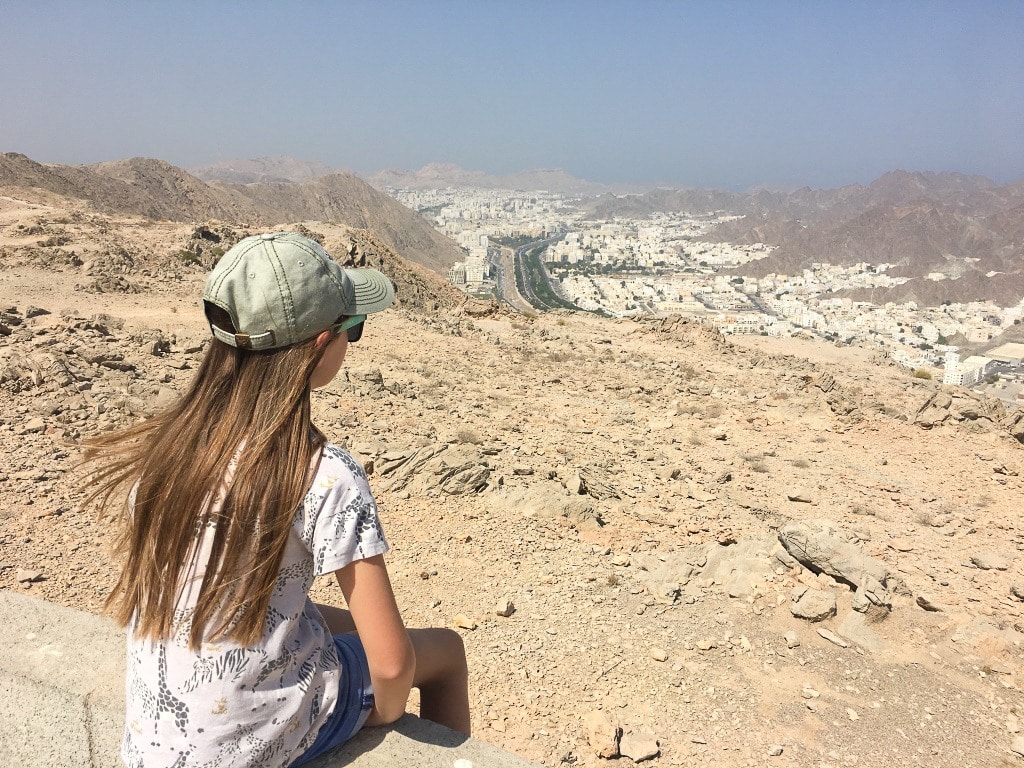
The places we’d include on a family road trip from Muscat, and how to pace the driving so everyone still enjoys the stops.
Sun, villas and activity weeks

How we planned a family week in Ibiza with teenagers, from the old town to the island’s hippy side.

Our villa holiday on Mexico’s Riviera Maya, and how to plan a winter sun trip there, from choosing a base to day trips.

A one-week villa itinerary for Puglia, with day trips to the trulli of Alberobello, Lecce and the white town of Ostuni.

What to know before a first visit to Dubai, and how to balance the old city with the new.
Day trips and stopovers

How to get to the Giant’s Causeway and when to go to avoid the busiest times.

What to see in Houston if you have a day or two between flights, and how to make a long-haul stopover part of the trip.

Whether it’s worth leaving the airport on a seven-hour layover in Dallas, and how to plan the time if you do.
When a teenager doesn’t want to go on holiday, it’s usually a planning mismatch rather than a rejection of travel itself. At this age, resistance tends to come from one of three places. They feel they have no say, they can’t see the point, or they’re worried about losing their independence. A trip planned entirely around adult priorities, or around younger children, can feel imposed rather than shared.
The answer is to rethink the trip rather than force enthusiasm.
When teenagers understand why a trip is happening and can shape parts of it, they usually come round. The goal isn’t wild excitement. It’s real buy-in.
Travelling with teenagers and toddlers together is completely doable. It works when the trip is built around shared anchors rather than identical days.
Teenagers need some independence and responsibility, while toddlers need routine and familiarity. Trips struggle when everyone is expected to do everything together. They work when time together is planned on purpose and time apart is planned without apology. Our travelling with kids guide has more on planning around little ones.
Active teenagers tend to engage most with trips built around experiences rather than attractions. The best holidays combine movement with some independence and plenty of variety.
Active teens usually respond better when movement has a purpose, like exploring, navigating or discovering, than to an itinerary of passive sightseeing. Plan fewer, bigger experiences with time to recover between them. Keeping things moving matters, but so does downtime.
Sooner or later, most teenagers want to travel without you. The best preparation happens on family trips, long before they go. Give them a little more responsibility each time.
When our children took their first trip abroad on their own, to Split, they had to manage their own budget and plans. It was a big step for them, and we were very proud. Our travelling with young adults guide picks up the story from there.
Places that mix activity with some freedom tend to work best. Cities with plenty to do on foot, road trips with short driving days, activity weeks and villa holidays with a pool all suit teenagers well. The destination matters less than whether your teenagers helped choose it and have something to look forward to.
Plan with them, not for them. Offer two or three options instead of a fixed plan, let them choose some of the activities or a restaurant, build in free time, and plan around their energy rather than an early-start timetable.
Build their confidence on family trips first. Let them navigate, manage a daily budget, make bookings and check in for flights while you're still there. Before they go alone, agree how you'll stay in touch and make sure they know where to find official travel advice and their insurance details.
It depends on their age, the destination and how much they've travelled before. Many families start with short, agreed spells of time apart in a safe area, with a meeting point and a phone that works, and extend them as trust builds. Agree the rules before you go, not on the day.
Travelling with teenagers isn't about lowering your expectations or managing behaviour. It's about recognising that the planning has to change as they do, and some of our best family holidays came from exactly that stage.
Give them a say, leave room for time apart and plan around their energy, and you'll often find they lead you somewhere you'd never have found yourself. When you know who's coming, move on to Stage 2 of the Roadmap to choose your holiday style.
Happy planning, and let them pick dinner at least once.