
★★★★★ Rated 4.5 out of 5

★★★★★ Rated 4.5 out of 5
Anyone can call a holiday eco. This is how we tell the real thing from greenwashing, the eco stays we’ve loved, the places where it’s gone wrong, and how to plan a trip that leaves somewhere better for your visit.
At its heart, an eco holiday is about protecting the places you visit while still enjoying them to the full. Done well, it gets you closer to the landscape, the wildlife and the people than any resort could. Done badly, it’s an ordinary holiday with a green sticker on it. Eco holidays are one of the five styles in our guide to holiday styles.
This page sits at Stage 2 of our Platinum Travel Planning Roadmap, Define the what, because deciding how you want to travel comes well before booking anything. Over the years we’ve stayed in some places that set out to be eco and others where we only found out once we arrived. We’ve also seen eco-tourism go badly wrong. Everything here is our honest view, and none of these places paid us or gave us free stays.
Quick answer: An eco holiday is a trip that looks after the places you visit, through low-impact stays, real conservation and money that stays with local people. When you book, look for independent certification, evidence of results rather than vague claims, and small, locally run operators, then travel slower and stay longer.
Eco-tourism has grown hugely since the first ecolodges, such as Rara Avis in Costa Rica, opened in the 1980s. Today the words get used for everything, so it helps to separate them.
In practice the three overlap, and the best trips tick all of them. An eco holiday can also be any of the other styles. It can be a coastal week, a road trip or a camping trip, which is why so many of ours started as one of those.
One of the biggest myths in travel is that anything labelled eco actually is. Put the word on a hotel or a tour and it suddenly sounds responsible. There’s no single global eco licence, and anyone can use the words eco, green or sustainable without backing them up.
The term greenwashing was coined by environmentalist Jay Westerveld in 1986, after a hotel in Fiji asked guests to reuse their towels to save the planet while it was building a new wing on the local ecosystem. Not much has changed. A European Commission study of green claims found that 53% were vague, misleading or unfounded.
These are the red flags we look for.
Real eco operators are open about what they do, hold independent certification and can show results, whether that’s solar power, waste reduction, conservation work or community projects.
The Global Sustainable Tourism Council (GSTC) is the closest thing there is to a trusted international standard. It doesn’t certify businesses itself. Instead, it sets the baseline that credible certification schemes must meet, covering good management, real benefits for local communities, respect for cultural heritage, and protecting nature by cutting pollution, waste and carbon. When a lodge or tour operator holds a GSTC-recognised or accredited certificate, it means it has been independently audited against those criteria. That gives you a way to compare a desert camp in Oman with a turtle reserve in Costa Rica.
| Certification | Best for | Why it matters |
|---|---|---|
| EarthCheck | Destinations and large operators | Scientific benchmarking and measurable impact |
| Green Key | Hotels and attractions | Widely recognised around the world |
| Green Globe | Hotels and tour operators | Tiered levels, so you can see how far a business has gone |
| Travelife | Accommodation and tours | A GSTC-recognised sustainability standard |
| Biosphere | Destinations and businesses | Aligned with the UN Sustainable Development Goals |
These are the places where we’ve seen eco-tourism working as it should.
Costa Rica has set the standard for eco-tourism for decades, largely thanks to its national Certificate for Sustainable Tourism, which is recognised by the GSTC and rates businesses on their environmental, social and operational performance.
At Tortuguero National Park we stayed at Tortuga Lodge, and it was eco-tourism working exactly as it’s meant to. Tortuguero is one of the most important nesting beaches for endangered green turtles in the Western Hemisphere. Access is controlled, the lodge runs largely on solar power and treats its own water so there’s no bottled plastic, and the only way in is by boat or small plane, which keeps mass tourism away on its own.
In the cloud forest, Monteverde Lodge and Gardens was another good example. It has solar panels, its own private nature reserve protecting cloud forest habitat, recognition for its creek conservation and water management, and it employs and works with the local community.
The Bremer Bay orca trips run by Naturaliste Charters show active conservation built into a wildlife tour. Marine biologists and scientists work on the boats, there’s a strict code for how close you get to the wildlife, and the operator holds Eco Tourism Australia’s top certifications.
On our family road trip in Oman, we found tourism built around conservation and culture rather than around the tourist. The Thousand Nights desert camp is built from natural, local materials that blend into the dunes, with a focus on saving water, restoring native plants and employing Bedouin families. At the Ras Al Jinz Turtle Reserve, viewing is guided, strictly controlled and only at night, supporting research and protecting one of the largest green turtle nesting populations in the Indian Ocean.
You don’t need to fly across the world to stay somewhere sustainable. Tom stayed at Big Sky Hideaway in Lincolnshire, a campsite run on renewable energy with compost toilets, solar-heated showers and serious rewilding, where former farmland has been planted with trees and turned into wildflower meadows and woodland.
We’d love to only write about beautiful places, but we don’t want to pretend everything is fine. On our travels we’ve seen overtourism in some surprising places.
Akumal Bay, south of Playa del Carmen, should have been a conservation success story like Oman or Costa Rica. Instead, visitor numbers soared, and studies found turtles being grabbed by tourists again and again, every hour of the day. Constant disturbance, sunscreen and physical contact have stressed the turtles, polluted the water and damaged the seagrass they feed on. After reading reviews, we decided not to swim with the turtles at Akumal. For us, it’s the clearest example of good intentions without proper limits harming the very thing people travel to see. Our guide to exploring Tulum by bike covers a gentler way to see the area.
Split’s old town is built inside the UNESCO-listed Diocletian’s Palace, once a lively residential quarter. Now only a few thousand people live there. In peak season, cruise passengers fill the narrow Roman lanes until they’re almost impossible to walk, and when the ships leave, businesses built for day-trippers close and the quarter goes quiet. Studies and resident surveys suggest mass tourism is wearing away the heritage rather than protecting it. Our five-day stay in Split shows both sides of the city.
Venice has been battling mass tourism for years, from strain on its fragile lagoon to crowded streets that make daily life hard for residents. It was one of the first cities in the world to bring in a fee for day-trippers, aimed at reducing hit-and-run visits and raising money for the city. Our guide to the Venice access fee and overtourism explains how to visit responsibly.
Honestly, most eco holidays still rely on flying. The lodge or reserve might be doing impressive work, but the flight there can easily be the biggest part of your carbon footprint. Sustainable Travel International estimates that tourism accounts for around 8% of global carbon emissions, and long-haul flights are especially heavy. The remote places with the best nature, like Costa Rica’s rainforests, are often only reachable by air. It’s the uncomfortable contradiction at the heart of eco travel, and I think it’s worth facing.
You can’t usually get your impact down to nothing, but better choices add up.
This is where it all comes together, turning a wish to travel better into a trip that makes a real difference, without the eco-guilt or last-minute compromises. It follows the stages of the Roadmap.
Before you look at a map, decide what eco means to your group. Is it wildlife conservation, such as turtle nesting or orca research? Is it culture, such as community-run lodges or experiences led by Indigenous guides? Or is it low-carbon travel, with overland journeys and fewer flights? When we planned Costa Rica with our teenagers, they were desperate to see sloths and sea turtles, so wildlife became our focus. That one decision shaped every other choice. Write your priority down and use it as your filter.
Many eco holidays involve somewhere remote, which is why a road trip so often works alongside them. Look for GSTC-recognised certification, or trusted schemes like Rainforest Alliance or Fair Trade Tourism, rather than vague green labels. We always cross-check reviews on independent sites for what people say about water use, waste, staff and animal welfare. It takes an extra hour or two, and it can save you from supporting something that harms the place you came to see.
One of the kindest things you can do for a fragile place is to avoid its busiest season. Shoulder and low seasons take the pressure off accommodation, guides and wildlife, and often bring better prices and a more relaxed feel. We went to Costa Rica in the green season. It rained for an hour most afternoons, but the forests were lush, the crowds were thin and the animals were far more active. Our guide to Costa Rica in the rainy season covers what that’s like.
Match your priority, your group, your timing and your budget to places and operators that really fit.
When you book, look past the star rating. Does the place use solar power, treat its own wastewater or support rewilding? Are the activities low-impact, like kayaking rather than jet skiing, or walking and cycling rather than quad bikes?
This is the step that makes the biggest difference. Fewer places, deeper immersion and a slower pace. Two weeks in one or two well-chosen places usually has far less impact, and far more enjoyment, than hopping between five places in ten days. In our family, the most memorable trips have been the ones where we stayed long enough for a place to start feeling familiar. For the emissions you can’t avoid, we use Greener Travel, a UK offsetting service that lets you work out your journey’s footprint and support verified projects.
These are the posts behind this page, from turtle beaches to rewilded meadows, plus the three UNESCO designations that protect many of the places on eco itineraries.
Kutralkura is Chile’s first Global Geopark and chaired the UNESCO Geoparks Council session that endorsed the 2025 designations, so it is a fitting flagship for the programme.

Seeing turtles lay their eggs in Tortuguero on our family road trip around Costa Rica, and why it’s such a special place.

Getting active in Monteverde’s cloud forest on our family road trip around Costa Rica, and how to plan your time there.

What to include on a family road trip from Muscat, and how we planned the route around Oman.

What a day on the Bremer Canyon is really like, on a wildlife trip with marine scientists on board.

Meadow camping and glamping on a rewilded farm in Lincolnshire, and what an off-grid stay there is like.

Our guide to planning a bucket list trip to Easter Island, one of the most remote inhabited islands in the world.
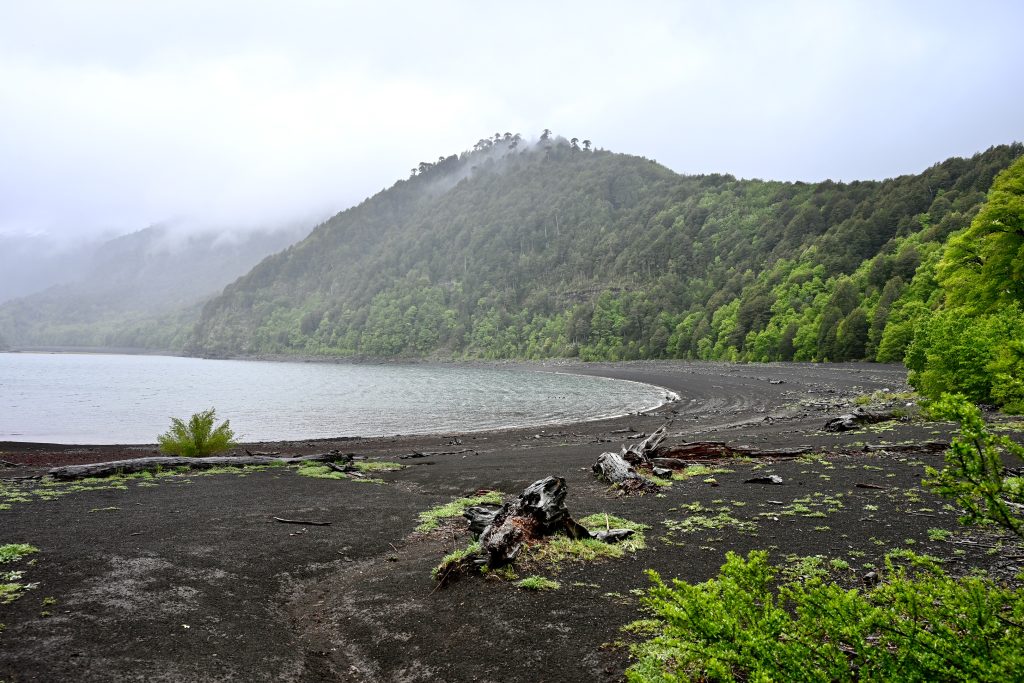
What a Biosphere Reserve is, how it balances people and nature, and how to plan a visit.

What makes a Global Geopark, and how to plan a visit to these landscapes shaped by geology.
Eco holidays are trips centred on nature that set out to protect the places you visit. That means low-impact accommodation, real conservation work and money that stays with local people. They're usually small in scale, from a turtle reserve or a cloud forest lodge to a rewilded campsite in the UK.
Look for independent certification recognised by the Global Sustainable Tourism Council, and for evidence of results such as solar power, water treatment, conservation fees or community projects. Choose small, locally run businesses, read recent independent reviews about how they treat staff and wildlife, and be wary of vague claims with nothing behind them.
Eco holidays focus on nature and conservation. Sustainable holidays apply responsible principles to any kind of trip, including city breaks. Ethical holidays put people and animals first, with fair wages, respect for local cultures and no exploitative wildlife experiences. The best trips are all three.
Yes, and in many ways they're ideal. Hands-on experiences like turtle watching, wildlife research and guided forest walks hold children's attention far better than a resort pool. Check the age limits for specific activities before you book, and choose lodges that welcome families rather than remote wilderness camps.
Sometimes, because real eco lodges invest in solar energy, water treatment, fair wages and conservation. But travelling in the shoulder season, staying longer in fewer places and booking local operators can make them competitive, and the depth of the experience makes them feel like better value.
The eco trips that have stayed with us weren't the ones with the greenest marketing. They were the ones where we could see the difference, a turtle beach that was quiet because access was limited, or a lodge where the money clearly stayed local.
So choose one priority, check the claims, and slow the trip down. When you're ready, take the next step and choose the experiences you want to build in, from wildlife to walking.
Travel lightly, and enjoy it.