★★★★★ Rated 4.5 out of 5

★★★★★ Rated 4.5 out of 5
Walled cities, island coves, waterfalls and some of the clearest water in Europe.
Here is where to go in Croatia, region by region, when to visit and how long you need.
Plenty of visitors fly into Dubrovnik or Split, spend a few days on the coast and fly home. It is a good start, but Croatia is far more than its two famous cities.
We have been to Croatia twice as a family, years apart. The first time was an activity holiday based near Zadar, kayaking rivers, cycling to waterfalls and hiking in the mountains with the kids. The second was a week in a villa near Dubrovnik, after which some of us stayed on for five days in Split that we had never planned, when a thunderstorm put paid to the ferry to Hvar. Both trips were on the Dalmatian coast, which is where our guides are.
This page is how we would plan Croatia now, region by region from north to south, with the counties beneath them and links to every guide we have written.
In short: The best places to visit in Croatia for a first trip are on the Dalmatian coast. Dubrovnik in the south, Split in the middle and the national parks around Zadar and Šibenik in the north each make a week on their own. Inland, Zagreb, Istria and the Plitvice Lakes are trips in their own right.
Croatia is a long, thin country that wraps around Bosnia and Herzegovina, so the far north and the far south are a long way apart. The coast alone runs for hundreds of miles, with more than a thousand islands offshore. The easiest way to plan it is to pick one region and one base, then add day trips and boat days. This is how we would choose.
The regions of Croatia follow from north to south, starting in Zagreb and finishing in Southern Dalmatia. The regions we have not written about yet still get a short guide to what they are for, so you can decide whether they belong on your trip, and every region ends with the tours and experiences worth booking there.
Croatia’s capital and the green hills around it. Zagreb is a city of Austro-Hungarian squares, cafés and museums, split between the medieval Upper Town and the grand Lower Town, with a short funicular between the two. North of the city, the Zagorje hills are castles, vineyards and small spa towns. It is inland, so it is cooler and quieter than the coast in summer, and with an international airport and trains to the coast it makes an easy start or end to a wider trip. We have not published a guide for this region yet.
We have not booked anything here ourselves, so these are locally run experiences we have researched rather than tried. A walking tour is the quickest way into the Upper Town and its stories.
Croatia’s flat, fertile east, between the Drava, the Sava and the Danube, and the least visited part of the country. It is farming and wine country, with the Baroque old town of Osijek, the Kopački Rit wetlands on the Danube floodplain and the town of Vukovar, a sobering reminder of the war of the 1990s. Expect hearty, paprika-spiced food such as kulen sausage, and a very different feel from the coast. We have not published a guide for this region yet.
We have not booked anything here ourselves, so these are locally run experiences we have researched rather than tried. Tours are thin on the ground out here, so this is one to check carefully.
The heart-shaped peninsula in the north-west, close to Slovenia and Italy, and the part of Croatia that feels most Italian. Rovinj and Poreč sit on the coast, hilltop towns such as Motovun and Grožnjan look out over vineyards and oak woods, and Pula has one of the best preserved Roman amphitheatres anywhere. Truffles, olive oil and wine are the draw inland. It is a short drive from Trieste, so it works for a road trip from Italy as well as a holiday in its own right. We have not published a guide for this region yet.
We have not booked anything here ourselves, so these are locally run experiences we have researched rather than tried. Truffle hunting in the woods below Motovun is the one most people come for.
The bay between Istria and Dalmatia, with the old Habsburg seaside resort of Opatija, the port city of Rijeka and the islands of Krk, Cres, Lošinj and Rab. Krk is joined to the mainland by a bridge, which makes it one of the easiest islands to reach by car. Kvarner is the closest stretch of Croatian coast to central Europe, so it is popular with drivers from Austria, Germany and Slovenia, and the mountains of Gorski Kotar rise just behind it. We have not published a guide for this region yet.
We have not booked anything here ourselves, so these are locally run experiences we have researched rather than tried. A day on the water is the best way to see the islands.
The mountainous, thinly populated interior between Zagreb and the coast, and home to the Plitvice Lakes National Park, Croatia’s oldest national park and a UNESCO World Heritage Site. Its sixteen terraced lakes are joined by waterfalls and wooden boardwalks, in shades of green and blue that hardly look real. Plitvice sits roughly between Zagreb and Zadar, so many people stop on the drive south. It gets very busy in summer, so arrive early, and swimming is not allowed anywhere in the park. We have not published a guide for this region yet.
We have not booked anything here ourselves, so these are locally run experiences we have researched rather than tried. Go for a guided walk that starts at the park itself rather than a long coach day from Zagreb or Split.
The northern end of the Dalmatian coast, around Zadar and Šibenik, is where we first fell for Croatia, on a family activity holiday. It is rivers, canyons, mountains and national parks as much as beaches, with the Velebit mountains as a backdrop and Zadar as its city. It sees fewer cruise ships than Split or Dubrovnik, so it suits families and anyone who would rather be outdoors than in a crowd.
Zadar’s old town sits on a peninsula, with Roman ruins, a cathedral bell tower to climb and the Sea Organ and Greeting to the Sun on the waterfront. Paklenica National Park and the canyon of the Zrmanja River are within an hour or so of the city. For our activity week we were based at Novigrad, on an inland sea east of Zadar, and travelled out to a different adventure each day.

Sea kayaking, river canoeing, a mountain hike and Zadar at sunset, from one base on Novigrad Bay.
Inland from Šibenik, the Krka River tumbles through Krka National Park in a series of waterfalls, the biggest of them Skradinski Buk. On our activity week we cycled there from the little town of Skradin and walked the boardwalks round the back of the falls, and years later some of us went back on a day trip from Split. Šibenik itself has a UNESCO-listed cathedral, and the islands of the Kornati archipelago lie offshore.
We did Krka and Paklenica as part of an organised group, so if you’re planning it yourself, these are the locally run options we would look at.
Split and the coast and islands around it. A Roman emperor’s palace sits at the heart of the city, the islands of Brač, Hvar and Vis are a ferry ride away, and the rivers and gorges of the Dalmatian hinterland are a short drive inland. It is the transport hub of the coast, with ferries, catamarans and buses heading in every direction, which makes it a natural base or a stop between Zadar and Dubrovnik.
Split is a living city built into the walls of Diocletian’s Palace, with Marjan Hill for sunsets, island trips from the harbour and Klis Fortress on the hill above. Down the coast, the little town of Omiš sits at the mouth of the Cetina River gorge, which is the place for rafting and ziplining. We have rafted the Cetina twice, once with the kids and once as adults.

A Roman palace with a city inside it, Marjan Hill at sunset and day trips to Krka, Klis and the islands.

A pirate-history port town at the mouth of a river gorge, with ziplines across the valley and easy white-water rafting.
We have been white-water rafting on the Cetina River and ziplining at Omiš, and the Blue Cave and islands speedboat trip from Split is the one we didn’t get to, so it’s on our list for next time.
Dubrovnik and the long, narrow strip of coast around it, with the Pelješac peninsula and the Elaphiti Islands to the north-west, Lokrum just offshore and Montenegro and Bosnia and Herzegovina within a day’s reach. It is the most visited corner of Croatia, and cruise ships call through the season, so timing matters more here than anywhere. Go into the Old Town early, check the cruise ship schedule and save the city walls for golden hour.

Start here
Our relaxed week on the Southern Dalmatian Coast, with where we stayed, how we used the Dubrovnik Pass, how to dodge the crowds and the day trips that made the week. Every guide below fits into it.
Croatia’s southernmost county, from the mouth of the Neretva River down past Dubrovnik to the border with Montenegro. Dubrovnik’s Old Town is small enough to explore on foot in a morning, the walls take an unhurried evening, and the boats from the Old Port reach Lokrum in minutes. Further up the coast, the medieval walls of Ston climb over the hill above the oyster beds of Mali Ston Bay.

Marble streets, the Rector’s Palace and the Old Port, on an easy self-guided walk from Ploče Gate to Pile Gate.

Two kilometres of walls, forts and views over the rooftops, best walked at golden hour.

A short ferry to an island of pine woods and peacocks, then the cable car up Mount Srd for sunset.

A boat day through the islands to the walls of Ston and an oyster lunch out on the water.
We booked our sunset walking tour of the Dubrovnik city walls and a Game of Thrones tour of Dubrovnik through GetYourGuide, and the walls tour was one of the highlights of the week.
The euro. Croatia switched from the kuna to the euro at the start of 2023, so you can use the same notes and coins as in most of the EU. Cards and contactless are widely accepted in towns and on the coast, but carry some cash for taxis, small shops, markets and tips.
May, June and September for most trips. The sea is warm enough to swim, the days are long and you miss the busiest weeks of July and August, when the coast is at its hottest, most crowded and most expensive. October can still be lovely on the coast, but some island ferries and seasonal businesses wind down.
It is no longer a budget destination, especially Dubrovnik in summer, where boat trips, the cable car and drinks with a view all add up. Inland Croatia, the smaller towns and the shoulder seasons are noticeably cheaper. In Dubrovnik, the Dubrovnik Pass can save money if you plan to see the city walls and several museums.
Both, if you can, because they are very different. Dubrovnik is the more beautiful and the more crowded, a walled city best explored early and late. Split is a working city built inside a Roman palace, with better transport links to the islands and national parks. Our Dubrovnik itinerary and Split review will help you decide.
A week is right for one region, such as Dubrovnik and its day trips or Split and the islands. Ten days to two weeks lets you combine the Dalmatian coast with the national parks or the islands. Distances along the coast are long and summer traffic and ferries take time, so do not try to see it all in one trip.
Yes. Croatia joined the European Union in 2013 and the Schengen area in 2023, so there are no routine border checks with Slovenia or Hungary, but there are when you cross into Bosnia and Herzegovina or Montenegro, which are outside the EU. The EU is bringing in new digital entry checks for visitors from outside it, so check the official EU travel website before you go.
Yes, Croatia is generally a very safe country to visit, with low levels of crime. The usual care with bags in busy places applies, particularly in Dubrovnik and Split in summer. The bigger risks are natural ones, such as the summer heat, strong sun, sea urchins on rocky beaches and the occasional summer thunderstorm.
The two-pin European plugs, types C and F, at 230 volts, the same as most of mainland Europe. Visitors from the UK need a UK to EU adaptor, and visitors from the US need an adaptor and should check their devices can handle the voltage.
In our experience, yes, with a bit of preparation. One of us lives with a severe nut allergy and carried cards in Croatian explaining it, which were especially useful in local restaurants where less English was spoken. Watch out for walnuts and almonds in traditional cakes. Our allergy translation cards are free to download.
Very. Safe towns, warm clear water and adventures such as kayaking, rafting and ziplining kept our kids busy for a week. Rocky beaches mean water shoes are a good idea. Our Croatia activity holiday with kids shows how we did it.

Vienna in winter, from the Christmas markets to a self-guided walk around the Old Town.


Berlin’s Wall and Bowie’s old haunts, a Hamburg city break and a day trip to medieval Lübeck.

Athens and the Acropolis, a street food tour through Psyrri and how to see the city before your cruise sets sail.
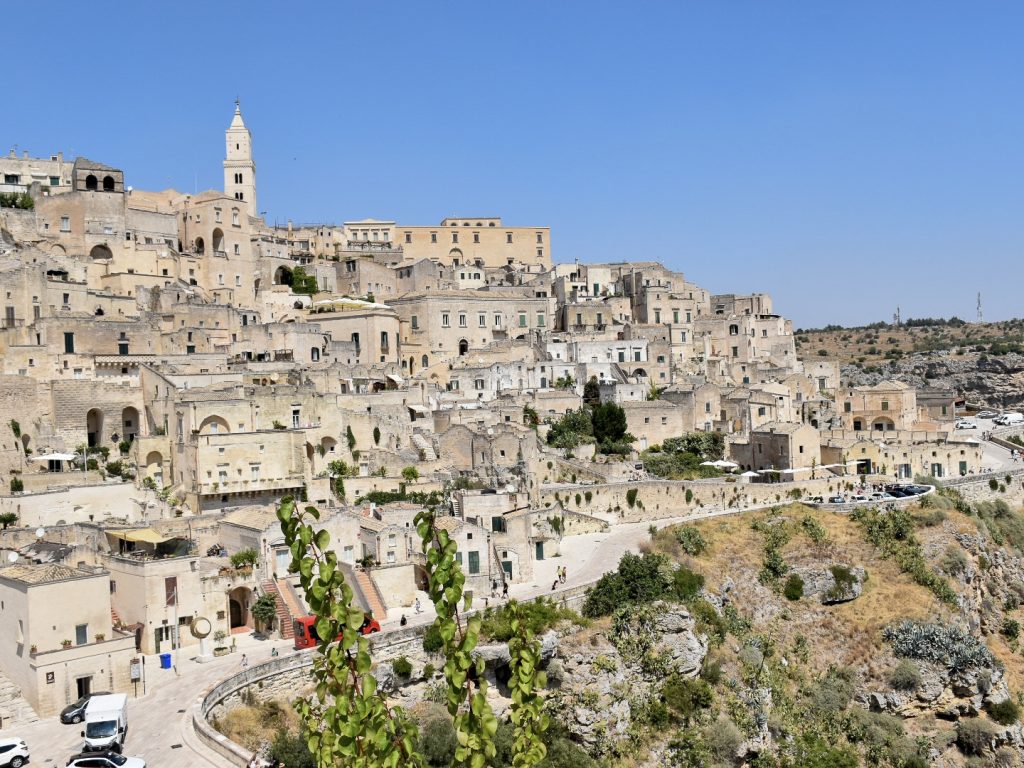
From the Colosseum and the Vatican to the canals of Venice and the trulli of Puglia.

Amsterdam with teenagers, tulip fields in bloom, windmills and the cheese market at Alkmaar.

A winter city break in Tromsø, chasing the northern lights and sailing the fjords in the snow.

Warsaw or Krakow? A city break in each, and our help deciding which one is right for you.
