Quokka on Rottnest Island Without Bike

Rottnest Island Without A Bike: A Slower Day Trip From Perth

Rottnest Island (Wadjemup) is almost always sold as a cycling destination. Tour companies like GetYourGuide and local operators (SeaLink, Rottnest Express) often push a singular vision; hire a bike, loop the 22km island, and tick off all 63 beaches at speed. 

But, what if you don’t want a bike?

Whether it’s the intense Western Australian heat, a lack of cycling confidence, traveling solo, or -as was my case–carrying expensive, heavy camera gear that doesn’t mix well with midday sun and hills. Going bike free isn’t just a good idea, it is a brilliant, lower stress way to experience the island. 

This guide shows you how to master Rottnest using ferries, walking trails, and the island bus system to support your energy rather than fighting it.

Table of Contents

Your Rottnest Island without a bike itinerary

Time Activity Location / Notes
08:30 AM Depart Perth CBD 9:00 AM if departing from Fremantle
09:05 AM Arrival (Fremantle Ferry) Arrive at Thomson Bay; Walk to The Basin & Bathurst Lighthouse
10:30 AM Arrival (Perth Ferry) Arrive at Thomson Bay; Coffee and a treat from the Bakery
11:15 AM Island Tour Board the Bayseeker Island Bus Tour
01:00 PM Lunch The Settlement
02:00 PM History & Culture Visit The Quod and Wadjemup Museum
03:00 PM Sightseeing Explore the Salt Lakes and Vlamingh Lookout
04:30 PM Departure Board the ferry for the return trip

Top Tip:

Book lunch or dinner in advance during peak season (December to March), as the popular spots fill quickly.

Is a bike actually right for you?

One of the first questions in the Platinum Travel Planning Roadmap is; who is this trip really for?

Rottnest is roughly 19 square kilometers of undulating limestone tracks. While fit cyclists can loop the island in a few hours, the mid-day sun and steep inclines make it a genuine workout. A bike-heavy itinerary may actually ruin your day if you are:

If you are wondering what the active version is like, check out this blog Lucy wrote on her Perth Adventure where she tackled the island on two wheels: 

But for those who want a slower pace, read on…

1. The Journey: Getting your “Queens” right

Freemantle ferry terminal to Rottnest Island

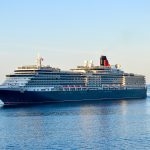
Most visitors travel to Rottnest by ferry from either Elizabeth Quay (Perth CBD) or Victoria Quay (Freemantle). In a classic travel blunder, I got my British Queens mixed up!

My GetYourGuide tour was booked for the 8:30AM departure from Perth CBD, but I accidentally went to Fremantle instead. I arrived at the terminal feeling frantic, but the staff at SeaLink in Fremantle were incredibly accommodating and rebooked me onto their 9:00AM ferry. This mistake actually showed me an interesting revelation:

The crossing is only 35 minutes. It’s direct and much better if you suffer from sea sickness.

The journey is 90 minutes. It includes a scenic cruise down the Swan River, but it eats into your island time.

If you travel from the CBD, the return journey usually leaves at 4:30 PM, giving you a solid day. But by choosing Fremantle, the return journey ships off at 4:00 PM, giving you an extra hour on the island.

Powered by GetYourGuide

This is the Rottnest Island Day Trip, and is the actual activity I used. It bundles your ferry transfers with the Bayseeker bus tour, taking the guesswork out of your morning. It’s the ultimate low stress entry point — well recommended!

2. Understanding the bus system: tour vs transport

See Wadjemup Lighthouse without a bike

To master Rottnest without a bike, you need to understand that there are actually two different bus services provided by different operators, which can greatly improve your time on Rottnest Island.

Guided sightseeing tour (SeaLink & Rottnest Express)

This is what I used. These are 1.5 to 1.75 hour sightseeing tours where you stay on the bus while a guide provides commentary. It’s a cheat code to see the whole island perimeter – including the lighthouses and the Porpoise Bay Shipwreck, in air-conditioned comfort.

Operated by SeaLink (the ferry company).

Offered by Rottnest Express, providing a similar ferry + bus package.

Island explorer (Quokka Coaches)

This is the island’s public transport system, operated by Quokka Coaches. Unlike the tours, this is a Hop-on, Hop-off bus that circles the island all day. You use this if you want to be dropped at a specific, remote beach (like Ricey Beach, or Fish Hook Bay) and picked up later.

3. Exploring on foot: The meaning behind the landscape

Rottnest Island without a bike Pinky Beach

Personally, I am not a massive fan of sitting on beaches nor snorkeling, I would much prefer to wander off the beaten track. So, before and after the bus tour, I focused on walkable highlights near the Thomson Bay Settlement:

Stock up at the general store

Before walking, stop at the General Store on Somerville Drive (next to the famous Rottnest Bakery). I picked up electrolyte drinks and extra water. Don’t underestimate the WA sun – hydration is key to beating the afternoon slump or, more importantly, sun stroke.

The Basin walk

Bathurst Lighthouse Rottnest Island without bike

From the settlement, I followed a simple walking loop:

Vlamingh Lookout & The Salt Lakes

Vlamingh Lookout Rottnest Island without bike

In the afternoon, I walked to Vlamingh Lookout for panoramic views. This stunning and peaceful location was named after Williem de Valmingh, who landed on Rottnest island in the late 1690’s. From there, I wandered the path down to the road between the salt lakes. It felt like being on another planet, completely silent and visually striking.

Note: These salt lakes turn a vivid pink in February due to the high salinity!

Salt Lakes Rottnest Island without bike

Exploring Rottnest on foot also helped me focus on the complicated and somber history of Wadjemup:

The Aboriginal Prison & The Quad

While most people see Rottnest as a holiday playground, for the Noongar people, it is a place of deep mourning (Wadjemup means “place across the water where the spirits are”). 

Between 1838 and 1931, the island was used as a penal establishment for Aboriginal men and boys, many of whom were brought here in chains from all over Western Australia for crimes as minor as killing livestock on their own land.

When you walk through the Settlement, you will see a circular building known as The Quad. For decades, this was actually used as a tourist accommodation, but it was originally the prison where nearly 4,000 Aboriginal men were held in cramped, horrific conditions. As a walker, you can stop here and feel the weight of the silence (minus the building works). It is a stark contrast to the nearby cafes and holiday vibes.

Wadjemup Museum

Just a short walk from the jetty is the Wadjemup Museum. If you don’t have a bike to rush back to, I highly recommend spending 45 minutes here. It provides the necessary context for the island’s history, including the prison era and the fact the island holds the largest unmarked burial ground in Australia. Understanding this makes the beauty of the beaches feel more precious and the preservation of the island more important.

4. Quokka Spotting: The Slow Advantage

One of the best reasons to skip the bike and use the island’s bus system is the welfare of the quokkas themselves. While it is tempting to stick to the Thomson Bay Settlement where quokkas are easy to find, there is a heart breaking reason to head further afield.

The survival gap: Settlement vs wild

Our tour SeaLink tour guide told us, that there was a staggering difference in the health and longevity of quokkas depending on where they live:

Often live for only 3 to 4 years, because they live in high traffic areas, they have become tragically dependent on human interaction and, more dangerously, human food.

Quokka on Rottnest Island Without Bike

Can live for between 10 to 12 years, three times as long as their urban counterparts.

The quokkas in the main settlement have essentially become scavengers. Even though feeding them is strictly illegal, they have learned to rely on dropped scraps or treats from tourists. This human food causes devastating health issues like a lumpy jaw and malnutrition.

Using Quokka Coaches

By using the Quokka Coaches Hop on, Hop off bus, you can escape the junk food cycle of the Thompson Bay Settlement and see quokkas as they are meant to be; wild, healthy and thriving. When you take a bus to more remote stops, like Ricey Beach, Stark Bay, or the Wadjemup Lighthouse, you are entering their natural habitat. 

In the wild, they eat native succulents and shrubs, which provide the hydration and nutrients they need to reach that 12 year milestone. Instead of begging for scraps at a cafe table, you’ll see them foraging in the salt marshes or sleeping in the shade of the trees. 

And, since you aren’t rushing around on your bike, you can hop off at a quiet stop, find a shaded spot, and wait. Seeing a healthy, wild, smiling quokka emerge from the bush is a far more rewarding experience than seeing a depressed one under a restaurant chair.

5. Other no-bike experiences on Rottnest

When it comes to activities and experiences on Rottnest, the island isn’t short on them. You can even stay in one of the many accommodation options on the island. While, there aren’t any airbnb’s, there are plenty of options to choose from, including; bungalows, eco pods, and lodges.

Rottnest Island Skydiving & Ferry Package

The island has its own airfield, with regular island viewing flights. However, the best thing to do on Rottnest Island is to go skydiving. With this package, your ferry is included. The airfield is located just a 15 minute walk from the main jetty. You will have the option of either a 10,000 or 15,000 ft tandem sky dive. The island is definitely worth seeing from above!

Powered by GetYourGuide

Rottnest Island Luxury Seafood Cruise

Much like taking the hop-on, hop-off bus around the island, one of the easiest ways to see all of the island is by water. This 4 hour luxury cruise includes a 7 course seafood menu, crafted from locally caught produce.

Powered by GetYourGuide

Rottnest Island Scuba Diving Tour

Rottnest Island has 13 known shipwrecks around its coast, and an extensive amount of coral and limestone reefs, making it an ideal location for scuba diving. There is only one shipwreck (Porpoise Bay) which is visible from land, the rest are beneath the waves. 

In order to see a different side to Rottnest Island, then why not have a look beneath its ocean paradise?

Powered by GetYourGuide

Subscribe to my newsletter!

Stay up to date with my adventures & travels across the world.

Leave a reply


Subscribe to my newsletter!

Stay up to date with my adventures & travels across the world.