★★★★★ Rated 4.5 out of 5
★★★★★ Rated 4.5 out of 5
The Northern Lights, Arctic fjords, the Polar Night and some of the cosiest cafés in Europe.
Here is when to go, how long to give it, and where to start.
Most people picture Norway as a summer trip to the western fjords. But north of the Arctic Circle, winter is the season, and a few days in Tromsø can give you the Northern Lights, snowy fjords and a city that glows in the dark.
Lucy went to Tromsø in January with our university-age daughter, flying direct from Manchester for a winter city break planned around the Northern Lights. They saw them on a tour with a photographer as their guide, spent a day on the fjords of Kvaløya and Sommarøy, and fell for the pink Polar Night light, the cardamom buns and the hygge of a city lit up in white. The most useful thing Norway taught us is that the weather decides your days, so book the big tours early and keep the plan flexible.
In short: The best time to visit Norway depends on what you want. For the Northern Lights and the Arctic in snow, go to the north between late September and March. For the fjords, long days and the midnight sun, go between June and August. This page covers when to go, how long to give it and where to start, beginning with Tromsø.
We write about the places we have actually been, in the depth we would want if we were planning it ourselves. So far that means Tromsø in the Arctic north, and the Northern Lights and fjords around it. The other places to visit in Norway, from Oslo and Bergen to the western fjords, the Lofoten Islands and the North Cape, will have to wait for another trip.

The Gateway to the Arctic, a small, arty city on an island ringed by snowy mountains, with the Arctic Cathedral, a cable car to a view over the whole town, and harbour saunas with a dip in the sea. In the Polar Night, the whole city is lit with white lights, and the cafés are as cosy as they come.
Start with: Our 3-day Tromsø itinerary

Tromsø sits under the Aurora oval, which makes it one of the best places in the world to see the Northern Lights. On a tour with a photographer as our guide, we watched the Aurora grow from a faint green tower into arcs, drapes and rays, with two reindeer for company and a campfire to finish.
Also try: What to wear in Tromsø in winter

Cross the bridge west from Tromsø and you are among the Arctic fjords. A day tour took us around the island of Kvaløya, past Ersfjord and the white sand at Sandneshamn, to the fishing village of Sommarøy, with its red cabins on stilts, all in the pink light of a January morning.
New places are added as we travel them. Every part of Norway we write up gets its own card and its own guides on this page. The newsletter at the bottom is the way to hear first when a new one lands.
This is the question that decides the trip, and Norway gives two very different answers. It is a long country, stretching far into the Arctic, so the light changes more through the year than almost anywhere in Europe, from the midnight sun in summer to weeks without sunrise in the far north in winter.
For the Northern Lights, go north between late September and March. The nights are long and dark enough to see the Aurora, and the Polar Night, from late November to mid-January, has the darkest skies of all. For the fjords, hiking and road trips, go between June and August, when the days are long, the mountain roads are open and the far north has the midnight sun.
Our trip was in the second week of January, in the Polar Night. The sun did not rise, but from mid-morning to early afternoon we had a moody blue twilight, then a pastel pink glow on the horizon. It was cold, a few degrees below freezing in town and much colder on the Northern Lights tour, but dry and still. The Gulf Stream keeps the coast milder than you would expect this far north, and the south of the country is a different place again.
Mar to May
March is still Northern Lights season in the north, with longer days and plenty of snow for husky sledding. By May the south is green and the fjord country is waking up, though some mountain roads stay closed until early summer.
Jun to Aug
The season for the western fjords, hiking and road trips, with very long days and the midnight sun in the north, roughly from late May to late July. There are no Northern Lights in summer, because it never gets dark enough.
Sep to Nov
The Northern Lights season starts again in the north from late September, with autumn colour in the valleys. By November the days are short and the Polar Night is close in Tromsø, and it can be wet and windy along the coast.
Dec to Feb
When we went. The Polar Night in the north, with the darkest skies for the Aurora, snow, husky sledding and cities lit with white lights. It is cold, so dress properly, and book the popular tours early.

The Northern Lights are the reason most people visit Norway in winter, and the best time to see the Northern Lights in Norway is from late September to March, when the nights are long and dark. You need to be in the north, under the Aurora oval, so the usual bases are Tromsø, the Lofoten Islands, Senja and Alta, rather than Oslo or Bergen.
We chose Tromsø because it is easy to reach from the UK, and because a city base means you can chase the lights at night and still have plenty to do by day. Our guide to what to expect on a Tromsø Northern Lights tour covers how the tours work and how to photograph the lights.
This is the trap in a lot of Northern Lights plans. Nothing is guaranteed. Cloud can hide the Aurora for days, and solar activity comes and goes. Stay at least three nights, book your Northern Lights tour for the first one so you have spare nights to rebook, and treat any sighting as a bonus.
If the Northern Lights are the point, go to the Arctic north between late November and February, and accept the cold. If you want the fjords, hiking and the midnight sun, go in June, July or August and book early, because summer is when most visitors come.
Whenever you go, pack for changeable weather. In winter that means proper layers, waterproof boots, a hat and gloves, and our guide to what to wear in Tromsø in winter covers it all. In summer, bring a waterproof and a warm layer, even in July.
Our tip
Book a window seat on the left-hand side of the plane for an evening flight into Tromsø. Our daughter saw the Northern Lights out of the window as we came in to land.
Longer than you think if you want to see more than one region. Norway is very long, and the distances between the north and the south are huge, so most trips pick one part of the country and do it properly.
The mistake is the trip that tries to fit in the western fjords and the Northern Lights. They are in different parts of the country and at their best in different seasons, and getting between them takes a flight or days on the road.
Our Norway trip was a direct flight from Manchester to Tromsø, three nights in a hotel on the harbour, no hire car, and guided tours for the Northern Lights and the fjords. That is the shape of a winter trip to the Arctic that works. Our full guides are below.
The practical things we wish someone had told us.
From the UK, flying is the easy option. There are direct flights to Oslo and Bergen all year, and in winter there are direct flights from several UK airports to Tromsø too. Routes change from season to season, so check what flies from your nearest airport. Within Norway, the distances are big enough that domestic flights are often the quickest way to get between regions.
Norway is not in the EU, but it is in the Schengen area, so the entry rules are the same as for most of Europe. If you are travelling from outside the EU, check the entry rules before you book, as they are changing. It is covered in the FAQ below.
We flew direct from Manchester to Tromsø, and the airport is only about 15 minutes from the centre, with taxis waiting even late at night. Our guide to a Tromsø winter city break covers flights, hotels and getting around.
In summer, Norway is one of the great road trip countries. In winter, in the Arctic north, we would not drive at all. On our fjords tour we passed six hire cars stranded in ditches. If you do drive, know the rules before you set off.

One of us lives with a severe nut allergy, so this is something we check for every country. Norway is not in the EU, but as part of the European Economic Area it follows the same food labelling rules, so the 14 main allergens, including peanuts, tree nuts and sesame, have to be declared on packaged food, and restaurants and cafés must be able to tell you which allergens are in their dishes.
The bakery is the one to watch in Norway. Almond paste and marzipan turn up in cakes and pastries, kransekake, the tower cake at celebrations, is made from almonds, and sesame sits on a lot of bread. Staff almost everywhere speak excellent English, which makes the conversation easier, but tell the restaurant about the allergy when you book. Our Danish allergy translation card is readable across much of Scandinavia, and our allergy travel resources have more of what we have learnt.
The things worth sorting before you travel, because they sell out. We book through GetYourGuide where it makes sense.
The first two were highlights of our trip. The Arctic Breeze Northern Lights tour with photos found the Aurora for us and sent us home with professional photos, and the Sommarøy and Kvaløya Arctic fjords tour with Aurora 7 showed us the landscape by day. Husky tours sell out first, and they were full on our dates, so the Tromsø guided husky sledding tour, where a musher drives and you ride, is on our list for next time.
No. Norway is not a member of the European Union, but it is part of the European Economic Area and the Schengen area. That means the border rules are the same as for most of Europe, and much EU law applies, including the food allergen labelling rules. Norway keeps its own currency, the krone.
The Norwegian krone (NOK), not the euro. Norway is one of the most cashless countries in Europe, and cards and contactless are accepted almost everywhere, from cafés to buses and hot dog kiosks. We took a little cash to Tromsø and didn’t need it. Some shops no longer take cash at all.
Not for a holiday if you hold a UK, US, Canadian or Australian passport. Norway is in the Schengen area, where visitors from those countries can stay for up to 90 days in any 180 days without a visa. The EU Entry/Exit System now records non-EU travellers’ fingerprints and photo at the border the first time they enter, so allow extra time at passport control. An ETIAS travel authorisation is also being introduced, so check the official advice before you book. UK passports must be less than ten years old on the day you arrive and valid for at least three months after the day you plan to leave.
Yes, Norway is one of the most expensive countries in Europe, especially for eating out, alcohol and tours. Lunch is better value than dinner, food trucks and hot dog kiosks are cheap and good, public buses cost far less than tourist shuttles, and choosing your tours carefully makes the biggest difference. Visitors from outside the EU can also claim VAT back on bigger purchases.
Norway uses the standard European two-pin plugs, types C and F, at 230 volts. UK visitors need a travel adaptor. Most phone and laptop chargers work at 230 volts, but US visitors should check their devices before plugging them in.
Tipping is not expected in Norway, because service is included in prices and staff are paid a proper wage. Rounding up the bill or leaving a little extra for good service in a restaurant is appreciated, but it is entirely up to you. There is no need to tip in cafés, taxis or bars.

Vienna in winter, from the Christmas markets to a self-guided walk around the Old Town.

Dubrovnik’s city walls and Old Town, island boat trips along the Dalmatian coast and five days in Split.


Berlin’s Wall and Bowie’s old haunts, a Hamburg city break and a day trip to medieval Lübeck.

Athens and the Acropolis, a street food tour through Psyrri and how to see the city before your cruise sets sail.
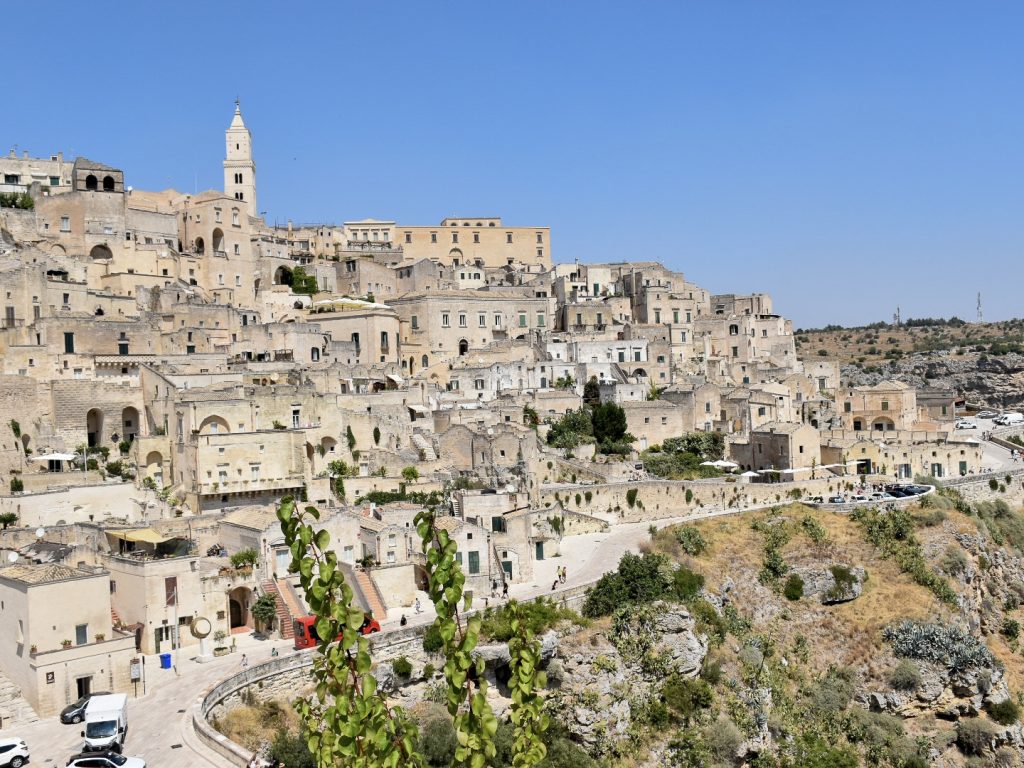
From the Colosseum and the Vatican to the canals of Venice and the trulli of Puglia.

Amsterdam with teenagers, tulip fields in bloom, windmills and the cheese market at Alkmaar.

Warsaw or Krakow? A city break in each, and our help deciding which one is right for you.
