Travelling With Young Adults: How To Plan Trips That Work For Adult Children

Travelling with young adults is one of the most enjoyable – and occasionally complicated – stages of family life.

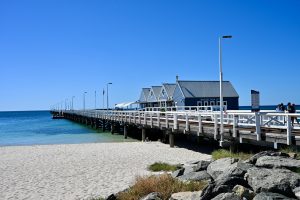
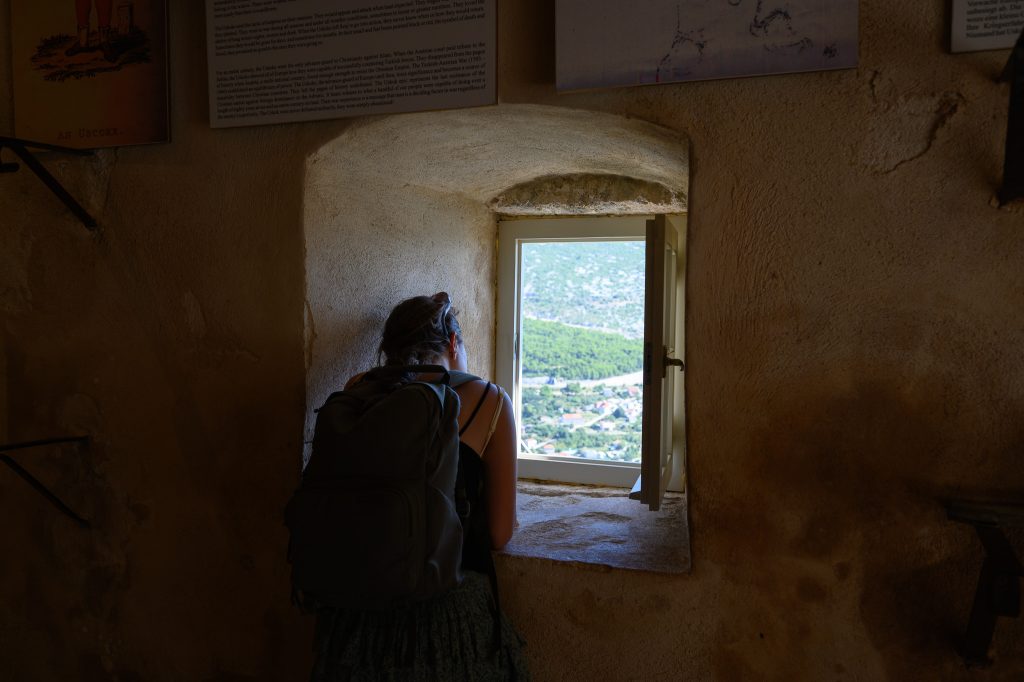
Travelling as young adults in Croatia

Travelling With Young Adults: How To Plan Trips That Work For Adult Children

Travelling with young adults is one of the most enjoyable – and occasionally complicated – stages of family life.

Travelling as young adults in Croatia

Your children are no longer children. They have their own schedules, budgets, work commitments and increasingly busy lives. One might be at university, another starting their first job, and someone else already juggling a career and annual leave. 

Yet interestingly, family travel matters more than ever. Even as everyone starts to organise their own travel, it’s still nice to try and have some travel time together as a family, if logistically possible.

At Love Travel Planning, we are currently in this stage, while also experiencing life as empty nesters. Instead of managing children, we are sometimes travelling alongside young adults. The conversations are different, the pace is different, and everyone brings their own ideas to the trip. But, it does require a small shift in how you plan.

Our travelling with adult children blogs

Check out these blogs below to see our latest travelling with adult children blogs:

Why the “family holiday” needs a rethink

When children are younger, family holidays tend to follow a familiar pattern. Parents choose the destination, organise the logistics and everyone follows along. That approach works well when the children are small. With young adults, it tends to work much less.

This stage can feel slightly unpredictable. As some of your children will be keen to come away, others might want to but can’t get the time off, and others may already have plans that don’t quite line up with yours. We’ve definitely had trips where not everyone could make it – and while that’s never ideal, it’s simply part of this stage of life.

The upside is that, as empty nesters, you’re no longer tied to school holidays. Travelling in off-season periods often makes trips more affordable, less crowded and in many ways more enjoyable. 

At Love Travel Planning we tend to separate travelling with young adults from travelling with teenagers for one key reason – independence. By this stage, your children have started building their lives on their own. Whether that’s university, work, moving out, or travelling independently, they’ve experienced a level of freedom that naturally changes how family trips feel.

When it comes to planning, you’ll usually find your children fall into one of two camps:

  1. Those who want to be involved in planning.
  2. And, those who are happy for you to take the lead.

You’ll know your own family best – and somewhere in between usually works well.

Timing: often the hardest part

When children are younger, planning is largely dictated by school holidays. With young adults, timing becomes far more complicated.  University terms, internships, apprenticeships, new jobs and limited annual leave all come into play. We’ve found that simply finding dates that work for everyone can sometimes be the hardest part of the entire trip. Planning early makes all the difference. Often it starts with a simple conversation months in advance – just to get a rough idea of when everyone might realistically be free. Interestingly, shorter trips tend to work really well at this stage. A four-day city break is often far easier to organise than trying to coordinate a full two week holiday. In the past, we have used web tools like Xoyondo to find shared dates digitally, and instantly, meaning we aren’t having to rely on WhatsApp messages.

Dealing with different budgets

Another reality of travelling with young adults is that everyone may be in a completely different financial position. One child might be a student watching every pound, while another might already be earning. Parents, of course, are in a different position again.

We’ve found that being open about costs early on avoids any awkwardness later. Sometimes parents choose to cover certain elements, like, accommodation, flights or a few meals, while everyone pays for their own extras. Other families prefer to split things more evenly. There’s no right answer here.

The important thing is that expectations are clear from the start. And, it’s worth remembering, fair doesn’t always mean identical. 

To make sharing of money easier, and not fall victim to high travel conversion rates, we would recommend choosing a current account with a brand like Monzo or Starling.

Space makes everything easier

If there’s one thing that makes travelling with adult children easier, it’s space. Giving everyone a bit of privacy makes the entire trip feel more relaxed. Villas or larger apartments work particularly well. 

They offer a shared space — somewhere together for breakfast or evening drinks, but also allow people to retreat to their own room when they need a bit of quiet time. We’ve found those shared spaces often become the heart of the trip, especially in the evenings when everyone naturally drifts back together.

If you’re heading somewhere warm, outdoor space makes a huge difference too. A pool, a terrace, a barbecue area — add a bit of music and you’ve got the perfect setting for those relaxed evenings that end up being the highlight of the trip.

A more relaxed approach to itineraries

When travelling with young adults, rigid schedules rarely work. Instead of planning every hour, we’ve found it works better to plan a few shared moments and let the rest of the day unfold naturally.

That might be a morning activity together, a restaurant booked in the evening. In between, people can do their own thing. One person might explore museums, another might hunt down cafes, and someone else might simply enjoy a bit of sunbathing to start the day. Giving people that flexibility often makes the time spent together feel far more enjoyable.

What might that look like?

  1. Morning: Everyone goes out to do the activity for the day before it gets too hot.
  2. Afternoon: Back to the accommodation to do their own thing, sunbathe, read, do some work etc.
  3. Evening: Everyone meets back up to go for a meal, or make a shared meal & talk about the day.

Our family tends to get up early in the morning and go exploring, before having a slump during the midday sun & afternoon. You will just need to change this plan per day according to your own family.

Trip styles that work well with adult families

There are certain trip styles we tend to lean into more now our children are older, and even taken up their own hobbies…

City breaks

Cities work really well because they offer variety. Everyone can explore their own interests during the day and then meet up later for dinner or drinks.

In 2025, we travelled to Croatia and spent time together in Dubrovnik. Our eldest, who has a real interest in Roman and Medieval history (and a soft spot for Game of Thrones), absolutely loved exploring the city and doing tours.

From there, the trip evolved quite naturally. The children actually went off on their own to Split – their first foreign independent trip together – where they had to manage their own budgets and plans. It was a big step for them, and quite a proud moment for us.

Villa holidays have always worked well for us, but even more so now. One trip that really stands out is Puglia. At the time, we had a mix of ages – some young adults and one still at school.

During the day we explored olive farms, UNESCO heritage towns, and local landmarks, but the evenings were what made the trip. Cooking together, music playing in the background, and everyone gathered around the pool — these are the moments you remember.

Road trips work really well with young adults because everyone can contribute along the way, be that through pass the remote, or finding spots for lunch.

We’ve had a few road trips where not everyone could make it. On one trip to Costa Rica, our eldest stayed behind due to university and some allergy concerns about flying. It wasn’t quite the same without him, but it was also a reminder that this stage of life doesn’t always allow everyone to be in the same place at once.

More recently, we travelled through the Canadian Badlands & Prairies with two of our children while another was backpacking through Australia. It was completely different again,, but still a brilliant experience.

Trips built around a shared activity often create some of the strongest memories. We experienced this in Croatia on an earlier trip, where we joined a multi-family adventure group. Over the course of the week, we went sea kayaking, cycling, hiking and even zip lining.

It pushed everyone slightly out of their comfort zone, in the best way possible, and brought a sense of shared experience to the trip.

Sunloungers by the pool, villa holiday in Puglia, Italy, travelling with adult children

Planning for different young adult life stages

One of the biggest differences when travelling with young adults is that everyone is no longer in the same stage of life. When children are younger, they tend to move through a similar pace — school, holidays, routines. Once they become adults, everything starts to spread out.

You might have one child at university, another working full-time, and another building a career with very limited time off. Sometimes this even overlaps with parents still having younger children at home, which adds another layer again – especially when school holidays still need to be considered.

It’s not always straightforward, and in some cases, it simply isn’t possible for everyone to come on the same trip. We’ve learned that this isn’t a failure of planning, it’s just the reality of this stage of family life.

Students (university & apprenticeships)

Students can sometimes look like they have loads of free time, but in reality, their availability still revolves around term dates, exams, coursework deadlines and placements.

For undergraduates, the academic year is relatively short (often around 30 weeks), which does leave stronger stretches outside of term. On paper, that can mean extended summers and a few weeks at Christmas and Easter — but those breaks are often taken up with revision, assignments, or dissertation work rather than true “holiday time”.

Postgraduate courses tend to be even less flexible. Many run across a full 12 months, with the summer period dedicated to dissertations, and only short breaks around Christmas or Easter.

Apprenticeships are slightly different again. While apprentices are entitled to at least 28 days of paid holiday, in reality that can still feel quite limited. Especially, early on when they’re settling into a role and less able to take extended time off. 

Alongside time, there’s also the question of budget. Students are often balancing loans and living costs, while apprentices are early, but usually on lower wages than full time roles. It’s something that naturally shapes how they approach travel.

From our experience, our kids as students are usually more than happy to come on trips, but it needs to work around both their availability and what they can realistically afford. 

We’ve found that giving plenty of notice makes a big difference, and planning in a way that allows them to keep costs manageable (even if that just means flexibility around activities or spending) makes it much easier for them to say yes.

First job (office, hospitality, warehouse, trades)

That first year or two of full time work can be one of the hardest times to plan around. Annual leave is limited, schedules can be less flexible, and there’s often a feeling of needing to prove yourself in a new role, whether that’s in an office, in a bar, on-site, or in a trade.

It’s most likely that your child will be on an entry level wage and, like the student category, will need to keep the holiday more affordable. We’ve noticed that shorter trips work particularly well at this stage. A long weekend or a well-timed break can feel much more achievable than a longer holiday.

Careers & limited annual leave

As careers develop, time often becomes the biggest constraint. Even if budgets improve, flexibility can become more restricted. Some roles come with fixed leave periods, busy seasons, or limited opportunities to step away.

This stage often shifts the focus of travel. Instead of longer, more complex trips, families sometimes prioritise quality time over quantity of time. A few days together can be just as valuable as a longer holiday — sometimes even more so.

Relationships - bringing a partner along

At some point, partners naturally become part of the conversation. This can change the dynamic of a trip quite quickly. 

For some families, it feels completely natural to include partners, we’ve had quite a few. For others, it can take a bit of adjustment — especially when you’re no longer travelling as just your immediate family.

We’ve found that keeping things relaxed helps. Being open to partners joining, without overcomplicating the planning, tends to make the experience feel more inclusive and enjoyable for everyone.

Your kids having kids

We haven’t quite reached the stage yet — but it’s something we’re aware will come in time. When that happens, the dynamic shifts again.

Family travel starts to include a new generation, and suddenly you’re back to planning around nap times, routines, and younger children once more, but from a very different perspective. It’s likely that trips become a blend of everything; young children, young adults, and grandparents, all travelling together.

When not everyone can come

This is one of the hardest adjustments. There will be times when one child, or more, simply can’t make the trip. Whether that’s due to work, study, finances, or life circumstances, it’s something most families experience at this stage.

We’ve had trips where not everyone could join, and while it never feels quite the same, it doesn’t mean the trip isn’t worthwhile. In many ways, it makes the time when everyone can be together feel even more special.

Travelling with adult children FAQs

Who pays for the holiday?

    • There’s no single right way to do this, as every family handles it slightly differently. In many cases, parents still end up covering at least part of the trip, especially if they want to make sure everyone can come regardless of where they are in life.

      From what we’ve seen (and experienced ourselves), it often falls into one of these approached:

      1. Parents cover everything: This tends to happen when the priority is simply getting everyone together, especially if some are still studying or early in their careers.
      2. Parents cover the big things: Things like accommodation and flights are paid for, while everyone covers their own meals, drinks and activities.
      3. Everyone contributes: More common when all children are working and in a position to pay their way.

      There’s no perfect model, the important thing is being clear about it from the start so no one feels awkward later on.

  • Most disagreements on trips don’t come from big problems, but from small frustrations that get pent up. Through our journeys, a few patterns began to develop:

    1. The first day of the trip can create a sense of displacement, as people are tired, adjusting and trying to find their rhythm (especially if there’s any jet lag). Let people be without trying to force too much too soon.
    2. It’s much easier to talk about budgets before you travel than during the trip.
    3. Not everyone has to do every activity. If someone wants to skip a museum and sit by the pool instead, it doesn’t need to be a big deal.
  • We are massive advocates for Get Your Guide, an online activity platform which operates in most countries. If you are struggling for activities, let your kids loose on the platform and let them decide what they want to do – if you’re not down to join in, you don’t have to!
  • This is always a slightly awkward question, but it’s a very normal one. Some families treat partners as guests and cover accommodation, while expecting them to pay for their own flights and spending.

    Others prefer everyone to contribute, especially if the partner is working and part of the trip in a more equal way. There’s no set rule, it’s simply about what feels fair for your family. The most important thing is to be clear at the time of inviting them. 

A swirl of green northern lights fills the centre of the frame against a dark blue night sky above a snow covered hill and rooftop viewing platform
Sign up to my 'Planet Travel' newsletter!

Every month I’m sending out either a full itinerary for a destination or some genuinely helpful packing guides – including downloadable PDF’s, accommodation recommendations and much more! Sign up for free below: