Travelling With Friends: How To Plan A Group Trip That Actually Works

If you finally manage to get it out of the group chat, travelling with close friends is one of the best things you can do, and also, one of the quickest ways to test a friendship.

Travelling with friends on the Barossa Wine Tour, Adelaide

Travelling With Friends: How To Plan A Group Trip That Actually Works

If you finally manage to get it out of the group chat, travelling with close friends is one of the best things you can do, and also, one of the quickest ways to test a friendship.

Travelling with friends on the Barossa Wine Tour, Adelaide

A good group trip can be some of the most fun you’ll ever have – shared experiences, inside jokes, late nights, and the kind of memories you talk about for years. But, if it’s not planned properly, it can just as easily lead to frustration, mismatched expectations and the odd disagreement. 

Group trips work best when they balance time together with time apart. You don’t need to do everything as a group. In fact, the best trips are usually the ones where people have the freedom to dip in and out, while still sharing the moments that matter.

A simple step by step plan for a successful group trip

We’ve been on plenty of group trips over the years, with friends, siblings and other couples, and while every trip is different, the planning process tends to follow a similar pattern to our Platinum Travel Planning Roadmap:

Step 1: Decide who’s coming

Start with the group and create a group chat early (WhatsApp or Messenger works best), and keep everything in one place. It makes planning easier and keeps everyone involved. But, you will notice that:

  • Some people are very active in the chat.
  • Some rarely reply.
  • And some will say “I’m easy” to everything. 

All of which is completely normal. Don’t let it slow things down – just keep things moving and make decisions based on the general direction of the group. Using polls in the chat is a simple way to narrow down options without endless back-and-forth.

Step 2: Agree on the vibe

This is one of the most important steps, and the one most people skip. Before you book anything, make sure everyone is roughly aligned on what kind of trip you’re planning..is it:

  • A relaxed beach break with cocktails?
  • An activity heavy weekend?
  • A city break with good food and nightlife?

Most issues on group trips come from mismatched expectations rather than bad planning. If your group has mixed preferences, that’s fine – just build flexibility into the plan so different people can enjoy different parts of the trip.

A quick way to define your group style:

Group style Best for Planning priority
The old friends reunion Catch-ups & nostalgia Large shared spaces (villa/apartment)
The active group Hiking, golf, skiing, watersports Hotels/AirBnbs close to activities
The celebration trip Birthdays, events, weddings, stag/hen-do's Pre-book key moments (restaurants, activities)
The couples' trip Social + downtime Private rooms are key
Multi-family trips Families travelling together Space, safety & child friendly accommodation
Multigenerational trips Parents, adult children, children, & grandparents Accessibility, pace & comfort for all ages
Friend city breaks Short trips with food, nightlife & culture Central location & flexible itinerary

Step 3: Find dates that actually work

Coordinating diaries is often the hardest part. We’ve found tools like Xoyondo really useful, as they allow everyone to input availability and quickly highlight the best option, try to:

  • Pick 2-3 realistic date options.
  • Avoid overcomplicating it.
  • Move forward once you have the clearest majority.

You’ll rarely get 100% perfect alignment, aim for what works best for the most people. Some people may even choose to come for part of the trip and not the full thing, especially if they can’t get the additional days off work – just make sure that you have big events, like the best restaurants booked for while they are there.

Step 4: Choose the destination

Once you have the group, the vibe, and the dates, the destination becomes much easier to decide. Often people will suggest ideas early on, but it’s worth visiting them once availability is confirmed. A place that sounds great in theory might not work for a specific weekend. You should focus on the ease of travel, your budget fit, and how well it matches the vibe you agreed to. 

It’s also worth remembering that your “destination” doesn’t need to be a specific place straight away. For example, someone might suggest Italy early on, which is a great starting point, but that doesn’t mean you’ve decided where you’re actually going yet. Italy could be:

  • A city break in Rome.
  • A villa stay in Puglia.
  • A coastal trip along the Amalfi Coast.
  • Or, even northern lakes escape.

When you actually go will depend on the time of year, the group’s budget, and the type of trip you’re planning. That’s why getting the Who and the What (the vibe) right first makes everything else much easier.

What doesn’t work in practice

Picking a destination before agreeing the vibe

You get your mind set on a beautiful countryside cottage in rural France, then realise half the group expected nightlife, and fancy restaurants.

Travelling to Patagonia, which requires two flights, taking over 24 hours might sound like a once-in-a-lifetime adventure, until people start dropping out because it’s too much effort for a week’s trip.

A luxury hotel near Lake Como might excite a few people, while quietly putting others off committing. Tip – if there are lots of you, putting in for a luxury villa split, will be a lot cheaper than a mid tier hotel.

One person pushes hard for a destination, everyone else agrees in the chat – but enthusiasm isn’t really there. That’s when engagement drops later on.

What works much better

Start broad, the refine

Begin with a country or type of destination, then narrow it down once you know when you’re going and what suits the group.

If it’s a social trip, pick somewhere lively. If it’s a relaxed catch-up, choose somewhere quieter with space.

Direct flights and short transfers massively increase the chances of everyone committing.

The best destination is one that works for the entire group, not just the most exciting one on paper.

Step 5: Be clear about budget

If there’s one thing that can derail a group trip, it’s money. Be upfront early on. Talk about:

  • Accommodation budget.
  • Expected daily spend.
  • Big-ticket activities.

If it feels awkward, it’s usually because it hasn’t been said out loud yet. Some groups prefer to:

  • Split everything evenly.
  • Use apps like Splitwise & SettleUp.
  • Pay completely separately.
  • Create a shared “kitty” for things like taxis, drinks or groceries.

There’s no perfect system, just make sure everyone understands how it works before you go. The way we budget will ultimately depend on the other parties. Sometimes we will pay completely separately, building or utilising our Avios points, and, sometimes, we will split everything evenly.

Step 6: Book (once people commit)

Only book once people have confirmed they’re coming and paid any deposits, this avoids awkward situations later. 

Accommodation is usually the biggest decision, especially if people want different setups. Some prefer to book individually, while others are happy for one person to organise everything. Once that’s sorted, you can start booking activities, restaurants and transport. 

(And yes — if you’re collecting Avios points, this is where it adds up quickly!)

The 70/30 rule for group travel

If there’s one tip you remember when booking your days, it’s this:

Spend 70% of your time together, and leave 30% for flexibility. So, if you’re awake for a full 16 hours in one day. Spend roughly 11 hours with people and 5 without. This might mean, you have shared breakfasts & dinners, with one key activity per day, but free time in between. Ultimately, it means people get to rest/nap, explore on their own, or simply take a break. And, when you come back together, there’s more to talk about.

Step 7: Enjoy the trip (and don’t over control it)

Once you’re there, the goal shifts. This isn’t about running a military itinerary, it’s about enjoying the trip, and enjoying the company of others. A few things we’ve learned:

  • Plans will change.
  • People will have different energy levels.
  • Someone will overdo it one night and skip something the next day.

But, that’s all part of it. One thing we recommend is using an app like Journi to collect everyone’s photos in one place. It’s a really nice way to relive the trip afterwards, especially when everyone has taken pictures.

Our travelling with friends blogs:

Common questions about travelling with friends

How do you avoid arguments?
  • Most friction comes from people feeling like they don’t have space, or are overly tired. Building downtime into the trip, using the 70/30 rule, removes that pressure and keeps things relaxed.
  • There’s no single answer, and it depends on your group. Some split everything evenly, others pay individually. The important thing is agreeing upfront and keeping it simple.
  • Focus on shared experiences that don’t cost much, things like walks, beach time, or exploring a city. Then allow people to opt into more expensive activities if they want to.
  • This does happen. The best way to handle it is to agree on a simple approach beforehand – deposits are non-refundable, everyone has travel insurance and expectations are clear from the start.
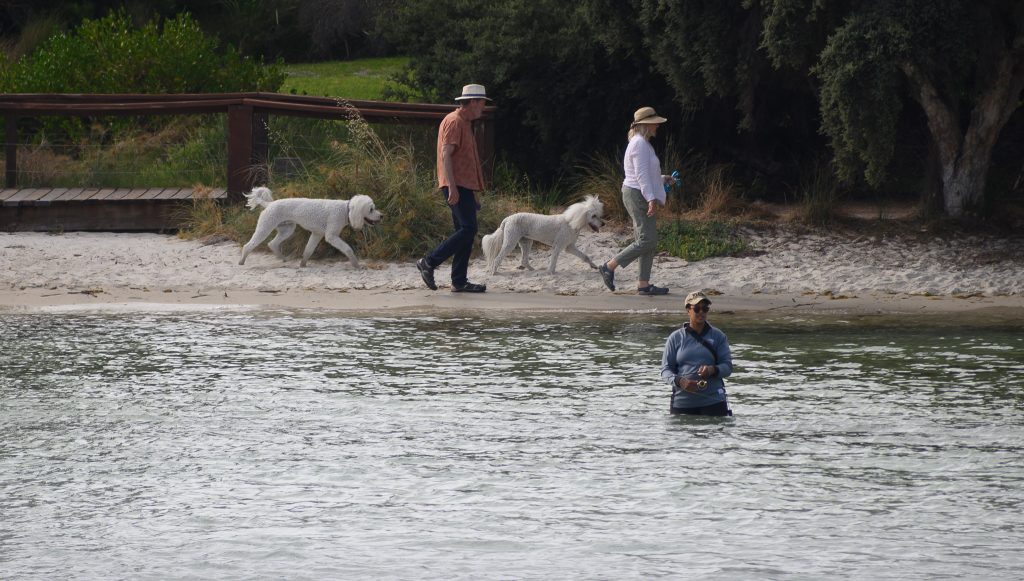
Friends travelling down beach on Swan River, WA
Sign up to my 'Planet Travel' newsletter!

Every month I’m sending out either a full itinerary for a destination or some genuinely helpful packing guides – including downloadable PDF’s, accommodation recommendations and much more! Sign up for free below: