Travelling with children: How to plan calm, enjoyable family trips

Practical, people-first travel planning for families travelling with children of all ages. Travelling with children is one of the most rewarding ways to explore the world, but it does change how you approach planning.

Mother possum travelling with children, Mount Gambia, Australia

Travelling with children: How to plan calm, enjoyable family trips

Practical, people-first travel planning for families travelling with children of all ages. Travelling with children is one of the most rewarding ways to explore the world, but it does change how you approach planning.

Mother possum travelling with children, Mount Gambia, Australia

At Love Travel Planning, we’ve travelled with our children through every stage of life. That started with our eldest’s very first trip to Alhambra in Spain, when he was not quite a year old. At that time we weren’t entirely sure if travelling with a baby was brave or slightly mad – but it worked.

Fast forward a couple of decades and those same children are now young adults travelling with us in completely different ways. What we’ve learnt through all that time is:

Family travel works best when you plan around children, not in spite of them.

This hub brings together our guidance on travelling with children and travelling with kids of different ages, helping families move away from surviving a trip and towards genuinely enjoying it.

Why travelling with children requires a different planning approach

Family travel isn’t just adult travel with a few extra snacks and Gruffalo suitcases. The rhythm of the trip changes completely. When children are involved, pace matters more than distance, and flexibility matters more than the perfect itinerary.

Over the years we’ve noticed that the most enjoyable family trips usually share a few common characteristics:

  • Fewer base changes: Moving hotels every two days is exhausting for everyone.
  • Built-in downtime: Our unofficial rule became one main activity a day.
  • Familiar routines: Something as simple as a consistent breakfast or bedtime can make children feel far more settled in a new place.

Some of our best travel memories with younger children actually came from the days where we did very little at all — perhaps a short walk in the morning, an ice cream somewhere scenic, and an afternoon spent playing in the park. Those slower days often ended up being everyone’s favourite.

Travelling with children in the Platinum Travel Planning Roadmap

Within our Platinum Travel Planning Roadmap, the Who sits right at the very top. We intentionally place travelling with children before you even open a map – because once kids are part of the travel group, every other decision becomes a variable of their needs.

This isn’t about limiting your options, it’s about filtering intelligently. When you define who you’re travelling with first, the rest of the planning process becomes simpler, calmer and far more realistic.

How travelling with children changes the decisions you make

Travelling with children naturally changes how you choose destinations. You can start filtering for places that are manageable and forgiving. Reliable transport, family-friendly accommodation, and climates that won’t exhaust younger travellers suddenly become far more important than whether a destination looks impressive on Instagram.

In other words, you stop asking “Is this place impressive?” and start asking “Will this place work for us?

Family travel also shifts how you spend money. Things that once felt options, like direct flights, slightly larger accommodation, or shorter transfer times, suddenly become incredibly valuable. 

Early on we learned that spending a little more on comfort and convenience often improves the whole trip far more than squeezing in another premium experience.

Timing becomes much less flexible once children are involved. School holidays, exam periods, and simple things like early bedtimes all play a role in shaping when travel works best.

Weather also matters more than it might for adults. What feels adventurous for grown-ups can feel overwhelming for a tried six-year-old in 35 degree heat.

Starting with the Who helps you avoid what we sometimes jokingly call “Spreadsheet Regret” — that moment when a trip looks perfect on paper but collapses in real life after a missed nap or one too many hotel changes.

Planning for different ages & stages

Children change quickly, and the way you travel with them changes too. Rather than rigid age brackets, we tend to think about how children move through the day, how much structure they need, and what helps them stay curious and engaged.

Understanding the stage you’re travelling in helps you plan ahead rather than constantly reacting once you’re already away.

The early years: Babies & toddlers

During the early years, successful travel revolves around routine and recovery. Young children feel far more secure when the day has predictable moments, especially when you’re somewhere unfamiliar. That usually means choosing destinations that are pram-friendly, planning days around nap times, and allowing afternoons to stay deliberately calm.

Late afternoons were often the danger zone for us – the time when everyone was a little tired and small problems suddenly felt much bigger. Keeping those hours relaxed usually made the entire evening easier.

From our experience, villa holidays work brilliantly during this stage, especially when grandparents join the trip. A little extra help in the evenings can make a surprising difference – even if it simply means enjoying a quiet glass of wine after bedtime.

The discovery years: Primary aged children

For many families, this is the golden age of travel. Primary-aged children are curious, enthusiastic and generally happy to explore. They enjoy experiences where they can touch, move and interact with the environment – things like wildlife parks, nature trails, castles or interactive museums.

At this stage, novelty is exciting, but overstimulation can still lead to tiredness. Trips tend to work best when each day has one clear highlight, balanced with plenty of time to rest or explore freely.

Travelling with mixed ages

Many families, including ours, travel with children at different stages. With eight years between our eldest and youngest, we often had to balance the needs of a younger child with the growing independence of an older one.

The key is creating shared anchor moments in the day — perhaps a meal or a single activity — while allowing some flexibility around them. Giving older children small decisions, such as choosing a cafe or picking a walking route, can make them feel much more invested in the trip.

Core principles of travelling with kids

Rather than relying on a single itinerary or destination, we tend to follow a few simple principles that work almost anywhere. These ideas help families make better decisions before they book,  which usually means far less stress once they’re travelling:

Pace beats productivity

One of the easiest traps in family travel is trying to “make the most of it”. With children, packing the day too tightly often has the opposite effect. Long days and rushed schedules usually lead to fatigue – and fatigue quickly leads to meltdowns.

Instead, we encourage families to:

  • Plan one main activity per day
  • Leave generous time around meals and travel
  • Treat anything extra as a bonus rather than an obligation

Seeing one place properly, with time to explore and rest, almost always creates better memories than rushing through five attractions in a day.

One strong base

Frequent hotel changes can be surprisingly draining when travelling with children. Packing, unpacking, navigating new layouts, and adjusting to different sleeping arrangements quickly adds up. 

That’s why we often recommend choosing one strong base, especially while children are younger. From that base you can take relaxed day trips while returning to familiar surroundings each evening. Children sleep better, and parents feel more relaxed too.

Accommodation as part of the experience

When travelling with children, accommodation is more than just somewhere to sleep. It’s often where everyone resets at the end of the day. 

Space quiet, and access to simple food options can make a huge difference. A kitchenette, a fridge, or a separate sleeping area often improves the trip far more than being in the absolute centre of town. After a long day exploring, the ability to spread out and relax is invaluable.

Structure enables spontaneity

It might sound strange, but structure is what often allows families to be spontaneous. Children cope much better with unfamiliar environments when key moments of the day are predictable. Simple anchors can include:

  • A familiar breakfast routine
  • A consistent afternoon rest window
  • A predictable evening wind-down

Once those anchors are in place, families often find they can say yes to unexpected opportunities – because children aren’t already running on empty.

Essential logistics for family travel

Beyond the philosophy, successful family travel often comes to how well the small practical details are handled. Trips rarely fall apart because of one major problem. More often, it’s a series of small frictions throughout the day. Thoughtful planning helps absorb those little stresses before they build up.

Flying with children

Flying with children can feel intimidating, especially the first time. In reality, most of the stress comes from uncertainty rather than the flight itself. Preparing for the key pressure points; security queue, ear pressure during take-off, or keeping children entertained during delays, usually makes the journey far easier.

Long-haul flights can work surprisingly well when expectations are realistic and the day is planned around rest, food, and small bursts of entertainment.

Road trips can be one of the most enjoyable ways to travel with children, particularly once they reach primary school age. The biggest mistake adults make is planning driving days around distance rather than attention spans, instead we recommend:

  • Realistic daily driving limits.
  • Regular stops before tiredness kicks in.
  • A mix of familiar and new snacks.
  • Entertainment that changes throughout the journey.

A well-planned road trip feels like part of the holiday rather than simply the journey between places.

Packing for kids is one area where families often swing between extremes – bringing far too much “just in case”, or forgetting the few items that genuinely matter. The middle ground usually works best, we focus on:

  • Versatile clothing layers rather than full outfits.
  • Comfort items that help children settle in.
  • Access-based thinking, bringing what’s difficult to buy locally and leaving the rest.

Packing lighter doesn’t mean being unprepared. It simply makes travel days smoother and removes a lot of unnecessary stress.

Make sure you check the following resources for applicable information:

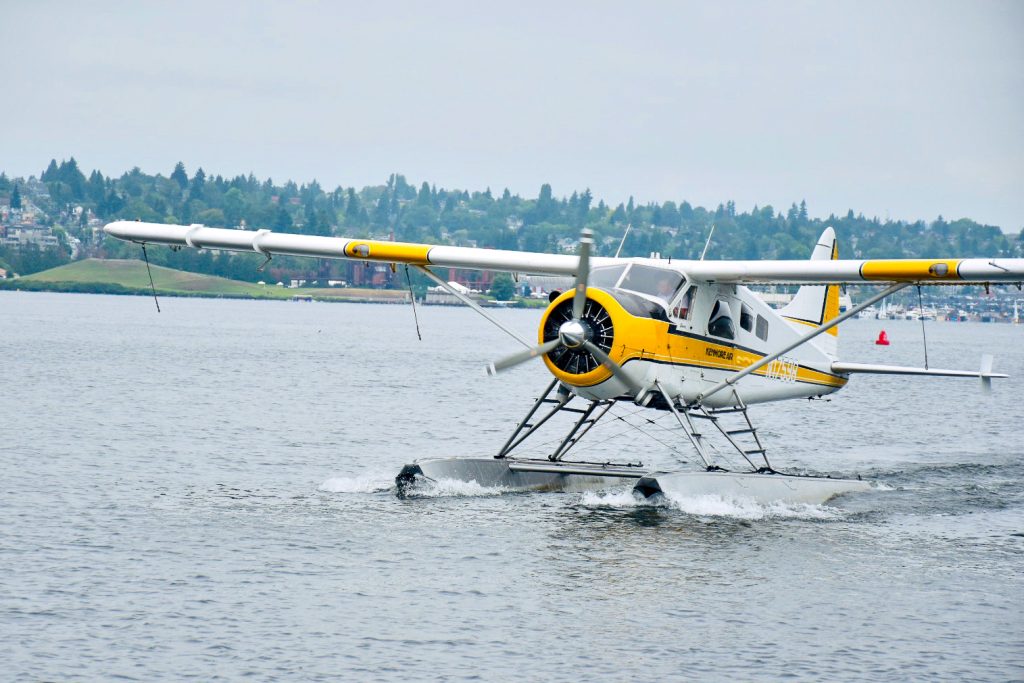
Yellow and white flat plane landing on a flay lake with grey sky behind. Row of green trees on the horizon

Our travelling with kids blogs

Check out these blogs below to see our latest travelling with children blogs:

Sign up to my 'Planet Travel' newsletter!

Every month I’m sending out either a full itinerary for a destination or some genuinely helpful packing guides – including downloadable PDF’s, accommodation recommendations and much more! Sign up for free below: