


The stunning city of Venice, Italy, is not without its problems, whether it’s the constant risk of flooding, water damage to its precious buildings, or the toll of over tourism in Venice due to the huge number of visitors who want to enjoy its treasures each year. As a result, it is important to be conscious of some of these factors before you travel to Venice, Italy.
Be prepared for the Acqua Alto in Venice
High tides – Venice is subject to high tides called Acqua Alto, which can cause some flooding in parts of the city. The city has regular high tides, which are influenced by the lunar cycles, and this link to lunar cycles is the reason you can have high tides throughout the summer months, just as much as the winter months.
Timetable – there is a timetable for the high tides, however, sometimes the weather can affect the Acqua Alto in Venice, creating even higher tides than normal, so the timetables are only a base guide. You can check the Venice tide forecasts at: www.tide-forecast.com
Siren – a siren is sounded to warn residents and visitors when the tides get very high. The siren can sound scary if you have not heard it before and are not expecting it, so try not to panic if it goes off when you are there.
Boardwalks – when the tides are high, boardwalks are erected across St Mark’s Square to help pedestrians move around. Advice for tourists is to stay indoors (or high up) until the waters subside, which often is within an hour or so. Locals simply put their wellies on and carry on with life, although as a tourist you are unlikely to have packed wellies in your luggage!
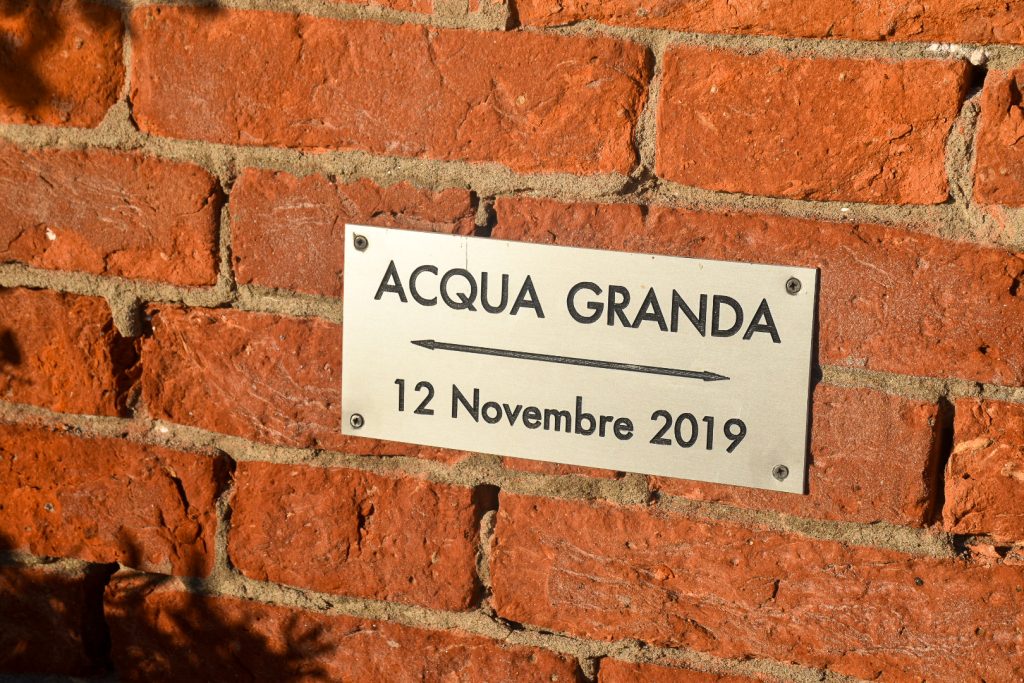
Note – although you might not be able to avoid getting your feet wet during an Acqua Alto in Venice, it is forbidden to go in the water in Venice. It is dirty and dangerous, so don’t be tempted to jump in, and take care not to fall in!
Think about how to visit Venice responsibly
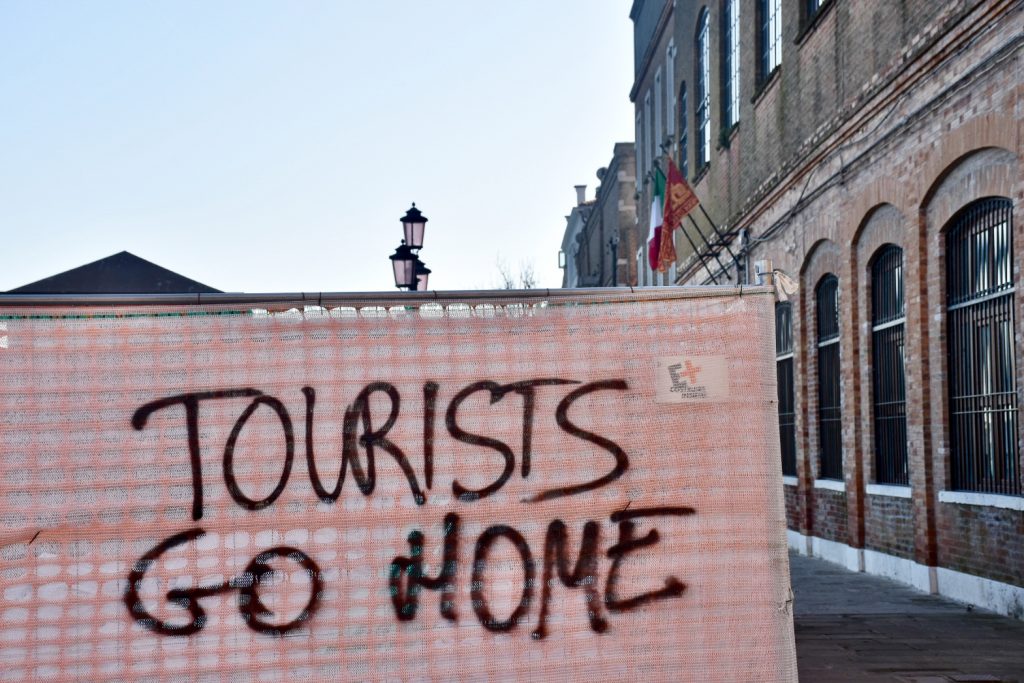
Venice is such a special place, but it exists in a delicate situation due to several factors, one of which is over-tourism. Whilst the city relies heavily on revenue from tourism, it also needs to manage the flow of tourists who visit, particularly the day-trippers and from large cruise ships. As a result, the city has introduced a day tourist tax on certain days of the year, for those not staying in the city and commuting in and out.
As I am writing a positive travel blog about Venice, then I am obviously encouraging you to visit, so I feel compelled to offer suggestions about how to manage the impact of your visit and visit Venice responsibly:
- Go for longer – a longer visit helps the city of Venice in several ways but primarily because you put more money into the local economy over the course of your visit. Staying for longer also gives you more time to get off the beaten track and away from the main sights, so that your visit is not restricted to the busiest and most congested parts of the city.
- Stay in the city – avoid staying on the mainland and travelling in/out for sightseeing. Try to stay centrally so that you are spending money directly in the city, and not adding to the traffic coming and going.
- Spend money in locally run shops and restaurants – you can check the credentials of restaurants online before booking and also check the provenance of objects before buying them. Look for artisan souvenirs and avoid buying cheap plastic souvenirs which are not made in Venice.
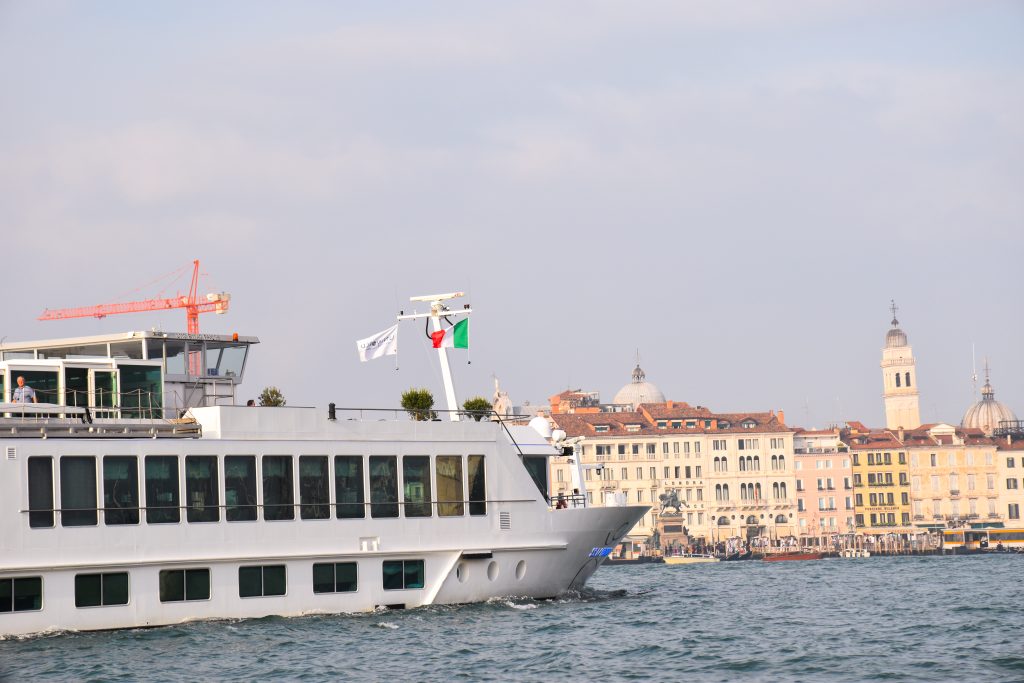
- Avoid visiting on a cruise ship – although the large ships are no longer allowed to travel down the Guidecca Canal right into the heart of Venice, the ships visiting the edges of the city still put a lot of strain on the delicate natural and built environment, causing pollution, and displacing water and sediment which contributes to the erosion of the foundations of the streets of Venice. They also discharge huge numbers of tourists each day who fill the city and main sights on day trips.
- Visit outside high season – try to visit Venice outside of the high season summer months, to help distribute the tourism more evenly across the year.
- Use reusable water bottles – to reduce the waste and plastic being generated.
- Follow the protocol for waste disposal – this might be different from what’s normal for you at home.
Use the cruise ship schedule to plan
You can find cruise ship schedules on-line, such as at Cruise Timetables, which allow you to check which days there are cruise ships in the city. The cruise ship schedules can be helpful when planning your itinerary, as you can work out when to avoid St Mark’s Square and its attractions – if it’s a cruise ship day, then the main areas are likely to be rammed.
For our 5-day stay, I consulted the cruise ship schedule and saw that there was one day with no cruise ships due in the city, so we chose this day to book the tours of the Doge’s Palace and St Mark’s Basilica, and, whilst it was still busy, it could have been a lot worse.
It’s worth noting that the city is much quieter in the evening once the majority of day-trippers have gone home and cruise ship visitors have returned to the ships. So, staying in Venice allows you to experience the city at night when the city has a different, more mysterious, feel to it.
Be respectful to the locals
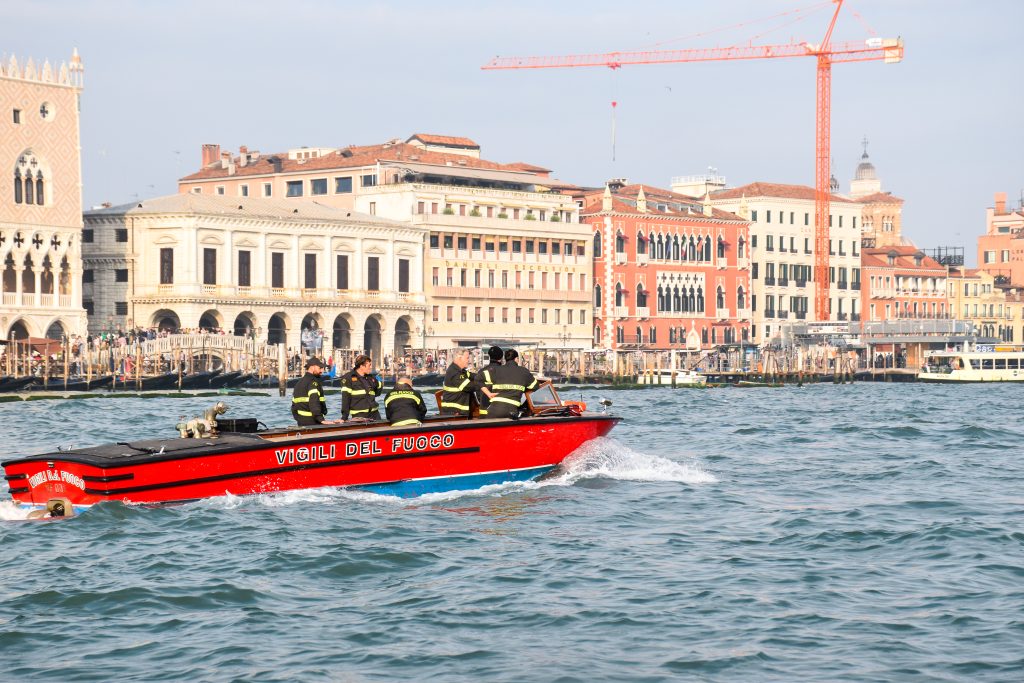
The Venetians were very welcoming on our visit, but their patience must be tested by the huge number of tourists in their city, particularly when they are trying to go about their everyday business and work. There are, however, a few ways in which you can be respectful of the locals, such as:
- Stand to the side – try not to stop in the middle of the narrow streets to take photographs, stand to the side so that the locals can pass and continue without disruption.
- Don’t sit down on the pavements (for the same reason as the point above) or you will be told off by locals seeing you as an obstacle.
- Cover up – if visiting one of the 148 churches in Venice to see Renaissance artwork (such as ‘the Frari’ in San Polo) or for religious reasons, remember to cover your shoulders, midriffs before you enter the church, and avoid wearing shorts above the knee.
Take your lead from the Venetians
To truly immerse yourself in the city, and add to the magic of your stay, try to adopt some Venetian ways during your trip, such as:
- Choose a Select – order a Select Spritz at aperitivo time instead of an Aperol, Campari or Limoncello Spritz. A Select is more of a local’s drink (but with the profile of an old man’s drink) – it tasted most like a Campari Spritz so less sweet than the other Spritz options.
- Don’t ask for a cappuccino after lunchtime – ask for a decaf, macchiato, or Cafe Corretto (expresso with a shot of grappa liqueur) instead!
- Visit the free Renaissance art in the churches – see quality and famous art in bite-size chunks in the churches throughout Venice, rather than spending hours in the galleries shuffling along with the crowds. Start with the abundance of art in ‘the Frari’ in San Polo.
- Stand up at the bar in cafes to drink your expressos and keep the cost down, as this is often cheaper than sitting at one of the tables, especially for those on St Mark’s Square, such as, Cafe Florian.
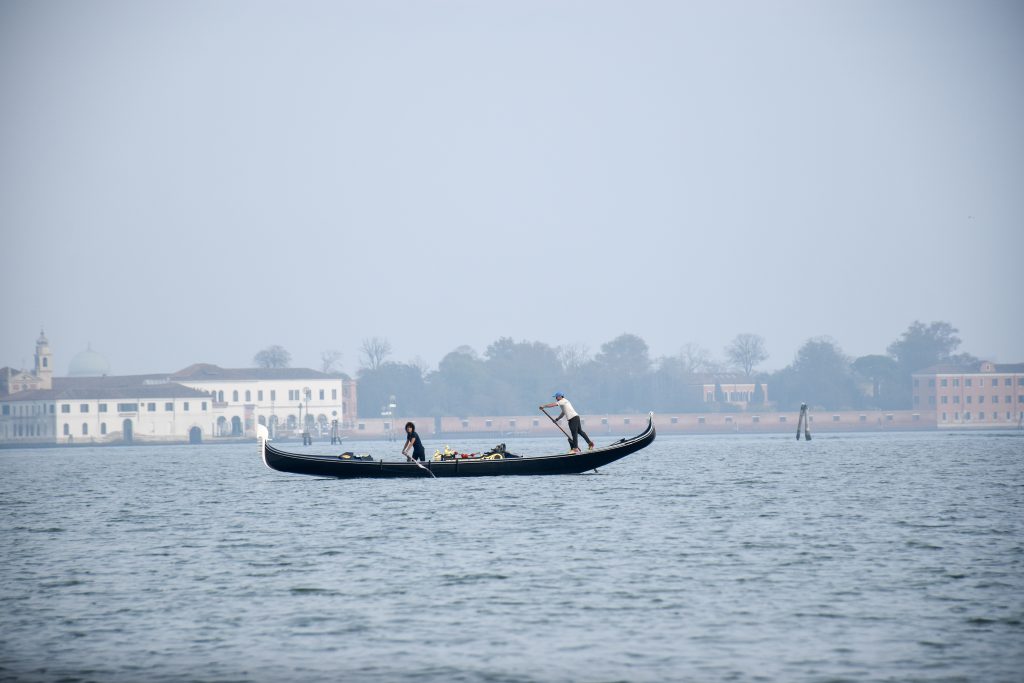
- Take the traghetto across the Grand Canal – traghetti (plural) are large gondolas which ferry local workers and visitors across the Grand Canal at certain times of the day. At about 2 Euros a trip, they are a cheaper way to experience a gondola ride than booking a gondola trip.
Ways to save in Venice, Italy
Venice can be an expensive city, but there are ways to keep the cost down when you visit, such as:
- Vaporetto Pass – buy a vaporetto pass for the time you will be in the city. Multi-day or multi-journey tickets work out as much cheaper than buying single tickets as you go.
- Venice City Pass – buy a Venice City Pass, or similar, which gives you free entry to some of the most important sights, as well as access to public transport, including the vaporettos. There are different versions of these passes, depending on what you need.
- Skip the line tickets – booking Skip the Line tickets really do help you to save time when visiting the popular attractions as they drastically cut down your queuing time.
- Eat well but cheaply – if you have a bigger lunch during your stay, then you can just top up with some cicchetti or a slice of pizza in the evening, or vice versa. There are some great options throughout the city to eat cheaply, just stay away from St Mark’s Square!
Things to beware of in Venice…
Pickpockets (and seagulls)
Our Venetian tour guide on the ghost walk told us that Venice is generally safe to walk around, even at night, and that the biggest concern is from pickpockets in the busy areas. Watch your belongings carefully, particularly in and around St Mark’s Square and the Rialto Bridge area.
You may notice signs around the city saying Attenzione ai gabbiani! informing you to beware of the seagulls. Whilst not criminals per sea, having had a piece of pizza stolen from our hands near St Mark’s Square, we can vouch for the need to pay attention to these kinds of thieves.
Sitting down on the pavement to eat
If you sit down to eat on the pavements, for example, picnic or snack as you are sightseeing, then you risk a steep fine of around 120 euros if caught. Look for a bench on a Fondamente or somewhere suitable, just not on the ground, or steps near a bridge etc, as tempting as it might be.
Tripping and slipping
Wear comfortable and sensible shoes to help you negotiate the uneven pavements and cobbles throughout the city whilst you are exploring. Walking in flip flops is a real hazard in this beautiful but old city.
Final thoughts…
Given all the recent publicity about over tourism in Venice, I had a crisis of conscience about visiting because of the need to preserve this special place, so we really did try to visit responsibly and limit the impact of our visit when we visited with our teenagers.
There is a balance to be struck between visiting Venice and letting the city benefit financially from your stay as a tourist, but not contributing to over-tourism any more than can be helped. Avoiding Venice is not the answer when the city relies on money from tourism, so all we can do is consider how we visit Venice and whether we are doing it as responsibly as we can.
Thank you so much for reading my blog, I hope you found it useful?
For more stories, itineraries, and advice, check out my Related Posts and sign up to receive my blogs by email.
If you have a blog-related question, please do ask in the Comments box and I’ll try to help…
Request please – if you use my photos, then please credit Love Travel Planning on your social media or give me a shout out on Instagram @lovetravelplanning as I am growing my website. Huge thanks.
Enjoy your travels!


Leave a reply
You must be logged in to post a comment.